Best Vacuum Sealer for Wild Game
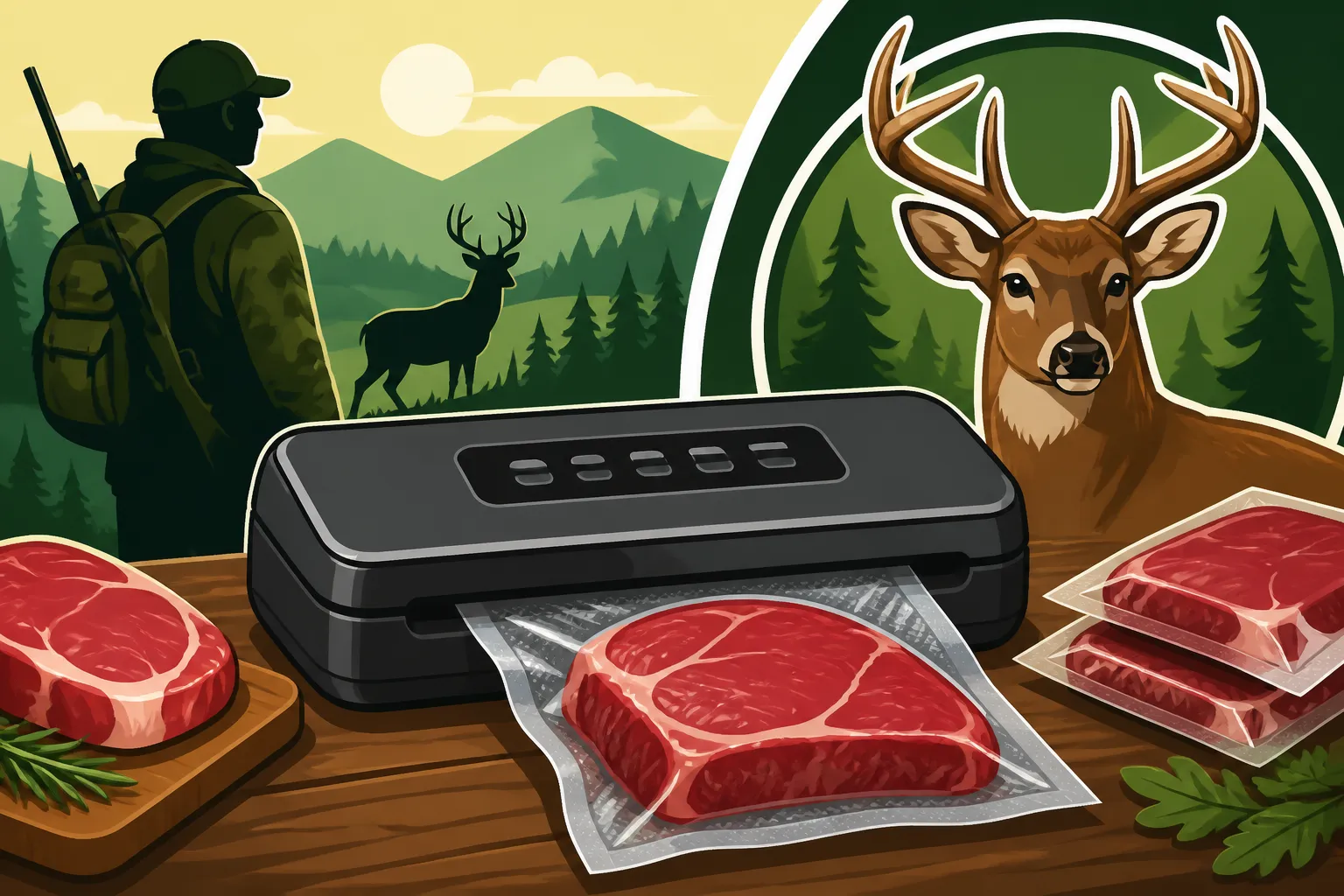
After pouring your heart and soul into scouting timber, enduring frigid waits in a treestand, or meticulously tracking an animal through the Green Mountains, the absolute last thing you want is for that hard-earned wild game meat to suffer from freezer burn or go to waste. It’s a gut-wrenching feeling to pull a package of venison or bear meat from the freezer only to find it gray, dry, and flavorless, effectively ruining hours of effort and a precious resource. This guide is dedicated to helping you choose the best vacuum sealer for wild game, ensuring every ounce of your harvest stays as fresh and delicious as the day it was processed.
Why Vacuum Sealing is Absolutely Essential for Wild Game
Think about all the effort that goes into harvesting a deer in Vermont's November Rifle Season or bringing down a moose in the Moose Hunting Vermont's Northeast Kingdom. From scouting to shot placement, field dressing, and hauling that meat out of the backcountry, it’s a monumental task. To then risk that meat spoiling or degrading in quality due to improper storage just doesn't make sense. That's where a high-quality vacuum sealer becomes an indispensable piece of your hunting gear.
The Problem with Traditional Storage Methods
For years, hunters relied on freezer paper, zip-top bags, or basic plastic wrap. And while these methods can work for short-term storage, they often fall short for the long haul. Air is the enemy of frozen meat. Even seemingly airtight containers can allow microscopic amounts of air to seep in, leading to oxidation. This process is what causes freezer burn – those dry, discolored patches on your meat that dramatically impact flavor and texture. It's not just about losing some flavor; it means sacrificing parts of your precious harvest, which feels like a profound waste.
Consider trying to store a substantial amount of meat from a successful Bear Hunting Vermont's Long September-to-November Season. Wrapping dozens of packages perfectly in freezer paper, trying to eliminate every air pocket, is a tedious and often ineffective task. With a vacuum sealer, you're not just wrapping; you're actively removing the air, creating a truly anaerobic environment that dramatically slows down spoilage and protects against freezer burn. It’s the difference between hoping your meat lasts and knowing it will.
The Science Behind Extended Freshness
A vacuum sealer works by removing nearly all the air from around your food item before sealing the bag shut. This process achieves a few critical things. First, it prevents the oxygen that causes freezer burn and spoilage from ever reaching the meat. No oxygen means no oxidation, no desiccation, and no breakdown of fats that lead to off-flavors. Second, by creating a tight seal, it stops moisture loss, keeping your meat juicy and tender. This is especially important for lean wild game like venison, which can dry out quickly if not properly protected.
For hunters who rely on their harvest to feed their families throughout the year, especially after a successful season chasing White-Tailed Deer Across Vermont, this extended freshness is a game-changer. It means you can confidently process your game after your hunt, knowing that it will be just as good six months or even a year later. This peace of mind allows you to focus on the hunt itself, rather than worrying about the race against time to consume your meat.
Key Features to Look for in a Wild Game Vacuum Sealer
When you're investing in a vacuum sealer specifically for wild game, you're not just buying a kitchen gadget. You're buying a tool that needs to handle tough jobs, often in less-than-ideal conditions, and preserve a significant amount of food. There are several critical features that differentiate a good everyday kitchen sealer from a great wild game workhorse.
Power and Suction Capability
Wild game often means larger cuts, sometimes irregularly shaped, and frequently processed in bulk right after the hunt. You need a sealer with a powerful pump that can quickly and efficiently evacuate air from larger bags, creating a strong, consistent vacuum every time. A weak pump will struggle with thicker bags or larger items, leading to incomplete seals and compromised freshness. Look for models designed for heavy-duty use, not just sealing leftovers. Many brands will tout their motor strength or vacuum pressure, and for good reason – it's the heart of the machine.
Imagine you've just spent a long day quartering a buck at camp after reading up on Butchering a Deer at Camp. You're tired, the kitchen (or camp shed) is probably a bit messy, and you have a mountain of meat to seal. A powerful, fast sealer will make this process so much more efficient and less frustrating. You don't want to babysit a slow machine, waiting for it to pull a decent vacuum on each bag.
Bag Roll Storage and Cutter
This might seem like a small detail, but it makes a huge difference in convenience and efficiency, especially when you're doing a big processing job. Most wild game processing involves cutting custom-sized bags from a roll. A built-in storage compartment for your bag roll, combined with an integrated slide cutter, allows you to measure, cut, and seal all with one unit. This streamlines the workflow, reduces clutter, and ensures straight, consistent cuts, which are crucial for good seals.
Trying to use scissors to cut bags from a roll, especially when your hands might be a little messy or cold, is a recipe for uneven edges and frustration. A good cutter built right into the machine is a simple feature that you'll appreciate every single time you use it. When you're processing a large quantity of meat, like from a Moose in Vermont's Northeast Kingdom, these efficiencies add up quickly.
Wet/Moist Sealing Functionality
Wild game, even after careful drying, often has residual moisture or blood, especially when processing fresh cuts. Many standard vacuum sealers struggle with moisture, as it can be drawn into the sealing area, preventing a proper heat seal. A dedicated "wet" or "moist" setting is crucial. These settings often engage the vacuum pump for a slightly shorter duration or have a drip tray to collect excess liquids, allowing the heat bar to create a strong, reliable seal without interference.
This feature is non-negotiable for wild game hunters. Without it, you'll find yourself constantly battling compromised seals and potentially having to re-seal packages, which wastes time and bags. Look for models that explicitly state they are designed to handle moist foods effectively. Some even have removable, washable drip trays, which makes cleanup much easier after handling raw meat.
Durability and Construction
A vacuum sealer for wild game needs to be tough. It will likely be used in environments less pristine than a home kitchen – think camp, garage, or even a utility shed. It needs a robust motor that can handle continuous use without overheating, and durable construction that can withstand being moved around and occasional bumps. Stainless steel components, heavy-duty latches, and high-quality plastics are good indicators of a durable machine. You're processing precious food, and you need a tool that won't quit on you midway through the job.
Consider the environment: after a cold hunt, perhaps you’re processing your White-Tailed Deer Across Vermont in a chilly garage. Your hands might be stiff, and you’ll want a machine that feels solid and reliable, not flimsy. Reliability is key when you have a lot of meat to process and little time. This is where researching brands known for commercial-grade quality, even if it's a home-use model, pays off.
Types of Vacuum Sealers: Chamber vs. External
When you start looking at vacuum sealers, you'll quickly notice there are two main categories: external (or edge) sealers and chamber sealers. Each has its pros and cons, and understanding the difference is key to choosing the right one for your specific wild game needs.
External Vacuum Sealers
External vacuum sealers are what most people picture when they think of a vacuum sealer. They are the more common and generally more affordable option. With an external sealer, you place the open end of a textured (or embossed) vacuum bag into a channel on the machine. The machine then pulls air out through the textured channels in the bag itself, and once the air is removed, a heating element seals the bag shut.
Pros for Wild Game Hunters:
- Cost-Effective: Typically much less expensive upfront than chamber sealers.
- Space-Saving: Generally more compact and easier to store in a camp kitchen or smaller utility room.
- Versatile: Can seal bags of almost any length, as long as the width fits the sealing bar.
- Good for Occasional Use: Perfect for hunters who might process one or two deer a season and want reliable, extended freshness.
Cons for Wild Game Hunters:
- Limited for Liquids/Moisture: While many have a "moist" setting, they still struggle more with significant liquids compared to chamber models, potentially leading to incomplete seals if not careful with preparation. This is a common frustration when dealing with fresh game that still has some blood or marinade.
- Bag Cost: Requires specific textured vacuum bags, which can be more expensive than the smooth bags used by chamber sealers, especially if you're sealing a lot of meat.
- Duty Cycle: Can sometimes overheat if used for very long, continuous periods, requiring cool-down time. This can be a pain point when you have a mountain of meat to process.
For many Vermont hunters processing a few deer or a bear each year, an external sealer is often the practical choice. Brands like FoodSaver or Seal-a-Meal are popular and offer various models with different features and power levels. If you plan your Freezer Setup for a Season's Worth of Game with an external sealer, you can still achieve excellent results by patting down your meat thoroughly before sealing or even flash-freezing slightly to firm up any surface liquids.
Chamber Vacuum Sealers
Chamber vacuum sealers operate quite differently. With these machines, the entire bag, including the open end, is placed inside a chamber. The lid is closed, and the machine then removes all the air from the entire chamber, not just the bag itself. This equalizes the pressure inside and outside the bag, allowing for a much more effective vacuum, especially with liquids. Once the air is removed from the chamber, the bag is sealed, and then air is reintroduced into the chamber.
Pros for Wild Game Hunters:
- Superior for Liquids: This is their standout feature. Because the pressure is equalized, liquids won't be sucked out of the bag into the seal area. This is fantastic for sealing game that has been brined, marinated, or just has natural moisture, like freshly Field Dressing a Moose in the Northeast Kingdom.
- Stronger, More Consistent Seals: The full chamber vacuum generally results in a more complete and reliable vacuum.
- Cheaper Bags: Can use less expensive, smooth vacuum bags, which can lead to significant savings over time if you process a lot of meat.
- Commercial-Grade Performance: Designed for continuous, heavy-duty use without overheating. Ideal for hunters who process a large volume of game regularly.
Cons for Wild Game Hunters:
- Higher Cost: Significantly more expensive upfront. This can be a barrier for many casual hunters.
- Size and Weight: Much larger and heavier than external sealers, requiring dedicated counter space or storage.
- Bag Size Limitations: The bag must fit entirely within the chamber, so you're limited by the chamber dimensions.
Chamber sealers are often considered the "gold standard" for serious wild game processors or anyone who deals with large quantities of meat, particularly if liquids are involved. If you're running a Vermont Deer Camp Traditions that processes multiple animals, or you're planning for something as substantial as a moose harvest, the investment might be well worth it. Many commercial kitchens use chamber sealers for these very reasons.
| Feature | External Vacuum Sealer | Chamber Vacuum Sealer |
|---|---|---|
| Initial Cost | Lower | Higher |
| Bag Type | Embossed/Textured bags (more expensive) | Smooth bags (less expensive) |
| Liquid Handling | Can struggle with liquids, needs "moist" setting | Excellent, handles liquids with ease |
| Size/Footprint | More compact, countertop-friendly | Larger, heavier, requires more dedicated space |
| Vacuum Strength | Good for solids, less consistent with liquids | Superior, consistent vacuum for all contents |
| Duty Cycle | Can overheat with continuous use, needs cool-down | Designed for continuous, heavy-duty use |
| Best For | Home use, occasional large batches, solid foods | Large batches, liquids, frequent use, professional |
Tips for Maximizing Your Wild Game Preservation with a Sealer
Getting a great vacuum sealer is only half the battle. To truly maximize the shelf life and quality of your Deer Meat Yield From a Vermont Buck or other game, you need to follow some best practices. Proper preparation and technique will make all the difference, ensuring your meat stays perfect until it hits the pan.
Proper Meat Preparation Before Sealing
This step is critical and often overlooked. Before you even think about sealing, ensure your meat is as clean and dry as possible. Any excess blood or moisture on the surface can compromise the seal. Pat individual cuts thoroughly with paper towels. You can also slightly chill or even "crust freeze" the meat – place it on a tray in the freezer for 20-30 minutes until the surface is firm but not frozen solid. This helps prevent liquids from being drawn into the seal area and also prevents the meat from getting compressed or misshapen by the vacuum.
Think about processing bear meat after a successful hunt; it can be richer and sometimes have more moisture. Taking that extra time to pat it dry, or even to wrap it loosely in paper towels for a bit in the fridge, will pay dividends. A strong vacuum seal on dry meat is far more reliable and effective than trying to seal overly wet cuts. Also, trim off any sharp bone fragments that could puncture the bag – a tiny hole is all it takes to ruin a vacuum seal.
Choosing the Right Bags
Not all vacuum sealer bags are created equal. For wild game, you want durable, puncture-resistant bags that can withstand freezing temperatures and potential sharp edges of meat. The thickness of the bag material matters. Look for bags that are BPA-free and specifically designed for freezing and vacuum sealing. If you're using an external sealer, you must use textured/embossed bags; smooth bags won't work. For chamber sealers, smooth bags are the economical and effective choice.
Consider buying rolls of bags instead of pre-cut bags, as this allows you to customize the size for different cuts of meat. You might need a longer bag for a whole loin or a smaller one for individual steaks. Having the flexibility to cut to size reduces waste and ensures a snug fit around each piece of meat, maximizing the vacuum's effectiveness. When you’re planning your hunts, sites like GoHunt often have forums or resources where experienced hunters discuss their preferred bag brands for various types of game and conditions.
Freezing and Storage Best Practices
Once your game is vacuum-sealed, the next step is proper freezing and storage. Lay sealed packages flat in your freezer until they are completely frozen solid. This helps maintain the shape of the meat and prevents issues with stacking later. Once frozen, you can stack them more compactly. Label each package clearly with the type of meat (e.g., "Venison Loin"), the date, and perhaps even the cut (e.g., "Steaks"). This makes it easy to find what you need and rotate your stock.
Even with the best vacuum seal, consistent freezer temperatures are key. Avoid frequent opening of the freezer door, which can cause temperature fluctuations. Consider dedicating a deep freezer solely for your wild game if you harvest a lot, as this often maintains a more stable, colder environment. After all that effort to Recovering a Deer From a Steep Ravine or process your harvest, you want to ensure the final storage is just as meticulous. Don't forget that a Best Cooler for Packing Out Meat in Warm Weather is also critical for getting that meat to the processing stage in top condition.
Advanced Considerations for the Dedicated Hunter
For those who take their wild game processing to the next level, a few additional considerations can enhance your preservation efforts and overall hunting experience. These are the details that separate good preservation from exceptional, long-term success.
Marinating and Sous Vide with Your Sealer
A vacuum sealer isn't just for long-term freezing; it's a fantastic tool for marinating and even cooking. Because the vacuum process opens up the fibers of the meat, marinades are drawn in much more effectively and quickly than in traditional bowls or zip-top bags. You can get deep flavor penetration in a fraction of the time, which is wonderful for those leaner cuts of venison that sometimes need a little extra help with tenderness and flavor.
Furthermore, vacuum-sealed bags are perfect for sous vide cooking. This method involves cooking food in a precisely temperature-controlled water bath. Sealing the meat in a vacuum bag ensures even cooking and keeps all the juices and flavors locked in. Many hunters find that sous vide cooking is an incredible way to prepare tough cuts of game meat, transforming them into tender, succulent dishes. It's a fantastic way to elevate your wild game culinary skills, from Cooking a Wild Turkey Breast to a tough moose roast.
Using Your Sealer for Non-Food Items
Don't limit your vacuum sealer to just meat! These machines are incredibly versatile. Hunters often use them to protect other gear from moisture and corrosion, especially when heading out for a multi-day trip or storing items long-term. Think about sealing matches, first-aid kits, maps, important documents, or electronics to keep them dry and safe from the elements in your pack. This is particularly useful for those rugged Vermont hunts where unexpected rain or snow is always a possibility.
You can also use your sealer to compress bulky items like extra clothing or sleeping bags for a backcountry hunt, making your pack smaller and lighter. When you're packing for an intense effort like Packing Out a Vermont Moose, every bit of space and weight saved counts. Even for general household use, vacuum sealers are great for preserving important papers, jewelry to prevent tarnishing, or even silver flatware.
Maintenance and Care for Longevity
Like any piece of valuable hunting gear, your vacuum sealer needs proper care and maintenance to ensure it lasts for years of reliable service. After each use, especially when processing wild game, thoroughly clean the machine. Wipe down the sealing bar and the vacuum channel to remove any food particles, moisture, or blood. Many models have removable drip trays that should be cleaned after every session.
Regular cleaning prevents build-up that could hinder the sealing process or create odors. Check the foam gaskets around the vacuum chamber (on external sealers) or the chamber itself (on chamber sealers) for any cracks or damage. These gaskets are crucial for creating a proper vacuum seal, and if they're compromised, your machine won't work effectively. Following the manufacturer's cleaning guidelines will ensure your investment continues to protect your hard-earned game for seasons to come. When planning your hunting season and gear setup, sites like GoHunt often remind hunters to check and maintain all their equipment before heading into the field.
Disclaimer
This article is for general informational purposes only and does not constitute professional advice. Laws, prices and regulations vary by location and change over time. Consult a qualified professional for guidance on your specific situation.