Shed Hunting on Vermont Public Land
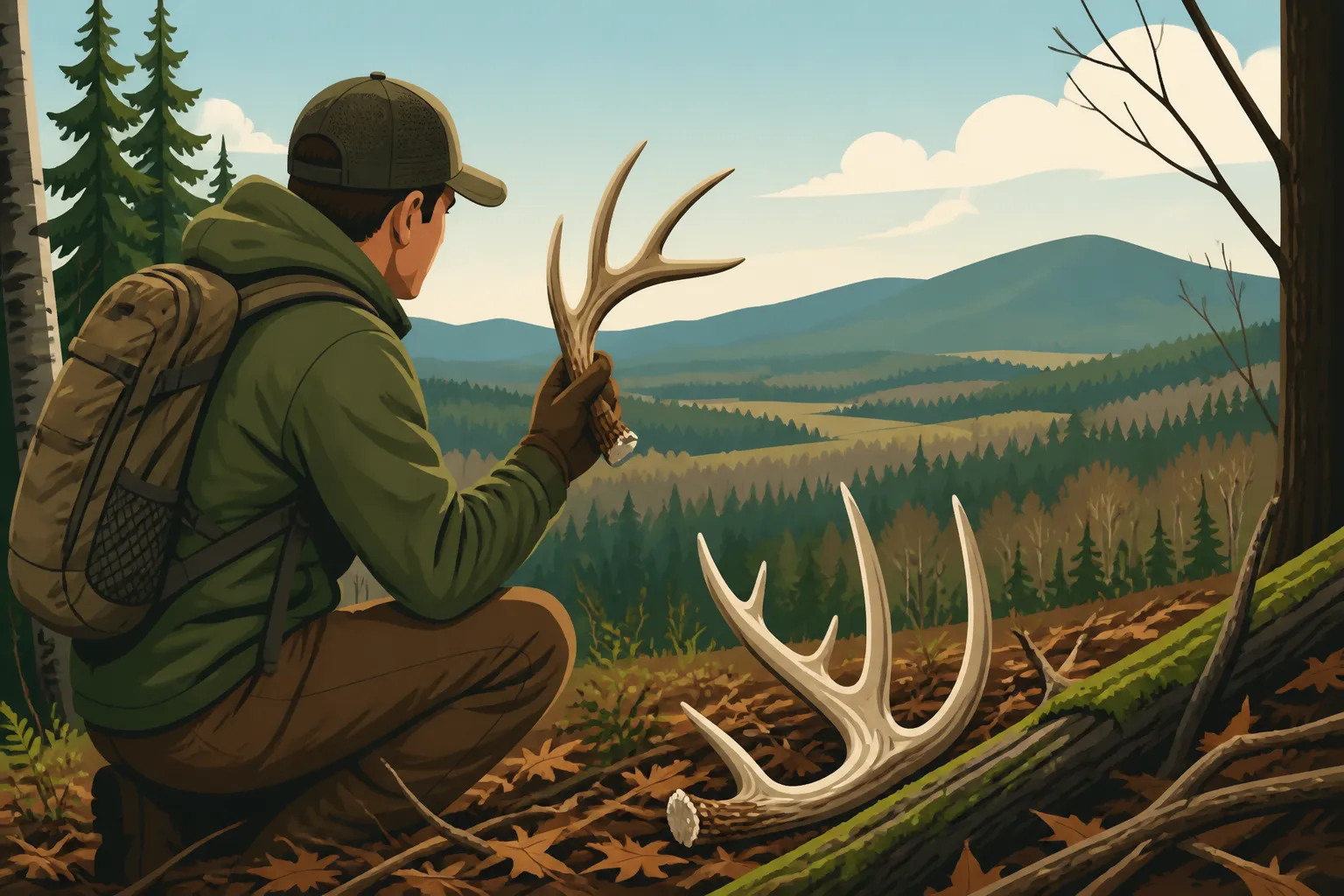
There’s nothing quite like the feeling of finding a piece of antler shed in the woods, especially when it’s from a buck you might have seen during hunting season. But let’s be real, trudging through the Vermont woods in early spring, often on public land, in search of these elusive treasures can feel like looking for a needle in a haystack. This comprehensive guide is here to cut through the guesswork, offering practical strategies and insights to significantly increase your chances of finding sheds on Vermont's beautiful, yet challenging, public lands.
Understanding Vermont's Shed Hunting Landscape
Shed hunting in Vermont is a different beast than in some other states. We don't have vast, open agricultural fields where sheds practically jump out at you. Instead, we're dealing with rugged mountains, dense timber, and often deep snows that make the timing and location of shed drops unique. It’s a rewarding challenge, but one that demands a specific approach if you want to be successful.
The Allure and Challenge of Public Land Sheds
The draw of public land is undeniable: endless acres to explore, the chance to discover a hidden gem, and the satisfaction of earning every find. However, these same attributes present significant challenges. Public lands often see more pressure, not just from hunters during the season, but also from hikers, skiers, and other outdoor enthusiasts throughout the year. This can influence deer movement and, subsequently, where sheds might be dropped. The sheer size of areas like the Green Mountain National Forest can feel overwhelming, making it tough to know where to even begin your search.
Furthermore, Vermont's public lands encompass incredibly diverse habitats, from high-elevation hardwood ridges to dense softwood thickets and low-lying swamps. Each of these environments dictates how deer utilize the landscape, particularly during the harsh winter months when food is scarce and thermal cover is paramount. Understanding these nuances is key to narrowing down your search, rather than just aimlessly wandering. It's about working smarter, not just harder, to cover ground effectively.
Prime Time for Hitting the Woods
Timing is absolutely everything when it comes to shed hunting in Vermont. While a few early birds might drop antlers in late December or January, the vast majority of bucks in our state will cast their antlers from mid-February through March, sometimes even into early April, depending on the individual buck's health and the severity of the winter. Too early, and you're just spooking deer and potentially pushing them off a feeding area where they might drop an antler. Too late, and you risk other shed hunters, squirrels, or mice finding and chewing on those antlers before you do.
The ideal window often opens as the snow pack begins to recede but before spring green-up truly takes hold. This transitional period often corresponds with fluctuating temperatures, which can stress deer and encourage antler drop. Pay close attention to weather patterns, especially a warm spell followed by a cold snap, as these changes can sometimes trigger a mass drop. However, it's also critical to consider that deeper snow or prolonged cold, like we often experience in the Northeast Kingdom, can delay the drop significantly, pushing it closer to April. This careful balance of timing the melt and beating the scavengers is the shed hunter's perennial dilemma.
Legalities and Regulations to Know
Before you even step foot on public land with shed hunting in mind, it's crucial to be aware of Vermont's specific regulations. While shed hunting is generally permitted on state forests, wildlife management areas, and the Green Mountain National Forest, there are sometimes specific rules or closures to be mindful of. For instance, some wildlife management areas might have seasonal closures to protect wintering deer yards or sensitive wildlife habitats, preventing disturbance during critical periods. Always double-check with the Vermont Fish & Wildlife Department website or local office for any current restrictions in the specific area you plan to visit.
Beyond just access, consider the ethical implications. While most areas allow shed collection, some rules might prohibit disturbing deer specifically to make them drop antlers – it's about finding what's already been shed naturally. Also, remember that federal lands, like parts of the Green Mountain National Forest, operate under their own set of rules, which can sometimes differ slightly from state regulations. Always carry a copy of your current hunting or fishing license, even if not strictly required for shed hunting, as it demonstrates you're a responsible outdoorsperson and provides identification should you encounter a game warden. Being prepared and knowledgeable about the rules shows respect for both the land and the wildlife.
Deciphering Deer Behavior for Shed Success
Finding sheds isn't just about walking around until you stumble upon one. It's about understanding why and where a buck spends his time during the late winter and early spring. By putting yourself in the deer's hooves, so to speak, you can focus your efforts on high-probability areas, turning a random walk into a strategic hunt. This means keying in on food, cover, and travel patterns that are unique to this challenging time of year.
Late-Season Food Sources and Their Impact
After the rut, bucks are often run down and desperate for calories. Their primary goal is survival through the cold, lean months. This makes late-season food sources absolute magnets for deer, and therefore, prime shed hunting locations. Think about those hard mast crops like acorns and beechnuts that may still be available under the snow in mature hardwood stands. While abundant in early fall, any remaining nuts can be a critical food source. Often, you'll find deer pawing through the snow to access these. Look for signs of heavy feeding, like disturbed snow or chewed-up browse.
Beyond natural mast, don't overlook agricultural areas bordering public land, especially if you have permission to access the edges. Corn fields, even cut ones, can still offer kernels if not plowed under deeply. Areas where farmers might leave standing crops as winter forage can also concentrate deer. These spots are where bucks will spend a lot of time, and the act of feeding, pawing, or jumping fences can sometimes dislodge an antler. In areas with limited agricultural opportunity, focus on natural browse like young maples, aspen, and balsam fir, especially in clear-cuts or areas that have been recently timbered, providing a buffet of new growth. For a deeper dive into these critical resources, check out our guide on Late-Season Food Sources for Vermont Whitetails.
Bedding Areas and Thermal Cover
Vermont winters are no joke, and deer prioritize survival. After feeding, they retreat to areas that offer maximum protection from the wind and cold. This means thick thermal cover is critical. Think dense softwood stands – hemlock, spruce, balsam fir – particularly on south-facing slopes that catch more sunlight. These areas create a warmer microclimate, allowing deer to conserve precious energy. Look for clusters of deer beds, often pressed into the snow or leaf litter, which will be a dead giveaway that deer are spending significant time there.
Additionally, consider benches and subtle depressions on hillsides that offer both protection from prevailing winds and a vantage point. These areas are where bucks will lay up during the day, chewing their cud and waiting out the cold. The simple act of laying down and standing up can be enough to dislodge a weakened pedicle. When you're Reading a Green Mountain Deer Yard, remember these areas are not just for does and fawns; big bucks will often be nearby, seeking similar protection. Pay particular attention to the trails leading into and out of these bedding thickets, as antlers can often fall off during movement or when brushing against saplings.
Travel Corridors and Natural Funnels
Deer are creatures of habit, especially in winter. They will establish predictable routes between their primary food sources and their bedding areas. These travel corridors are excellent places to shed hunt. Look for well-worn trails, even under the snow, or areas with heavy sign like rubs (though these will be older by spring) and droppings. Funnels, such as narrow strips of timber between open fields, saddles on ridges, or crossings over creeks, naturally constrict deer movement, forcing them into a smaller area and increasing your chances of finding a shed.
Consider how terrain features influence deer movement. A steep ravine might force deer to use a specific crossing point. A logging road or old woods road might serve as an easy travel route, even if it sees some human traffic. Fence lines, particularly older ones with low wires, can also be hotspots, as deer jumping over them can knock an antler loose. Utilize mapping apps like GoHunt or onX to identify these potential funnels and corridors before you even step foot in the woods. These tools can highlight changes in elevation, vegetation types, and access points that might concentrate deer. Understanding how deer traverse the landscape is crucial for effective shed hunting, similar to how one might scout for prime spots before Hunting a Funnel Between Two Woodlots.
Essential Gear and Scouting Techniques
Shed hunting isn't just a leisurely stroll; it's a dedicated pursuit that benefits immensely from proper preparation and strategic execution. Having the right tools, both in your pack and in your planning, can make all the difference between coming home empty-handed and clutching a prized antler. Vermont's rugged terrain and unpredictable spring weather demand a thoughtful approach to gear and scouting.
Mapping Tools and Satellite Imagery
In a state like Vermont, where public lands can feel vast and overwhelming, digital mapping tools are an absolute game-changer for shed hunting. Applications like GoHunt or onX Hunt are indispensable. Before you even leave the house, spend time scrutinizing satellite imagery. Look for those dark green patches indicating dense softwood cover—these are likely thermal bedding areas. Identify clear-cuts, old logging roads, and field edges that might offer critical late-season browse. Mark potential funnels, saddles, and creek crossings. Pay attention to how different habitat types connect, forming natural travel corridors.
These apps also provide valuable information on land ownership, which is crucial for staying on legal public ground. You can utilize features like the public land overlay to ensure you’re within bounds and avoid trespassing. Furthermore, many apps allow you to drop pins, track your route, and record shed finds, creating a personal database of successful spots and deer patterns. This pre-scouting from your couch saves countless miles of unproductive walking. Remember, the goal is to eliminate dead ground and focus your boots-on-the-ground effort on high-percentage areas. Leveraging tools like these for Reading Aerial Photos for Green Mountain Deer can give you a significant edge.
Footwear and Layering for Spring Conditions
Vermont's spring weather is notoriously fickle. One day can be sunny and mild, the next can bring cold rain or even late-season snow. Dressing in layers is paramount. Start with a moisture-wicking base layer, even if the temperatures seem mild, as you'll be exerting yourself. Follow with insulating layers, such as fleece or a lightweight puffy jacket, and top it off with a waterproof and windproof outer shell. You'll likely be shedding and adding layers throughout the day as you hike, climb, and stop to glass. For guidance on optimal cold-weather comfort, you might find tips in our article on Best Base Layer for a September Archery Sit, applicable for any strenuous outdoor activity in varying temperatures.
Your footwear is equally, if not more, important. You'll be covering miles over uneven, often wet, and sometimes still snowy terrain. A good pair of waterproof, ankle-supporting boots is non-negotiable. Look for boots with aggressive tread for traction on muddy slopes or slick rocks. I prefer something like a sturdy leather hiking boot or a robust rubber boot, depending on how wet the conditions are expected to be. Consider bringing gaiters to keep mud, snow, and debris out of your boots, especially if you're slogging through swamps or areas where the snow is melting. Your feet are your most important tool, and keeping them dry and comfortable will allow you to stay out longer and cover more ground. For detailed recommendations on navigating rugged terrain, read our piece on Best Boots for Green Mountain Ridge Trails.
Gridding and Systematic Searching
Random walking might turn up a shed eventually, but a systematic approach will yield far better results. Once you've identified a promising area through your mapping tools, employ a gridding strategy. This involves walking a section of woods in a methodical pattern, back and forth, ensuring you cover every square foot. Walk slowly, with your eyes constantly scanning the ground about 10-20 yards ahead. Sheds can blend in remarkably well with leaf litter, sticks, and rocks. Train your eyes to look for the distinct curve of an antler or the color contrast.
When walking, consider the angle of the sun. Sometimes, walking with the sun at your back can illuminate sheds, making them stand out. Other times, walking into the sun might create shadows that highlight them. Adjust your approach as needed. If you're with a partner, spread out in a line, about 10-15 yards apart, and walk the grid together. This significantly increases your coverage. Don't forget to check under downed logs, around the bases of large trees, and along faint trails where deer might have brushed against something. Even a small piece of a broken tine can indicate you're in a high-traffic area. Persistence and a methodical approach are key to success on challenging public lands. For more general guidance on finding deer sign, our article on Finding Sign in Green Mountain Timber offers valuable techniques.
Post-Shed Hunting Activities and Considerations
Finding sheds is just one part of the equation. What you do with your finds, how you document your efforts, and the respect you show to the land and its wildlife are all crucial aspects of being a responsible and effective shed hunter. It's about more than just collecting; it's about learning and contributing to your overall understanding of Vermont's deer herd.
Documenting Your Finds and Learnings
Every shed you find is a piece of the puzzle, offering valuable insights into the local deer population. Don't just pick it up and toss it in your truck; take a moment to document the find. Note the exact location on your GoHunt or onX app, photograph the shed in situ before you move it, and record details like the date, time, and surrounding habitat. Was it near a food source, in bedding cover, or along a travel corridor? This data will build a personal knowledge base that can inform future shed hunts and even your deer hunting strategies in the fall.
Consider the condition of the shed. Is it fresh, or has it been out there for a while, showing signs of weathering or rodent chewing? This can help you refine your timing for subsequent seasons. If you find multiple sheds from the same buck over successive years, you've hit a gold mine – you've identified a specific buck's wintering grounds and possibly his core range. This level of detail can lead to remarkable patterns. For example, knowing a buck often sheds his antlers near a specific Green Mountain Ridgeline Public Access point year after year can inform your early season scouting as well as future shed hunts.
Ethical Considerations and Respecting Wildlife
While shed hunting is generally a low-impact activity, it's vital to maintain an ethical mindset. The primary goal is to find antlers that have already been shed. Actively pursuing deer to stress them into dropping their antlers is not only unethical but potentially detrimental to their health, especially during the lean winter months. Give wintering deer their space. If you encounter a group of deer, observe them from a distance and consider altering your route to avoid disturbing them.
Always practice Leave No Trace principles. Pack out everything you pack in, and if you see any trash, pick it up. Respect posted private property, even if you think a shed might have fallen just over the line – always get permission before crossing. Vermont's deer herd, like our moose, face challenges such as those highlighted in Why Winter Ticks Threaten Vermont Moose, and minimizing stress during critical periods is paramount for all wildlife. Being a responsible shed hunter means being a steward of the land and its wildlife, ensuring that future generations can enjoy these same outdoor pursuits.
What to Do With Your Collected Sheds
Once you've lugged those antlers out of the woods, you might be wondering what to do with them. For many, sheds are simply prized trophies, displayed in the home or cabin, a tangible reminder of a successful day afield. They tell a story of effort, patience, and connection with nature. You might use them for unique decorative pieces, turn them into knife handles, or craft other antler art.
Beyond personal display, sheds can also be a valuable resource for learning. Comparing sheds from different years or different areas can offer insights into antler growth patterns and the health of the local deer herd. Some shed hunters even sell their finds, particularly large or unique antlers, to collectors or artisans, though this is less common with the typically smaller antlers found in Vermont compared to western states. Regardless of what you do with them, each shed represents a successful quest and a deeper understanding of the incredible wildlife that calls Vermont home.
| Time Period | Typical Conditions | Deer Behavior Focus | High Probability Areas | Notes |
|---|---|---|---|---|
| Late Jan-Early Feb | Deep snow, colder temperatures | Heavy winter browsing, yarding | Conifer thickets, south-facing slopes, browse | Very early, less common to find sheds. |
| Mid Feb-Mid Mar | Snow receding, fluctuating temperatures | Transitioning from yards, seeking browse | Edge of yards, travel routes, clear-cuts | Prime Window for most antler drops. |
| Late Mar-Early Apr | Significant melt, early green-up, muddy ground | Spreading out, new growth | Field edges, wet bottoms, low-lying areas | Still good, but risk of rodent chew increases. |
| Late Apr-May | Full green-up, dense undergrowth | Scattered, harder to spot sheds | Open hardwoods, logging roads, high ground | Mostly for seasoned hunters or overlooked spots. |
Disclaimer
The information provided in this guide is for informational purposes only and is not a substitute for official regulations. Always consult the Vermont Fish & Wildlife Department and relevant land management agencies for the most current rules and regulations before engaging in any outdoor activities, including shed hunting. Safety and ethical conduct should always be your top priorities.