Vermont’s Three Waterfowl Zones Explained
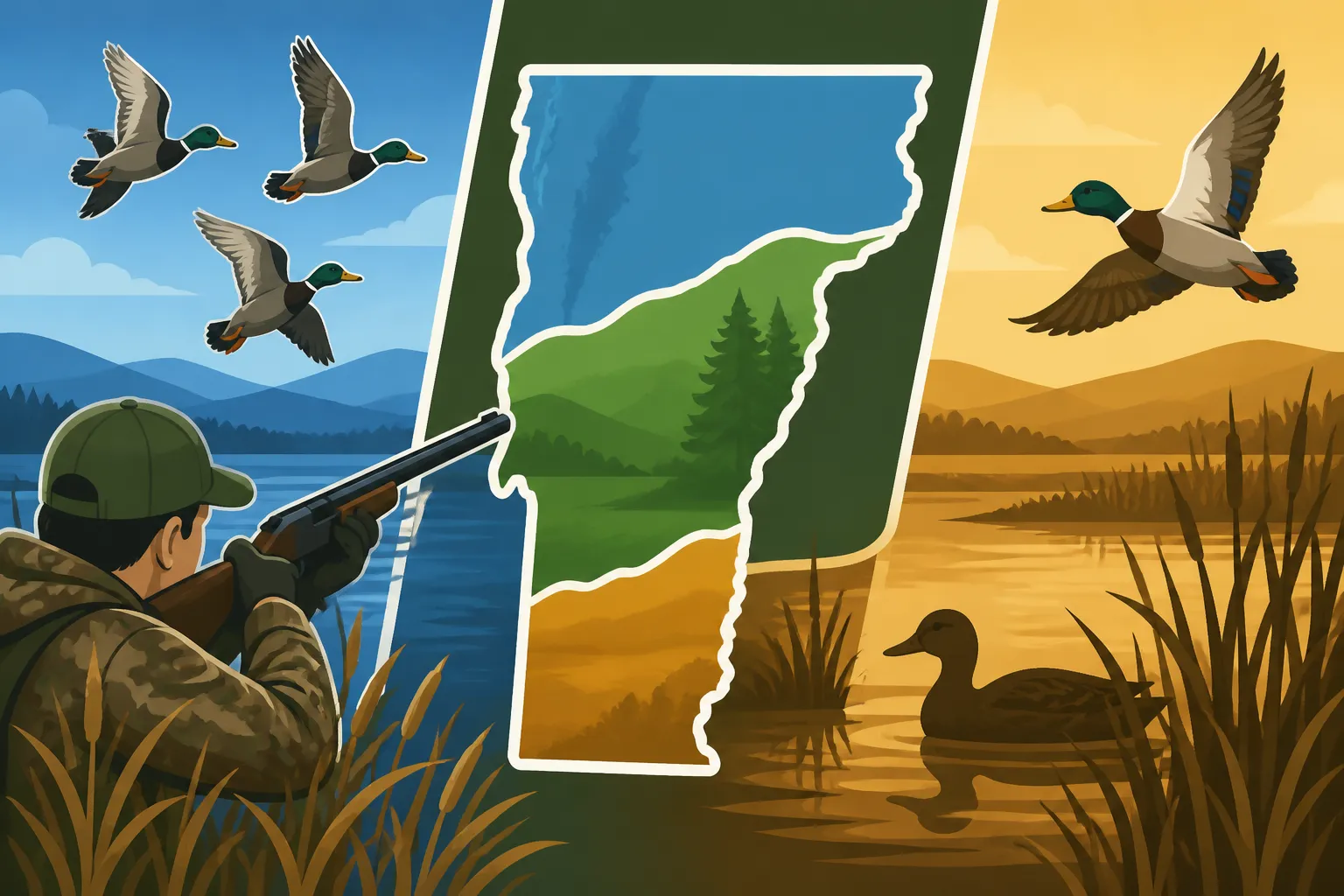
One of the biggest head-scratchers for new and even seasoned waterfowlers in Vermont is understanding the distinct waterfowl hunting zones. It can feel like you need a legal degree just to figure out when and where you can legally pursue ducks and geese, leading to frustration and missed opportunities. This comprehensive guide aims to demystify Vermont's three waterfowl zones, explaining their boundaries, unique characteristics, and how to navigate the specific regulations that apply to each, ensuring you’re confident and compliant in the blind.
Understanding Vermont's Waterfowl Zones
Vermont's approach to waterfowl management, like many states, involves dividing its landscape into specific zones. This isn't just for arbitrary reasons; it's a strategic move designed to align hunting seasons with the migratory patterns of various duck and goose species, ensuring sustainable harvests and healthy populations. Ignoring these distinctions can lead to serious legal trouble and, more importantly, a less successful hunt.
Why Zones Are Necessary for Waterfowl Management
Waterfowl, by their very nature, are migratory. Their movements across the landscape are influenced by a myriad of factors, including weather patterns, food availability, and breeding cycles. A duck that's present in the Champlain Valley in early October might be hundreds of miles south by November, while another flock might just be arriving in the Northeast Kingdom. If Vermont had a single, statewide season, it would either open too early for birds in one region or too late for those in another, missing prime hunting opportunities or risking over-harvest during vulnerable periods. The zones allow for tailored season dates and bag limits that reflect the local waterfowl populations and their migratory stages, leading to more effective conservation and better hunting. It's about optimizing the balance between hunter opportunity and species protection.
A Brief History of Vermont's Zonal System
Vermont's waterfowl zones haven't always been exactly as they are today. Like many wildlife management practices, the system has evolved over time, adapting to changes in waterfowl populations, habitat conditions, and scientific understanding. Historically, hunting regulations were often more generalized, but as data collection improved and biologists understood the nuances of migration within the state, the need for more specific management tools became clear. The current three-zone system was established to better address the distinct ecological characteristics of Lake Champlain, the interior uplands and smaller water bodies, and the Connecticut River corridor. These zones reflect distinct flyway segments and habitat types that attract and hold waterfowl differently throughout the fall and winter, allowing Vermont Fish and Wildlife to work within federal frameworks to set optimal seasons for each area.
Key Differences Across Zones
While all three zones fall under the umbrella of Vermont hunting regulations, their differences are significant and directly impact when and how you can hunt. The primary distinctions lie in their geographic boundaries, which dictate the specific habitats available, the dominant waterfowl species you're likely to encounter, and, most critically, their individual season dates and sometimes even bag limits. For instance, you'll find different timing for the regular archery opener in October and the November rifle opener, depending on the zone you're in. The Lake Champlain Zone, with its massive water body, sees a different migration push than the smaller rivers and ponds of the Interior Zone, or the linear migration route of the Connecticut River. These differences mean that a successful waterfowl hunter needs to be intimately familiar with not just general state regulations, but the specific rules of the zone they intend to hunt. Resources like the Vermont Fish & Wildlife Department's waterfowl regulation digest or apps like GoHunt can be invaluable for staying current on these ever-changing details.
The Lake Champlain Zone
When you talk about waterfowl hunting in Vermont, for many, the conversation inevitably turns to Lake Champlain. This zone is a true gem, offering some of the most diverse and exciting waterfowl opportunities in the state, but it comes with its own set of rules and challenges. It’s also often subject to a split season, which adds another layer of complexity for hunters to track.
Geographic Boundaries and Unique Habitat
The Lake Champlain Zone encompasses not just the lake itself, but also a significant portion of its surrounding shoreline and tributaries. Specifically, it includes all waters and lands west of the main line of the Vermont Central Railroad from the Canadian border to the Winooski River, west of U.S. Route 7 from the Winooski River to Otter Creek, west of the main line of the Vermont Railway from Otter Creek to the New York border, and all of the islands in Lake Champlain. This vast area provides an incredible variety of habitats, from expansive open water and shallow bays with abundant submergent vegetation to marshy deltas, agricultural fields, and wooded swamps. The sheer scale of the lake, particularly its deeper, more stable waters, makes it a crucial staging and wintering area for thousands of ducks and geese, especially during periods when inland waters freeze up. This unique combination of large water, diverse food sources, and protection makes it a magnet for migratory birds, creating incredible opportunities for those willing to learn its intricacies. For those thinking about decoying ducks on Lake Champlain, understanding the subtle currents and vastness is key.
Species and Hunting Opportunities
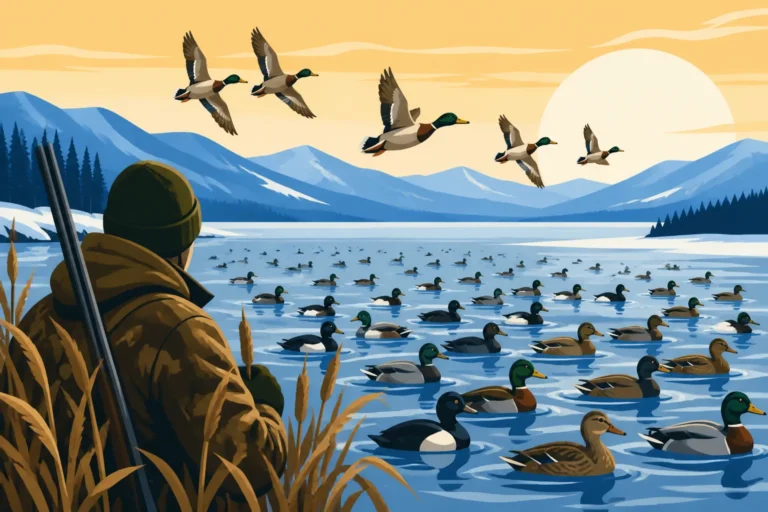
The diversity of habitat in the Lake Champlain Zone translates directly into a wide array of waterfowl species available to hunters. Puddle ducks like mallards, black ducks, and wood ducks are common in the shallower bays and marshes, especially early in the season. However, it's the diver ducks—like scaup, ring-necked ducks, goldeneyes, and buffleheads—that truly define Lake Champlain hunting for many. These birds utilize the deeper, open water, often in rafts numbering in the hundreds or even thousands. Beyond ducks, both resident and migratory Canada geese frequent the agricultural fields surrounding the lake, offering excellent field hunting opportunities. Snow geese can also be seen, particularly during strong migratory pushes. The best opportunities often arise during the peak migration periods in October and November, when new birds are constantly filtering into the region. Successful hunting here can involve everything from quiet canoe hunts in secluded backwaters to elaborate decoy spreads from layout blinds or permanent blinds on points and islands.
Special Considerations: The Split Season
One of the most notable features of the Lake Champlain Zone is its split season. Unlike the continuous seasons in the other two zones, the Lake Champlain Zone typically has an early segment, followed by a closure, and then a later segment. This split is primarily designed to maximize hunting opportunity by aligning with two distinct peaks of migration: an early push of local birds and early migrants, and a later push of northern-migrating birds that arrive as colder weather sets in. The exact dates of the split season vary year to year, determined by federal frameworks and state biological data. It's absolutely critical for hunters to consult the Vermont Fish & Wildlife Department's annual hunting guide for the precise dates. Missing a week of the season can mean missing the migration entirely, or worse, hunting during a closed period. This split season demands careful planning and attention to detail, but for those who master its timing, it can offer two distinct chances at incredible waterfowl action. For hunters interested in Vermont's split Lake Champlain season explained, knowing when to scout and when to rest can be a game-changer.
The Interior Zone
Stepping away from the vastness of Lake Champlain, the Interior Zone presents a completely different, yet equally rewarding, waterfowl hunting experience. This is where most Vermonters live and where a significant portion of the state's smaller water bodies are found, offering a more intimate and varied hunting landscape.
Vast Reach and Diverse Landscapes
The Interior Zone is, geographically speaking, the largest of Vermont's three waterfowl zones. It encompasses all lands and waters east of the Lake Champlain Zone boundary and west of the Connecticut River Zone boundary. This means it covers the majority of the Green Mountains, the central valleys, and the northern reaches of the state, including the Northeast Kingdom. Within this sprawling area, you'll find a remarkable diversity of habitats: countless small to medium-sized rivers like the Winooski, Lamoille, and White River; numerous ponds and lakes, from isolated beaver flows to popular recreational waters; and extensive wetlands, agricultural fields, and hardwood forests. This zone is a mosaic of public and private lands, offering a wide range of hunting scenarios from jump-shooting small creeks to setting up on a larger pond or agricultural field. Unlike the major flyway funnel of Lake Champlain, birds in the interior are often more dispersed, utilizing smaller, more numerous water sources. Hunting in the Interior Zone requires a keen understanding of reading a marsh for a morning flight or knowing how to approach a winding river section.
Key Hunting Locations and Waterfowl Species
Due to its size and diversity, pinpointing a single "best" hunting location in the Interior Zone is impossible. Success here often comes down to diligent scouting and understanding local bird movements. Rivers and their associated floodplains are prime targets, especially during periods of migration. Look for stretches with slow currents, backwater eddies, and adjacent agricultural fields. Ponds, particularly those with emergent vegetation or nearby mast crops like acorns, can also be hotspots. Many Wildlife Management Areas (WMAs) like Victory Basin or Mud Creek also offer excellent public access for waterfowl.
As for species, puddle ducks are the dominant quarry in the Interior Zone. Mallards, black ducks, wood ducks, and green-winged teal are abundant, especially during the early and mid-fall. Wood ducks are particularly prevalent in wooded swamps and beaver flows. While divers are less common than on Lake Champlain, you'll occasionally find ring-necked ducks on larger, deeper ponds. Canada geese also utilize the agricultural fields and larger water bodies throughout the interior, especially during migration. The key is to find where these birds are feeding and roosting, which can change rapidly with weather and food availability. Many hunters find using scouting tools like the GoHunt app helpful for identifying potential wetlands and monitoring weather patterns.
Planning Your Hunt in the Interior
Hunting the Interior Zone successfully often hinges on flexibility and adaptability. Unlike the more static open water setups on Lake Champlain, interior hunting often involves more mobile strategies. Jump-shooting small rivers and creeks can be highly effective, especially for wary mallards and black ducks. Setting up small decoy spreads on ponds or beaver flows can also yield results. Given the mix of public and private land, securing permission for hunting a Champlain Valley dairy farm edge or other private tracts is often crucial, as many prime feeding areas are on private property.
Another critical aspect is monitoring weather. Early freezes can quickly push birds out of smaller water bodies, concentrating them on larger rivers or the remaining open water of Lake Champlain. Conversely, a prolonged warm spell can delay migration, keeping birds scattered. Hunters should also be mindful of other hunters, especially on popular public access points. While some WMAs can see significant pressure, there are countless smaller, overlooked spots that can offer fantastic hunting for those willing to do their homework and walk a little further. Knowing when Vermont's Interior Zone waterfowl dates open and close is your first step, but the real work is in the field.
The Connecticut River Zone
Hugging Vermont's eastern border, the Connecticut River Zone offers a distinct waterfowl hunting experience, shaped by the mighty river itself. This zone serves as a significant migration corridor, attracting a consistent flow of birds throughout the season. It’s a linear, dynamic environment that demands its own unique strategies and understanding of its specific regulations.
The River as a Migration Corridor
The Connecticut River Zone is defined by the main stem of the Connecticut River, including all its waters and lands within Vermont east of the westernmost main channel of the river. This narrow, yet critically important, strip of habitat acts as a natural highway for migratory waterfowl traveling along the Atlantic Flyway. The river's flow, often punctuated by oxbows, backwaters, and smaller tributaries, provides a constant source of open water, even as surrounding ponds and marshes begin to freeze. The fertile agricultural lands of the Connecticut River Valley, particularly those in southeastern Vermont, offer abundant feeding opportunities for geese and puddle ducks.
Birds flying south often "follow the river," using it as a navigational beacon and a reliable source of food and rest. This makes the Connecticut River Zone unique, as hunters can often anticipate fresh flights of birds arriving with each cold front. The constant movement of water also means that conditions can change rapidly, with fluctuating water levels impacting access and bird behavior. Hunters who understand the river's rhythm and how it influences migratory patterns are often the most successful. Focusing on pass-shooting geese on the Connecticut River can be a productive strategy when birds are on the move.
Hunting Challenges and Rewards
Hunting the Connecticut River Zone comes with its own set of challenges. Access can sometimes be limited, particularly along private shorelines. Additionally, the river is shared with New Hampshire, meaning hunters need to be hyper-aware of state lines and specific regulations that might differ slightly on the New Hampshire side. The dynamics of river currents and often deeper water can also present challenges for decoy spreads and retrieval of downed birds. Safety on the river, especially during colder months, is paramount.
However, the rewards can be significant. The consistent influx of migratory birds means that even if one push of birds moves through, another is often on its way. You'll find good numbers of mallards, black ducks, and wood ducks in the river's eddies, backwaters, and tributary mouths. Canada geese are a major draw, often feeding in adjacent fields and returning to the river to roost. Common mergansers and goldeneyes are also frequently seen. The excitement of setting up along a major flyway and anticipating new birds to drop into your spread is a powerful draw for many waterfowlers. Finding those key pinch points or islands that birds favor for resting can lead to exceptional hunts.
Important Regulations and Access Points
Like the other zones, consulting the Vermont Fish & Wildlife Department's annual waterfowl regulations for the specific season dates for the Connecticut River Zone is non-negotiable. Pay close attention to any changes in bag limits or species-specific rules.
Access to the Connecticut River is available through various public boat launches, state parks (though hunting rules may vary, so check specific park regulations), and several Vermont Wildlife Management Areas situated along its banks. These WMAs often include river frontage and adjacent wetlands, providing critical habitat and public hunting opportunities. Building relationships with private landowners in the valley can also open up access to prime field hunting for geese. When scouting, always be aware of private property boundaries and obtain explicit permission before entering. Using mapping tools like those offered by GoHunt can help you identify public access points and distinguish them from private land, making your pre-hunt scouting much more efficient. Understanding Vermont's Connecticut River Zone waterfowl dates and legal access is crucial for a successful and ethical hunt.
Navigating Season Dates and Bag Limits by Zone
Understanding the geographic boundaries of Vermont's waterfowl zones is just the first step. The real test comes in deciphering the annual regulations to know precisely when you can hunt and how many birds you can take. These dates and limits are not arbitrary; they are the result of extensive biological research, population monitoring, and a complex interplay between federal and state wildlife agencies.
Interpreting the Annual Waterfowl Regulations Digest
Every year, usually in late summer, the Vermont Fish & Wildlife Department releases its official waterfowl hunting regulations digest. This document is your bible for the upcoming season. It will clearly lay out the specific opening and closing dates for each of the three zones—Lake Champlain, Interior, and Connecticut River—for various species groups like ducks, geese, and often even specific types of ducks (e.g., scaup). It will also detail the daily bag limits (the maximum number of birds you can harvest in one day) and possession limits (the maximum number of birds you can have on your person or in your vehicle at any given time, usually three times the daily bag limit).
Don't just skim this document. Read it thoroughly, paying particular attention to bolded text, footnotes, and any sections that explicitly state "exceptions" or "special conditions." For example, the Lake Champlain Zone's split season dates will be clearly outlined here. The digest also covers federal requirements like the Migratory Bird Harvest Information Program (HIP) certification and the federal duck stamp, both of which are mandatory for all migratory bird hunters. It's a lot to take in, but taking the time to understand it thoroughly is crucial for legal and ethical hunting. Remember, ignorance of the law is not an excuse for violations.
Understanding Daily and Possession Limits
Daily bag limits are set to ensure that harvest levels are sustainable for waterfowl populations. These limits can vary by species, with more common and robust populations (like mallards) often having higher limits than species with smaller or more vulnerable populations (like pintails or canvasbacks). Furthermore, there are often "species-specific" limits within the overall duck bag limit. For instance, you might be allowed six ducks total, but only two of those can be mallards, one can be a black duck, and so on. It's critical to correctly identify your birds in hand to ensure you're not exceeding these specific sub-limits.
Possession limits are generally designed to prevent commercialization of wildlife and to ensure that hunters are not stockpiling game beyond what is reasonable for personal consumption. For most waterfowl, the possession limit is typically three times the daily bag limit. This means if the daily limit for mallards is two, you can have six mallards in your freezer at home, but only two in your bag when actively hunting. These limits apply across all zones and are uniformly enforced. Always ensure you transport your birds properly, with at least one fully feathered wing attached to aid in identification during transport.
The Impact of Federal Frameworks
It’s important to understand that Vermont, like all states, operates within a federal framework for migratory bird hunting seasons. The U.S. Fish and Wildlife Service (USFWS) sets broad guidelines and season "frameworks" based on continent-wide population data, habitat conditions, and harvest objectives. These frameworks dictate the maximum number of hunting days allowed, the earliest and latest possible opening and closing dates, and overall bag limits for various species.
States then have the flexibility to select their specific season dates and bag limits within these federal parameters, taking into account local factors like bird migration patterns, hunter preferences, and specific conservation needs within Vermont. This cooperative management ensures that waterfowl populations are managed effectively across their entire migratory range. For example, the decision to implement a split season in the Lake Champlain Zone, or to adjust the Vermont duck daily bag limit, is made by state wildlife biologists, but always within the bounds set by federal oversight. This layered approach ensures both broad conservation goals are met and local hunting traditions can be sustained.
Gear and Strategy for Each Zone
Successfully hunting waterfowl in Vermont's diverse zones isn't just about knowing the rules; it's also about tailoring your gear and strategy to the specific conditions and bird behaviors found in each area. What works wonders on a vast lake might be completely ineffective on a winding river or a small marsh.
Decoy Spreads and Blind Setups for Specific Habitats
The type of habitat you're hunting should dictate your decoy spread and blind setup.
- Lake Champlain Zone: On large, open water, you'll often need larger spreads to be visible from a distance. For diver ducks, large rafts of diver decoys, often numbering in the dozens, are effective. These can include scaup, canvasbacks, and goldeneye decoys. Puddle ducks in shallower bays might respond better to smaller spreads of mallards, black ducks, and pintails, often with a few spinning wing decoys (e.g., Mojo Decoys) to grab attention. Layout blinds are popular for open-water hunting, especially on shallow shoals, or you might hunt from a permanent blind on a point or island. Natural cover is often sparse, so brushing in a blind meticulously is critical.
- Interior Zone: Hunting smaller water bodies, rivers, and beaver flows means a more intimate setup. Smaller decoy spreads, often 6-12 decoys, are more appropriate. Focus on mallards, black ducks, and wood ducks, especially during early season. Wood duck decoys can be particularly effective in timbered swamps. Portable blinds like pop-ups, natural ground blinds brushed in with local vegetation, or even just sitting against a large tree can be highly effective here. Jump-shooting often requires no decoys at all, relying on stealth and surprise.
- Connecticut River Zone: The river's current can make setting up decoys tricky. Anchor weights need to be heavier, and you might consider stringing decoys together to form a "gang rig" that's easier to deploy and retrieve. Mallards, black ducks, and Canada goose decoys are staples. For geese in agricultural fields, large spreads of full-body goose decoys, combined with layout blind hunting a Champlain Valley field (or rather, a Connecticut River Valley field!), are necessary to pull birds in. Blind setups along the river can range from natural bankside cover to more elaborate custom-built blinds.
Calling Techniques Tailored to Regional Birds
Waterfowl calling is an art, and the specific calls and techniques you use should adapt to the birds you're targeting and their behavior in each zone.
- Lake Champlain Zone: On open water, especially for diver ducks, calling is often less critical than decoy spreads, but a good diver call can sometimes draw attention. For puddle ducks in bays, standard mallard quacks, contented feeding chuckles, and greeting calls are effective. For geese, loud, sharp honks and clucks are important to get the attention of high-flying flocks. When hunting wary birds that have seen a lot of pressure, subtle calling often works better than aggressive, continuous calling.
- Interior Zone: Here, where birds are often in smaller groups and may be less pressured by constant calling, realistic and well-timed calling is key. Soft, natural mallard quacks, feeder chuckles, and a convincing wood duck "whistle" can be incredibly effective. For jump-shooting, a quick "hail call" might sometimes stop a flushed bird for a shot, but usually, stealth is the primary strategy. Early in the season, wood duck calls are particularly valuable as these birds are often abundant.
- Connecticut River Zone: Geese are a major target here, so mastering a range of goose calls—clucks, honks, moans, and double clucks—is essential. Varying your calling to mimic a flock in different stages of flight can make a big difference. For ducks on the river, aggressive calling might spook wary birds. Instead, use soft, inviting quacks and feeder calls when birds are approaching, and louder comeback calls if they're veering off. Remember, the goal is always to sound like a contented flock of birds on the water.
Essential Gear for Zone-Specific Challenges
Beyond decoys and calls, certain gear choices are particularly important for each zone.
- Lake Champlain Zone: A reliable boat suitable for large water, often with a powerful motor, is crucial. Cold weather gear and layering for insulated layers for a December muzzleloader hunt (which can coincide with late duck season) are vital, as open water can be brutally cold. Waders, particularly chest waders, are indispensable for setting and retrieving decoys in shallow water. A good pair of waterproof binoculars is essential for scouting distant rafts of birds.
- Interior Zone: Good quality, waterproof boots suitable for walking through mud, swamps, and potentially snow are a must. A lightweight, portable blind or even just a camo poncho for concealment is highly practical for mobile hunting. A reliable GPS or mapping app like GoHunt is invaluable for navigating numerous small water bodies and ensuring you stay on public land or areas with permission. A thermos with hot coffee or soup can be a lifesaver on chilly mornings.
- Connecticut River Zone: Safety gear for river hunting, including personal flotation devices, a throw rope, and knowledge of river currents, is paramount. Heavy-duty decoy anchors are needed to withstand the current. Warm, waterproof clothing suitable for varying weather conditions is key. Again, mapping tools are essential for identifying private land along the river and ensuring you're hunting legally. A good game strap or sled for hauling birds from river access points can also be very useful. For hunting the split Lake Champlain Zone season, having versatile gear that can adapt to both early and late season conditions is key.
No matter which zone you choose to hunt, always prioritize safety, ethical hunting practices, and respect for the land and its wildlife.
Disclaimer
Please note that hunting regulations are subject to change. This guide provides general information based on current knowledge and typical patterns. Always consult the official Vermont Fish & Wildlife Department regulations digest for the most up-to-date and legally binding information before heading into the field.