Vermont Duck and Goose Numbers
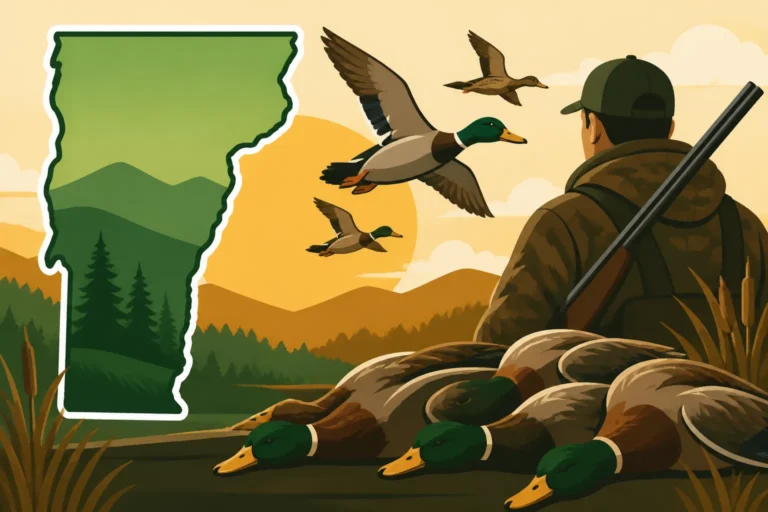
It can be incredibly frustrating to hit your favorite marsh or field in Vermont, full of anticipation, only to find it eerily quiet, or perhaps teeming with a completely different set of birds than you expected. Waterfowl numbers here in the Green Mountain State can feel like a moving target, constantly shifting with migrations, weather, and local conditions. This guide will dive deep into understanding the factors that influence Vermont's duck and goose populations, helping you make sense of what you're seeing in the field and improve your hunting strategies.
Understanding Vermont's Dynamic Waterfowl Landscape
Vermont, while not always the first state that comes to mind for massive waterfowl concentrations compared to some major flyway states, sits squarely within the Atlantic Flyway. This means our duck and goose numbers are heavily influenced by broader continental trends, yet also shaped by our unique local habitats. It's a complex dance between local breeding success, the timing of cold fronts up north, and the availability of food and open water right here in our valleys and lakes.
The Dynamic Nature of Migratory Bird Populations
Migratory waterfowl are, by definition, always on the move. Their populations are rarely static in any single location for long. They follow an annual cycle that sees them move from northern breeding grounds down to warmer wintering areas, with Vermont often serving as a critical stopover point, a breeding ground for some, and even a wintering spot for others when conditions allow. What you see during the early September teal season might be completely different from what's around during the late-season push of diving ducks on Lake Champlain. Factors like nesting success in Canada, drought or flood conditions along their migration routes, and even hunting pressure elsewhere in the flyway can all impact the numbers that eventually arrive on our doorstep. It’s never just about what happens here; it's a piece of a much larger, continent-spanning puzzle.
Key Habitats and Their Role in Supporting Waterfowl
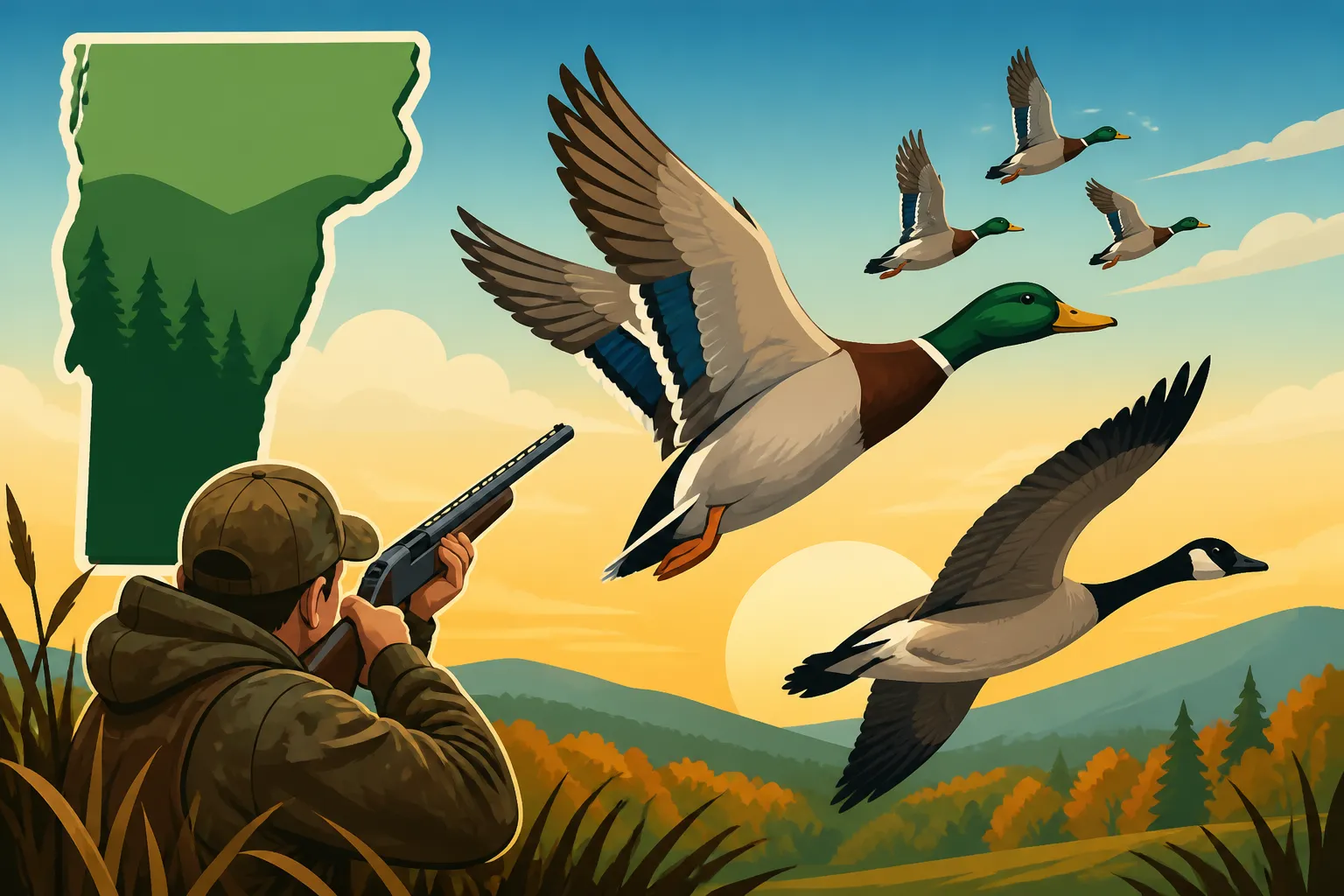
Our state offers an incredible diversity of wetlands and agricultural lands that serve as vital magnets for ducks and geese. From the sprawling expanse of Lake Champlain, which acts as a major artery on the Atlantic Flyway, to the winding Connecticut River and its oxbows, and countless inland marshes, ponds, and floodplains, Vermont provides a patchwork of essential habitats. Species like mallards and wood ducks thrive in the smaller, wooded wetlands and beaver flows, while greater scaup and goldeneyes prefer the open water of the big lake. Meanwhile, Canada geese, both resident and migratory, gravitate towards agricultural fields like cut corn or silage, often retreating to large bodies of water for roosting security. Understanding these habitat preferences is key to predicting where specific species might congregate and how their numbers will ebb and flow throughout the season.
Diving into Vermont's Duck Populations
When we talk about ducks in Vermont, we're really talking about a vibrant mix of dabbling and diving ducks, each with their own habits and preferred haunts. Each year brings a fresh challenge and opportunity to connect with these fascinating birds.
Dabbling Ducks and Their Abundance
Dabbling ducks, sometimes called puddle ducks, are often the first ducks Vermont hunters encounter. Species like mallards, black ducks, wood ducks, and green-winged teal are common sights. Mallards, with their adaptability, are arguably our most widespread duck, found in everything from small farm ponds to large marshes and rivers. Many mallards and wood ducks actually breed right here in Vermont, contributing to a local population that might stick around through the early season. Spring Turkey Hunting in Vermont is a great reminder that Vermont supports a lot of wildlife year-round. Black ducks, a more wary cousin to the mallard, are also significant, often preferring more secluded, brackish waters and becoming more prevalent as the season progresses and colder weather pushes them south. Green-winged teal are speedy, early-season favorites, often congregating in shallow, vegetated wetlands before making their longer journey south. The numbers of these birds can swing wildly based on local weather and food availability. A warm fall might see them linger, while an early cold snap can clear them out fast.
Diving Ducks and Their Presence on Larger Waters
As the season matures and temperatures drop, attention often turns to the diving ducks, which tend to prefer the deeper, more open waters of Lake Champlain and the wider stretches of the Connecticut River. Species such as ring-necked ducks, greater and lesser scaup, common goldeneyes, and buffleheads become more prominent. These birds don't just tip up to feed; they dive completely underwater, often seeking out aquatic invertebrates, small fish, and submerged vegetation. Lake Champlain, in particular, can hold impressive numbers of diving ducks during the late fall and early winter, provided there's open water. Hunters familiar with Vermont Lake Champlain Zone Waterfowl Dates know that this area offers prime opportunities for these later migrants. Their presence is a strong indicator of successful migrations and ample food sources in our larger waterways.
| Species | Primary Habitat | Typical Presence | Key Feeding Habits |
|---|---|---|---|
| Mallard | Marshes, ponds, rivers, fields | Resident & Migrant | Grain, seeds, aquatic vegetation, insects |
| Wood Duck | Wooded wetlands, beaver flows | Resident & Migrant | Acorns, seeds, insects, aquatic plants |
| Black Duck | Marshes, estuaries, open water | Migrant (some resident) | Aquatic plants, invertebrates, grains |
| Green-winged Teal | Shallow wetlands, mud flats | Migrant | Seeds, aquatic insects, small snails |
| Ring-necked Duck | Inland lakes, marshes | Migrant | Submerged vegetation, invertebrates |
| Common Goldeneye | Large rivers, open lakes | Migrant | Aquatic insects, small fish, crustaceans |
| Greater/Lesser Scaup | Large lakes, bays | Migrant | Mussels, clams, aquatic insects |
| Bufflehead | Ponds, rivers, sheltered bays | Migrant | Aquatic insects, crustaceans, small fish |
| Canada Goose | Agricultural fields, lakes | Resident & Migrant | Grains, grasses, aquatic plants |
| Snow Goose | Open fields, coastal marshes | Migrant (occasional) | Roots, seeds, waste grain |
Exploring Vermont's Goose Populations
Geese, particularly Canada geese, are a significant component of Vermont's waterfowl picture. They represent both a local success story and a magnificent spectacle of migration, with their numbers often being far more consistent in certain areas than ducks.
Canada Geese: Residents and Migrants
Canada geese are a fixture in Vermont's waterfowl scene, present in two distinct populations: our burgeoning resident geese and the vast numbers of migratory birds that push through the state each fall and spring. Our resident geese, which nest and raise their broods here, are often seen in agricultural fields, suburban ponds, and along larger river corridors. They provide consistent hunting opportunities, especially during the early seasons. However, the true spectacle comes with the migratory Canada geese. These birds, often banded with a variety of neck collars or leg bands, travel thousands of miles, using Vermont's fertile Champlain Valley and Connecticut River Valley as crucial refueling stops. Their numbers can be staggering, particularly during the peak of migration in October and November. Vermont Waterfowl Zones and Seasons are specifically designed to manage these different populations, offering distinct opportunities for hunters to pursue both resident and migratory birds.
Other Goose Species and Occasional Visitors
While Canada geese dominate, Vermont does see other goose species, adding a bit of variety to the waterfowl forecast. Snow geese, for instance, are less common but can appear in impressive numbers, especially during the spring migration. They typically follow major river valleys and can sometimes be found staging in large agricultural fields. Layout Blind Hunting a Champlain Valley Field is a tactic often employed for geese, regardless of species. Brant, a smaller, sea-going goose, are rare visitors, usually seen closer to Lake Champlain. Other species like Greater White-fronted Geese might also show up as rare or accidental visitors. While these aren't typically the target for most Vermont goose hunts, their occasional presence is a testament to Vermont's position on a major migratory pathway and highlights the diverse avian life that passes through our state. Spotting one of these less common geese is always a thrill, adding an extra layer of excitement to any waterfowl outing.
How Hunters Can Track and Understand Waterfowl Numbers
Knowing where the birds are, and in what numbers, is half the battle for any waterfowl hunter. It requires a combination of leveraging available data and diligent on-the-ground scouting. The more informed you are, the better your chances of a successful hunt.
Leveraging Data from Surveys and Reports
While Vermont doesn't conduct its own extensive aerial waterfowl surveys like some larger states, our Vermont Fish & Wildlife Department relies on continental breeding ground surveys conducted by federal agencies and partners to set seasons and bag limits. These broader surveys, often released in late summer, give an overall picture of duck and goose populations, which helps us understand the general outlook for the coming season. Additionally, the department often compiles harvest reports after the season, offering insights into which species were taken and in what numbers, which can indirectly inform future expectations. While these reports provide valuable high-level data, they won't tell you exactly what's happening in your local marsh today. However, they're crucial for understanding long-term trends and the health of the flyway. Platforms like GoHunt might integrate some of this public data into their mapping layers, helping you visualize potential hotspots or historic harvest areas when paired with habitat information. It’s always a good idea to check the Vermont Fish & Wildlife website for their latest waterfowl reports and analyses before the season gets into full swing.
On-the-Ground Scouting and Local Intelligence
Let's be real: no amount of broad data can replace good old-fashioned scouting. Local conditions are paramount. Water levels, for instance, can drastically alter where ducks and geese feed and roost. A dry fall might concentrate birds on fewer, larger bodies of water, while heavy rains could spread them out across newly flooded fields. Food availability is another huge factor; is the corn cut? Are the acorns dropping? Have local marsh plants matured? Observing these details first-hand is critical. Spending time driving around, glassing fields and marshes, or even just listening for bird chatter at dawn and dusk, provides invaluable real-time intelligence. Don't be afraid to talk to other hunters you meet, local farmers, or even folks at the general store – sometimes the best intel comes from casual conversations. The birds are always moving, and their preferences can change overnight, so Reading a Green Mountain Deer Yard isn't the only scouting you should be doing; it’s the same proactive approach for waterfowl. Keeping tabs on daily weather patterns, especially cold fronts and winds, will also help you anticipate new migrations. Combine continental data with your boots-on-the-ground observations, and you'll be well on your way to understanding the ever-shifting duck and goose numbers in Vermont.
Disclaimer
This article is for general informational purposes only and does not constitute professional advice. Laws, prices and regulations vary by location and change over time. Consult a qualified professional for guidance on your specific situation.