Vermont Resident Canada Goose Population
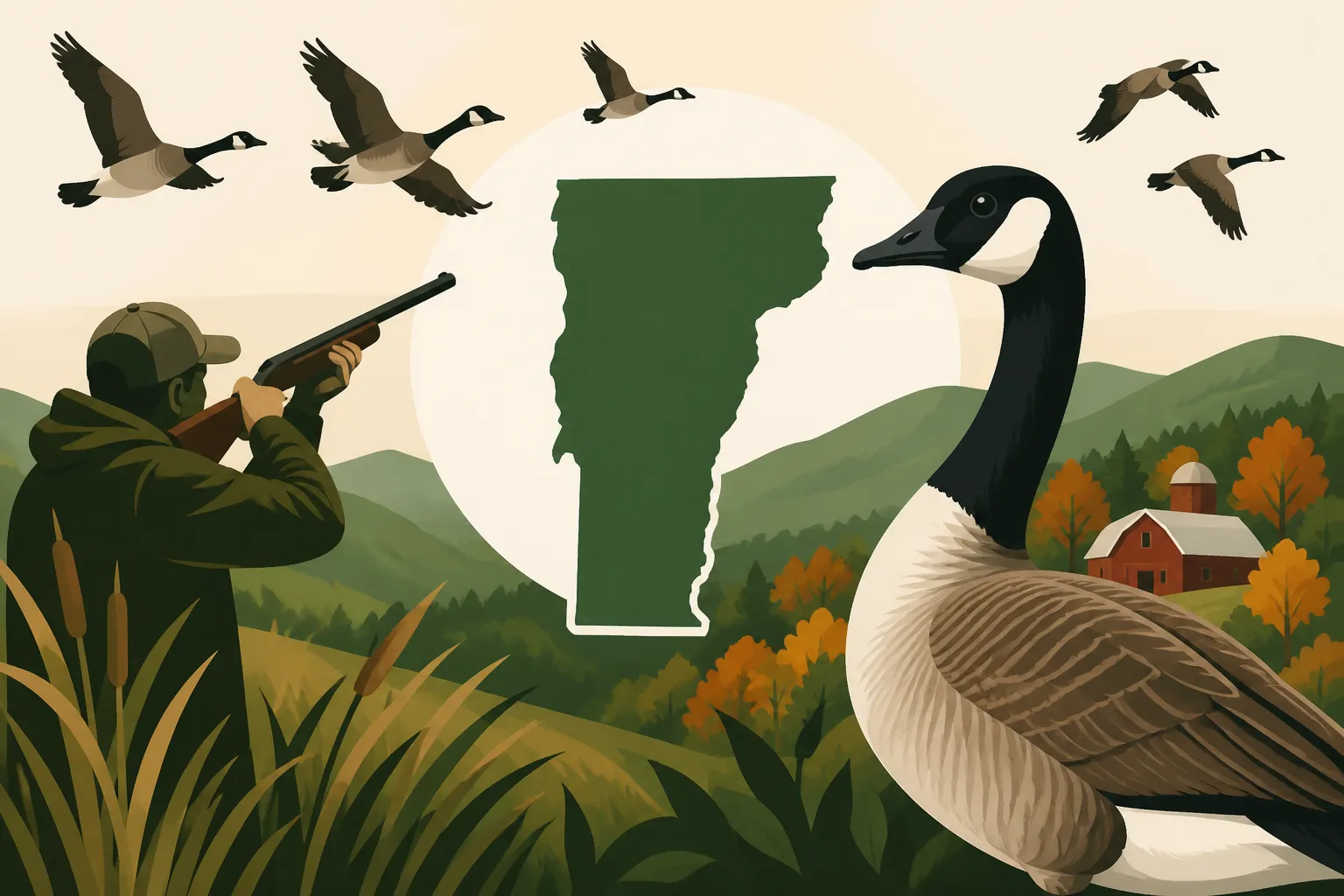
If you've spent any time driving through Vermont, especially in the Champlain Valley or along our bigger river systems, you've undoubtedly noticed them: Canada geese. And it's not just a few stragglers; sometimes it feels like they're absolutely everywhere, taking over farm fields, local ponds, and even suburban parks. This abundance can be both a blessing and a challenge for hunters, and understanding the nuances of Vermont's resident Canada goose population is key to a successful waterfowl season. This guide will dive deep into what makes these local birds unique, where to find them, and how you can be a part of managing their ever-growing numbers.
Understanding Vermont's Resident Canada Goose Population
It's easy to look at a flock of Canada geese and assume they're all just passing through on some epic migratory journey. While Vermont certainly plays host to plenty of those migratory birds, a significant and increasingly common population lives here year-round. These are our resident geese, and they behave quite differently from their transient cousins, offering unique hunting opportunities and management considerations.
How Vermont's Resident Geese Differ from Migratory Birds
The most crucial distinction for hunters lies in their lifecycle and patterns. Migratory Canada geese breed far to our north, often in the remote regions of Quebec and beyond, and only pass through Vermont during their spring and fall journeys to and from southern wintering grounds. They're often on a mission, flying long distances and responding to broad weather fronts. You'll typically see them in massive V-formations high overhead, or congregating in large numbers on major staging areas like Lake Champlain during their push south.
Resident Canada geese, however, were hatched right here in Vermont or in neighboring states, and they spend their entire lives within a relatively small geographical area. They nest along our lakes, rivers, and ponds, raise their goslings in local wetlands, and primarily feed in nearby agricultural fields or grassy areas. Their patterns are much more localized and predictable, often involving daily flights from roosting water to feeding grounds. This local knowledge is incredibly valuable. Knowing that a flock consistently flies from a certain pond to a particular cornfield every morning is information a GoHunt user could track, which can make all the difference when planning a hunt. They aren't driven by the same imperative to migrate thousands of miles, making them, in some ways, a more accessible and consistent target once you've patterned them.
The Growth of Vermont's Resident Goose Population Over Time
The story of the resident Canada goose is a conservation success, but one that has brought its own set of challenges. Decades ago, Canada geese populations were much lower, and extensive conservation efforts, including reintroduction programs and habitat protection, helped bring them back from the brink in many areas. Vermont, with its rich tapestry of waterways and agricultural lands, proved to be ideal habitat. These birds are highly adaptable and thrive in human-modified landscapes, taking advantage of manicured lawns, golf courses, and, most importantly for hunters, abundant farm fields.
Over the years, the population has boomed. Without the long-distance migrations that thin out migratory flocks, resident geese have fewer natural pressures. Their breeding success rates are high, and they often become quite comfortable around people, leading to an ever-expanding presence. This growth has led to a greater need for population management, and that’s where hunters come in. By participating in special early seasons, specifically designed to target these local birds, hunters help mitigate agricultural damage, reduce nuisance issues in urban areas, and ensure a healthier balance within the ecosystem. The state closely monitors Vermont Duck and Goose Numbers to inform these management strategies.
Where Vermont's Resident Geese Tend to Congregate
Resident Canada geese are creatures of habit and convenience, often found where food, water, and security are readily available. You'll most frequently encounter them in a few key habitat types across Vermont. The expansive agricultural fields of the Champlain Valley are prime feeding grounds, especially after corn or silage has been harvested. These vast open spaces offer clear views for feeding birds, allowing them to spot predators from a distance, making them feel secure. Dairy farms, in particular, often attract geese due to spilled grain and rich pastures.
Beyond the fields, large bodies of water like Lake Champlain, its many bays and inlets, and the wider sections of the Connecticut River and its oxbows provide ideal roosting and loafing areas. During the day, they might fly out to feed, returning to these large water bodies at night. Don't overlook smaller, unassuming ponds, especially those near agricultural areas or even suburban developments. These can be surprising hotspots where local flocks gather. Identifying these consistent travel corridors between roosting and feeding sites is a major piece of the puzzle. Using tools like GoHunt can help you scout these areas by layering aerial imagery with property boundaries to identify potential bottlenecks or transition zones between water and fields where geese might be flying low. Remember to always seek permission before venturing onto private land.
Impact of a Robust Resident Goose Population on Hunting Opportunities
The prevalence of resident Canada geese throughout Vermont creates some truly unique and often fantastic hunting opportunities. Unlike the often unpredictable nature of migratory waterfowl, resident geese can be patterned and targeted with a more localized approach, offering consistent action for dedicated hunters.
Extended Seasons and Liberal Bag Limits for Resident Geese
One of the most significant impacts of a thriving resident goose population is the way it influences waterfowl season structures. Vermont, like many states, implements special early seasons specifically designed to target these local birds before the main migratory push begins. These early resident goose seasons often run in September, providing hunters with a fantastic opportunity to get into the field when the weather is still pleasant and the birds are well-established in their routines. These early seasons are also characterized by more liberal bag limits compared to the later regular seasons. This is a direct reflection of wildlife management’s goal to reduce the overall resident population, which helps alleviate agricultural damage and nuisance issues.
It's a win-win: hunters get more time in the field and more birds for the table, while the state benefits from an active hunting community helping manage a species that, without intervention, could become problematic. Understanding these season dates and bag limits is paramount, and resources like GoHunt often update quickly with the latest regulatory information, making it easier to plan your hunts. Keep an eye on announcements regarding Vermont Waterfowl Zones and Seasons as these dates can vary slightly by zone.
Hunting Resident Geese in Agricultural Settings
Hunting resident geese in agricultural settings, particularly cut cornfields or silage fields, can be incredibly rewarding. These birds are often drawn to residual grain and tender regrowth, making these fields their primary feeding grounds. The key here is meticulous scouting. You need to know which fields the geese are using, and more importantly, when they are using them. This often involves early morning drives, watching where flocks pitch down, or observing their flight paths from roosting water.
Once you’ve identified a hot field, securing permission from the landowner is your next critical step. Many farmers are more than happy to have hunters help control goose numbers, as these birds can cause significant crop damage. When setting up, concealment is vital. Layout blinds brushed in with local stubble or natural cover along a fencerow can be incredibly effective. Decoy spreads, ranging from a dozen full-body decoys to a couple dozen silhouettes, can be enough to draw in passing flocks. Remember that these birds are often pressured, so realism in your spread and calling is key. Calling needs to be proficient but not overdone; resident geese that see hunters regularly can become wary of aggressive calling. Patience, good camouflage, and a solid understanding of goose behavior in these environments will pay dividends. This approach to hunting field edges can also apply to Hunting a Champlain Valley Dairy Farm Edge for deer, demonstrating the versatility of agricultural land.
Challenges and Considerations for Hunting Resident Geese
While resident geese offer fantastic hunting, they aren't without their challenges. The very nature of their "resident" status means they often live in closer proximity to human activity, leading to increased pressure and wariness. Geese that have been shot at multiple times throughout the season become incredibly smart. They learn quickly, becoming adept at identifying decoy spreads, spotting blinds, and recognizing suspicious vehicle activity. This means hunters need to be at the top of their game with scouting, concealment, and decoy setups.
Access can also be a significant hurdle. Many prime resident goose habitats, especially agricultural fields and smaller ponds, are on private land. This requires diligence in Knocking on Doors in Champlain Valley Farm Country to secure permission, which can be time-consuming but crucial for success. Additionally, these birds often utilize urban or suburban ponds where hunting is prohibited, finding safe havens from pressure. Hunters must be diligent in understanding property boundaries and local ordinances. Finally, the weather in Vermont, even during the early season, can be unpredictable. You might start in comfortable September temperatures and quickly find yourself needing insulated layers as the hunt progresses, especially for longer sits. Staying updated on daily Vermont Duck Daily Bag Limit regulations is also important, as these can shift slightly year to year.
Conservation and Management of Vermont's Canada Goose Population
Managing a wildlife population as robust and adaptable as Vermont's resident Canada geese requires a thoughtful, multi-faceted approach. Hunters play an indispensable role in this larger conservation picture, directly contributing to the health of the flock and the surrounding environment.
The Role of Hunters in Managing Resident Goose Numbers
It might seem counterintuitive, but hunters are often the most effective and direct conservation tool for managing abundant wildlife populations. For resident Canada geese, whose numbers have grown significantly and whose breeding success is high, regulated hunting is essential for preventing overpopulation. Left unchecked, an excessively large goose population can lead to severe agricultural crop damage, degrade water quality in ponds and lakes through excessive droppings, and outcompete other waterfowl species for vital resources.
By participating in the early resident goose seasons and adhering to established bag limits, hunters help maintain the population at a healthy, sustainable level. Each bird harvested contributes to reducing the overall numbers, which in turn helps keep the remaining geese healthier and reduces their impact on both natural ecosystems and human interests. This is a practical, hands-on form of conservation, directly supporting the ecological balance that Vermont's Fish and Wildlife Department strives to achieve. It’s also crucial that hunters accurately report their harvests; this data is vital for wildlife managers to make informed decisions about future seasons and bag limits. Always remember to get your Vermont Migratory Bird Certification before heading out.
Balancing Population Control with Habitat Preservation
Wildlife managers in Vermont face the delicate task of balancing the need for resident goose population control with ongoing efforts to preserve and enhance waterfowl habitat. While an abundance of geese can be a nuisance, the wetlands and agricultural lands they utilize are also critical for a wide array of other wildlife, including many migratory bird species. The goal isn't to eradicate resident geese but to manage their numbers responsibly so they don't negatively impact these shared resources.
This often involves strategic adjustments to hunting seasons, like the aforementioned early goose season, and targeted management practices on public lands like Wildlife Management Areas (WMAs). Habitat work on WMAs might include planting specific crops beneficial to waterfowl, managing water levels, or creating nesting islands. The intent is to provide healthy ecosystems that can support a diverse range of species without allowing one species, like the resident Canada goose, to dominate to the detriment of others. It’s a complex dance, but one that Vermont is committed to through careful research and active management. You can often find opportunities for Hunting a State-Owned Wetland during various waterfowl seasons.
How Hunters Can Stay Informed on Goose Management
Staying informed about the latest regulations, population trends, and management strategies is critical for any responsible waterfowl hunter. The Vermont Fish and Wildlife Department's website is the primary authoritative source for all season dates, bag limits, and licensing requirements, including details on specific zones like the Vermont Lake Champlain Zone Waterfowl Dates or the Vermont Connecticut River Zone Waterfowl Dates. Regularly checking their publications and news releases ensures you're always operating within the current legal framework.
Beyond official channels, various hunting apps and online communities can also provide valuable, real-time insights from fellow hunters about local conditions, goose movements, and effective tactics. Tools like GoHunt often include mapping features that can overlay public land boundaries and even identify potential habitat, which can be invaluable for scouting. Joining local waterfowl hunting clubs or conservation organizations can also connect you with experienced hunters and offer opportunities to learn more about localized goose behavior and successful hunting strategies. Understanding these resources and actively using them will not only improve your hunting success but also ensure you're a knowledgeable and ethical participant in Vermont's waterfowl management efforts.
Resident vs. Migratory Canada Goose Characteristics
To help clarify the differences that are so crucial for Vermont waterfowl hunters, here's a quick comparison of our resident Canada geese and the migratory birds that pass through.
| Characteristic | Resident Canada Goose | Migratory Canada Goose |
|---|---|---|
| Origin/Breeding | Hatched in Vermont or nearby states; breeds locally. | Hatched far north (e.g., Quebec); breeds there. |
| Movement Patterns | Localized; daily flights between roost and feed. | Long-distance flights; passes through during migration. |
| Habitat Preference | Agricultural fields, suburban ponds, local rivers/lakes. | Major staging areas, large bodies of water, broad flyways. |
| Season Impact | Targeted by early, often liberal, hunting seasons. | Hunted during regular waterfowl seasons. |
| Behavior | Often accustomed to human presence; can be very wary if pressured. | More wild, less accustomed to human activity; driven by migration. |
| Diet | Grazers: grasses, waste grain, young crops. | Similar diet, but focused on available resources during migration. |
This table really drives home why knowing which kind of goose you're dealing with can change your entire approach to a hunt. Whether you're planning for Pass-Shooting Geese on the Connecticut River or Layout Blind Hunting a Champlain Valley Field, understanding these differences gives you a tactical edge.
Disclaimer
This article is for general informational purposes only and does not constitute professional advice. Laws, prices and regulations vary by location and change over time. Consult a qualified professional for guidance on your specific situation.