Waterfowl Hunting Vermont’s Three Zones
Navigating Vermont's waterfowl seasons can feel like trying to land a mallard in a dense cattail marsh – confusing, especially with the state's distinct hunting zones. Many hunters get frustrated trying to decipher regulations that seem to shift not just by date, but by geography. This comprehensive guide is designed to unravel the complexities of waterfowl hunting across Vermont's three unique zones, providing you with the clarity and detailed strategies needed to enjoy more successful days afield, no matter which corner of the Green Mountain State calls to you.
Understanding Vermont's Waterfowl Hunting Zones
Vermont’s approach to waterfowl hunting isn't a "one-size-fits-all" scenario, and for good reason. The state is incredibly diverse, boasting everything from vast lake ecosystems to winding rivers and countless small ponds nestled within its mountains. This rich tapestry of habitats attracts and holds migratory birds differently, necessitating a zone system to manage populations effectively and offer varied hunting opportunities. It can feel like a bureaucratic headache when you’re just trying to plan your season, but understanding the ecological underpinnings helps clarify why these divisions exist. Different zones experience varying migration patterns, habitat availability, and even hunting pressure, all of which influence when and where birds are present.
Why Vermont Divides Its Waterfowl Hunting
The primary reason Vermont partitions its waterfowl hunting into distinct zones is to better align hunting seasons and regulations with the actual migratory patterns and local breeding populations of ducks and geese. Birds arriving from the north, for instance, might stage for longer periods on the expansive waters of Lake Champlain compared to those simply passing through the more confined river systems or smaller interior wetlands. By creating separate zones, the Vermont Fish and Wildlife Department can fine-tune season dates to maximize hunter opportunity while still safeguarding the resource. It also acknowledges the unique ecological characteristics of different regions. For example, the open water and vast marsh systems of the Lake Champlain basin support a different mix of species and greater numbers than the isolated beaver ponds in the interior mountains or the riverine environment of the Connecticut River. This tailored approach allows for more precise management, ensuring sustainable harvests and protecting vulnerable populations.
Overview of the Three Zones
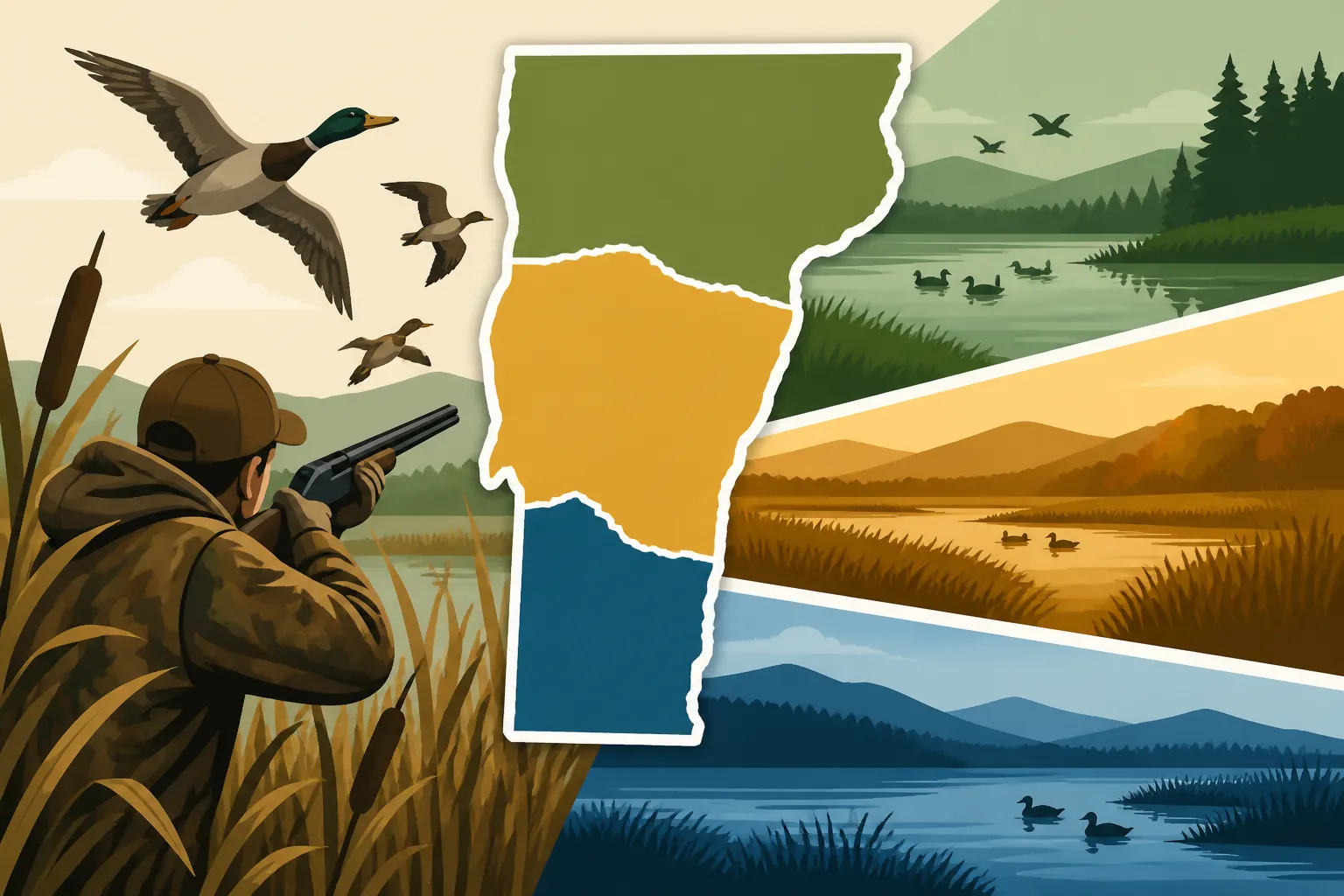
Vermont officially divides its waterfowl hunting into three distinct zones: the Lake Champlain Zone, the Interior Zone, and the Connecticut River Zone. Each zone boasts its own unique geographical characteristics, preferred waterfowl species, and, crucially, specific season dates and bag limits that hunters must adhere to. The Lake Champlain Zone, encompassing the vast lake and its associated wetlands and tributaries, is a major stopover on the Atlantic Flyway, attracting a wide array of ducks and geese. The Interior Zone covers the majority of the state's landmass, characterized by smaller water bodies like ponds, beaver flows, and rivers, offering diverse opportunities for local and migrating dabbling ducks and geese. Finally, the Connecticut River Zone, defined by the river itself and its immediate floodplains, serves as another significant migration corridor, particularly for Canada geese and river-loving ducks. Understanding these broad distinctions is the first step in planning a successful waterfowl season in Vermont. To help visualize the differences, here's a quick overview:
| Zone Name | Key Characteristics | Primary Waterfowl Species | General Season Timing |
|---|---|---|---|
| Lake Champlain Zone | Vast lake, large marshes, river deltas, open water | Mallards, Black Ducks, Canvasbacks, Bluebills, Canada Geese | Split season, often earliest |
| Interior Zone | Smaller ponds, beaver flows, rivers, agricultural | Wood Ducks, Mallards, Black Ducks, Teal, Local Canada Geese | Later opening, consistent |
| Connecticut River Zone | Major river corridor, oxbows, floodplains | Canada Geese, Mallards, Black Ducks, Wood Ducks | Mid-range opening, specific |
The Lake Champlain Zone: A Hunter's Paradise
For many Vermont waterfowlers, the Lake Champlain Zone is the crown jewel, offering some of the most diverse and abundant hunting opportunities in the state. This massive freshwater lake, stretching over 120 miles from north to south, acts as a magnet for migratory birds traveling the Atlantic Flyway. Its sheer size, combined with extensive marshlands, shallow bays, and numerous river deltas, creates an ideal staging and feeding ground for countless ducks and geese. Hunting this zone, however, requires specific strategies and an understanding of its unique environmental dynamics.
Boundaries and Unique Features
The Lake Champlain Zone is easily identifiable, essentially encompassing the entirety of Lake Champlain itself, along with its islands, and extending inland to include the wetlands and tributaries that feed into it. This means areas like the expansive Missisquoi River Delta are included, offering rich habitat that is distinctly different from the main lake basin. The sheer volume of water in Lake Champlain means that ice-up happens much later than in smaller water bodies, extending opportunities for late-season hunting well into December, even when other parts of the state are frozen solid. The lake’s large bays, like Missisquoi Bay and Malletts Bay, create sheltered areas that ducks and geese utilize for resting and feeding, while the vastness of the main lake draws in diver ducks that thrive on open water. The dynamic weather systems over such a large body of water also play a critical role, influencing bird movement and concentration patterns daily.
Hunting Strategies and Prime Locations
Hunting the Lake Champlain Zone often involves specialized tactics designed for open water and expansive marsh environments. Setting up large decoy spreads is common, particularly for decoying ducks on Lake Champlain in deeper water or along marsh edges. Hunters frequently use boats to access prime locations, setting out dozens, if not hundreds, of decoys to attract passing flocks. When targeting geese in the Champlain Valley, especially in agricultural areas, layout blind hunting a Champlain Valley field is a highly effective tactic. These low-profile blinds allow hunters to conceal themselves among stubble fields, drawing in wary Canada geese that are feeding on leftover grains.
For those without extensive boat setups, focusing on the numerous smaller bays, river mouths, and even jump-shooting a Vermont creek that flows into the lake can provide excellent opportunities. Areas like the Dead Creek Wildlife Management Area in Addison are renowned for their managed wetlands and agricultural fields, often requiring special permits or drawing systems to hunt due to their popularity and productive nature. To really pinpoint these prime locations and understand property boundaries, using a robust mapping app like GoHunt can give you a significant edge, helping you scout public access points and visualize habitat features from afar.
Key Species and Season Dynamics
The Lake Champlain Zone is particularly renowned for its diverse mix of waterfowl. Mallards and geese on Lake Champlain are abundant, providing consistent opportunities throughout the season. However, you'll also encounter substantial numbers of diver ducks like canvasbacks, bluebills (scaup), and common goldeneyes, especially during the colder months when they congregate on the open water. Black ducks and various species of teal, like green-winged teal, are also common, utilizing the marshy edges and shallow bays.
The season dynamics in this zone are often characterized by a "split season." This means there's an initial early season, usually in October, followed by a closure, and then a re-opening for a longer stretch that typically runs from early November into December. This split is designed to allow local birds to disperse and new migratory birds to arrive, enhancing hunting opportunities later in the year. Strong northwesterly winds and cold fronts are often key weather events that trigger major migrations, bringing in fresh birds and creating some of the best hunting days in the zone. Hunters keenly watch weather forecasts, knowing that a significant drop in temperature or a strong nor’easter can completely change bird concentrations overnight.
The Interior Zone: Diverse Opportunities
While Lake Champlain often steals the spotlight, Vermont's Interior Zone offers a completely different, yet equally rewarding, waterfowl hunting experience. This zone, which essentially covers every part of the state not designated as Lake Champlain or Connecticut River, is a patchwork of smaller lakes, winding rivers, countless beaver ponds, and agricultural fields nestled amongst the rolling hills and mountains. It's a zone that demands a different skillset and approach, often rewarding the more adventurous and observant hunter with intimate, action-packed hunts.
Geographic Scope and Habitat Diversity
The Interior Zone is, by far, the largest of Vermont's waterfowl hunting zones, encompassing the Green Mountains, the Northeast Kingdom's vast forests, and the patchwork of farms in between. Unlike the massive, uniform body of Lake Champlain, the habitat here is incredibly diverse and often localized. You'll find everything from secluded mountain ponds and extensive beaver flowages, which are prime habitat for wood ducks and local mallards, to larger impoundments like Lake Bomoseen or Lake Dunmore, which might hold a mix of dabblers and divers. Rivers like the Lamoille, Winooski, and Otter Creek offer excellent jump-shooting opportunities and provide corridors for migrating birds. The agricultural landscapes, particularly in areas like the Champlain Valley (though technically bordering the Lake Champlain Zone, many interior fields act similarly), also draw in local geese. This diversity means that scouting is absolutely paramount here; what works in one corner of the zone might not apply just a few miles away.
Tactics for Interior Waterfowl
Hunting tactics in the Interior Zone are often more intimate and smaller-scale than those employed on Lake Champlain. Instead of large open-water spreads, hunters here might focus on setting a handful of decoys on a farm pond, targeting birds that are seeking food or isolated resting spots. Hunting a beaver flowage edge at dusk is a classic Interior Zone strategy, as wood ducks in particular love these sheltered, food-rich environments. The quiet approach is key here; often, you're looking to ambush birds rather than draw them from miles away.
Jump-shooting is incredibly popular and effective in the Interior Zone. Walking along smaller creeks, rivers, or through marshy areas can surprise ducks and geese, providing fast-paced, exciting opportunities. Hunters also target birds feeding in agricultural fields, using field edges or natural cover for concealment, especially if a corn or grain harvest has just occurred. You might even find success hunting a grain bin adjacent woodlot where ducks and geese are coming to feed on spilled kernels. The key is to be mobile, adaptable, and willing to explore. Using a mapping application like GoHunt can be invaluable for identifying potential water bodies, agricultural fields, and public access points in what can otherwise feel like an overwhelming expanse of territory.
Species and Seasonal Considerations
The Interior Zone predominantly offers opportunities for dabbling ducks and local Canada geese. Wood ducks are a huge draw, especially early in the season, with their vibrant plumage and acrobatic flight. Mallards, black ducks, and various species of teal are also common, utilizing the smaller water bodies and river systems. While diver ducks are less prevalent here compared to Lake Champlain, you might encounter small groups on larger inland lakes.
The seasonal progression in the Interior Zone often starts with a focus on local birds in September, particularly wood ducks. As the season progresses into October and November, migratory birds begin to filter through. However, unlike Lake Champlain, the smaller water bodies in the Interior Zone are much more susceptible to early ice-up. This means that prime hunting opportunities can be condensed, often concluding earlier than in the Lake Champlain Zone. Therefore, taking advantage of the Hunting the Regular Archery Opener in October can offer some fantastic combined opportunities. Hunters need to pay close attention to overnight temperatures and ice formation, as a prime spot one week might be completely frozen and unproductive the next. This rapid change necessitates constant scouting and a willingness to adapt your plans quickly.
The Connecticut River Zone: Eastern Flyway Action
The Connecticut River forms Vermont's entire eastern border with New Hampshire, creating its own distinct waterfowl hunting zone. This powerful river, the longest in New England, is a significant migration corridor on the Atlantic Flyway, attracting a strong contingent of both ducks and geese. Hunting here offers a unique blend of riverine challenges and rewards, distinct from both the expansive waters of Lake Champlain and the intimate settings of the Interior Zone.
Defining the Eastern Border
The Connecticut River Zone is defined by the river itself, from the Quebec border in the north down to Massachusetts in the south, including all its associated oxbows, backwaters, and immediate floodplains. Because the river serves as the state boundary, the regulations on the Vermont side can sometimes differ from those in New Hampshire, making it crucial for hunters to be aware of which side of the river they are operating on. This mighty waterway acts as a natural highway for migrating waterfowl, guiding them south in the fall and north in the spring. Its width, varying currents, and numerous islands and sandbars create diverse habitat, from fast-moving main channels to slow, marshy oxbows that hold different species of birds. The surrounding agricultural lands in the river valley also play a critical role, drawing geese and puddle ducks to feed.
Riverine Hunting Techniques
Hunting the Connecticut River often involves tactics tailored to a flowing water environment. Pass-shooting geese on the Connecticut River is a popular and effective method, as large flocks of Canada geese frequently fly up and down the river, often moving between roosting areas and feeding fields. Hunters set up in strategic locations along the riverbanks, on islands, or even in boats anchored in specific spots, waiting for birds to fly within range. Decoying can also be highly effective, especially when targeting ducks or geese that are utilizing oxbows, quiet coves, or feeding in adjacent fields. Setting up decoy spreads along river edges or on sandbars can draw in birds looking for resting or feeding opportunities.
Boat hunting is common, allowing access to various stretches of the river and facilitating decoy deployment and retrieval. However, safety on a large, often fast-moving river is paramount, especially during colder weather. Understanding river currents, potential hazards like submerged logs, and safe boating practices are non-negotiable. For those hunting from shore, scouting for good vantage points, natural cover, and access points along the river is crucial. Often, getting permission from private landowners bordering the river is key to accessing prime spots.
Notable Species and Migration Patterns
The Connecticut River Zone is particularly known for its strong Canada goose presence. Both local populations and vast numbers of migratory geese use the river as a major thoroughfare and staging area. Hunters often see impressive flights of geese, especially during the peak of migration in October and November. Mallards and black ducks are also common, frequenting the quieter backwaters and feeding along the river's edges. Wood ducks can be found in the smaller tributaries and oxbows, especially early in the season.
The migration patterns here are heavily influenced by the larger Atlantic Flyway. Cold fronts from the north will push new waves of birds down the river. Water levels can also significantly impact hunting; high water might flood agricultural fields, creating new feeding opportunities, while low water can expose sandbars that become popular loafing spots for geese. As with other zones, hunters keep a close eye on weather patterns, but also on river conditions, often consulting USGS water data to anticipate how birds might be using the river system. This zone offers a consistent and often high-volume hunting experience, particularly for those focused on geese.
Essential Gear and Strategies for Vermont Waterfowl
Waterfowl hunting in Vermont, whether you're navigating the vastness of Lake Champlain, the intimate settings of the Interior Zone, or the flowing waters of the Connecticut River, demands specific gear and well-honed strategies. Being properly equipped and understanding how to apply different tactics can make the difference between a frustrating day and a memorable hunt. The unpredictable Vermont weather, combined with varied terrain, means adaptability is key, and your gear selection should reflect that versatility.
Decoys, Blinds, and Calls
Your decoy spread is often your primary tool for attracting waterfowl. For decoying ducks on Lake Champlain, you might need large spreads, sometimes dozens or even hundreds of decoys, to be visible over the expansive water. Different species require different approaches; divers like bluebills respond well to large rafts of dark decoys, while mallards and black ducks prefer more realistic, life-like spreads near shore. When targeting geese in fields, layout blind hunting a Champlain Valley field demands flat, realistic decoys – full bodies or silhouettes – scattered in feeding patterns. Natural cover blinds, boat blinds, or even simple marsh seats can be effective depending on the environment.
Calls are equally crucial. Mastering a few key calls for mallards (feed call, greeting call, comeback call) and Canada geese (honks, clucks, murmurs) can significantly increase your success. It’s not just about making noise, but about speaking the birds' language and understanding when to call and when to be quiet. Sometimes, a subtle chuckle from a goose call is more effective than aggressive honking. When you're trying to figure out the best decoy setup for a particular field or body of water, using a mapping tool that allows you to mark potential blind locations and visualize flight paths, like GoHunt, can give you a tactical advantage before you even set foot on the ground.
Clothing, Footwear, and Safety
Vermont's weather is famously fickle, especially during the fall and early winter. Proper layering for Vermont's long hunting season is essential. You'll need good quality base layers to wick away moisture, insulating mid-layers for warmth, and a waterproof, windproof outer shell. Waterfowl-specific camouflage patterns, often darker or marsh-grass themed, are ideal. For wading in marshes or deploying decoys in shallow water, reliable waders for Vermont waterfowl hunting are non-negotiable. Chest waders are typically preferred for deeper water and better insulation against the cold, while hip waders might suffice for shallower creek crossings.
Safety should always be paramount. When hunting from a boat, U.S. Coast Guard-approved Personal Flotation Devices (PFDs) are legally required and critical for survival in cold water. A well-stocked first-aid kit, a reliable waterproof GPS or a mapping app with offline capabilities, and a fully charged cell phone (though service can be spotty in remote areas) are vital. Even though blaze orange isn't required when actively hunting waterfowl, it's wise to wear it while walking to and from your blind, especially during the rifle season overlap when other hunters might be in the woods.
Firearms and Ammunition
For waterfowl hunting in Vermont, as with all states, only non-toxic shot is allowed. This means lead shot is strictly prohibited. Steel shot is the most common and economical choice, but bismuth and tungsten-matrix alternatives offer better performance (denser, harder hitting) at a higher cost. The specific shot size will depend on the species you're targeting; larger shot (like BB or #2) is often used for geese, while smaller shot (like #3 or #4) is preferred for ducks.
Most hunters use 12-gauge shotguns, which offer a good balance of power and pellet count. Some opt for 10-gauge for larger loads, while 20-gauge can be effective for closer shots, especially with younger hunters or those sensitive to recoil. Regardless of your chosen firearm, it’s critical to pattern your shotgun with your chosen ammunition before the season. This involves shooting at paper targets at various distances to understand how your choke and load perform, ensuring you're making clean, ethical kills. Understanding your effective range prevents crippling birds and ensures a more responsible hunting experience.
Navigating Regulations and Permits
The administrative side of waterfowl hunting in Vermont can sometimes feel as complex as reading a duck's flight path. From purchasing the correct licenses to understanding zone-specific bag limits and federal requirements, there's a fair amount to keep track of. Ignoring these rules isn't just irresponsible; it can lead to hefty fines and loss of hunting privileges. A little homework before the season begins can save a lot of headaches later on.
Licensing and Federal Requirements
To legally hunt waterfowl in Vermont, you'll need a combination of state and federal permits. First and foremost, every hunter needs a base Vermont hunting licenses and what they cost. For waterfowl, you'll also need a Vermont Migratory Bird Certification, which essentially registers you with the state as a migratory bird hunter. This certification helps the Vermont Fish and Wildlife Department gather vital harvest data. On top of that, you are required to purchase a Vermont Federal Duck Stamp Requirement. This stamp, issued by the U.S. Fish and Wildlife Service, is a critical piece of conservation funding, with 98 cents of every dollar going directly to acquiring and protecting wetland habitat for ducks, geese, and other wildlife. Finally, you must also be HIP (Harvest Information Program) certified, which is a simple survey taken when you purchase your migratory bird license, providing crucial data for population management. For youth hunters, there are specific Hunting the Youth Waterfowl Weekend rules and licensing exemptions that encourage participation, making it easier for new generations to get involved in the sport.
Bag Limits and Zone-Specific Rules
Understanding Vermont Duck and Goose Bag Limits is paramount. These limits are set to ensure sustainable harvest and vary not only by species but can sometimes differ slightly between zones, or even within certain periods of a zone's season. For instance, while the overall mallard limit might be consistent, there might be specific restrictions on the number of hen mallards you can take. Similarly, species like pintail, canvasback, or black ducks often have more restrictive individual bag limits due to their population status.
The most critical aspect is knowing the season dates for the specific zone you are hunting in – Lake Champlain, Interior, or Connecticut River. These dates can open and close at different times, and the Lake Champlain Zone, as mentioned, often has a split season. Always double-check the most current Vermont Fish and Wildlife hunting guide or their official website before each season, as regulations can change annually. Ignoring these details can lead to unintended violations, so meticulous planning is essential.
Ethical Considerations and Waterfowl ID
Beyond the written rules, ethical hunting practices are fundamental to waterfowl hunting. One of the most important principles is positive identification before shooting. In the heat of the moment, it can be tempting to shoot at anything that flies, but responsible hunters take the time to identify the species, ensuring it's a legal bird and that they don't exceed bag limits for specific ducks. This is especially true for similar-looking species or protected birds.
Avoiding "sky-busting" – shooting at birds that are too far out of range – is another crucial ethical practice. It often results in crippled birds that cannot be recovered, which is a waste of the resource. Only shoot at birds within your effective range, and always make every effort to retrieve all downed birds. Using a trained retriever is not only incredibly effective but also adds another layer of joy to the hunt. Leaving no trace behind, picking up all spent shotgun shells and any other trash, ensures that hunting spots remain pristine for others and reflects positively on the hunting community as a whole.
Public Land Access and Scouting for Waterfowl
Finding prime waterfowl hunting locations in Vermont can feel like searching for a needle in a haystack, especially if you're new to the area. However, Vermont boasts a significant amount of public land that provides excellent access to waterfowl habitat. The key to success often lies in thorough scouting, understanding different types of public land, and knowing how to interpret what you see (and don't see) in the field.
Finding Waterfowl Hotspots on Public Ground
Vermont offers numerous opportunities for hunting a State-Owned Wetland through its extensive network of Wildlife Management Areas (WMAs). These WMAs, such as the Dead Creek WMA in Addison County or the Missisquoi National Wildlife Refuge (which operates under federal rules and often requires special permits), are specifically managed to enhance waterfowl habitat and provide public hunting access. These areas often feature managed impoundments, carefully maintained agricultural fields, and extensive marsh systems that attract and hold large numbers of ducks and geese. The Vermont Fish and Wildlife Department actively works to improve these areas, making them incredibly productive.
Beyond WMAs, many state forests and other public lands may contain smaller ponds, beaver flowages, or river access points that can be fantastic for waterfowl. The trick is identifying these water bodies and then scouting Vermont public land before season to understand bird activity. Mapping applications like GoHunt or onX Hunt are invaluable tools for this. They allow you to overlay public and private land boundaries, pinpoint water features, and analyze topography, helping you identify potential hotspots and plan your access routes efficiently, even without cell service in some remote areas.
Scouting Strategies
Effective waterfowl scouting is about more than just looking for birds. It involves understanding their patterns, their preferences, and how they react to pressure. Begin by identifying potential roosting areas – large, undisturbed bodies of water where birds feel safe to spend the night. Then, locate their feeding grounds, which might be agricultural fields, natural marshes, or flooded timber rich in acorns or other natural foods. Observing flight paths between these roosting and feeding areas will reveal key travel corridors, which are excellent places to set up.
Reading a marsh for a morning flight involves observing bird movements at dawn and dusk. Are they flying into a specific corner of the marsh? Are they landing in a certain type of vegetation? Look for fresh droppings, disturbed mud, and feather sign that indicate recent activity. Pay attention to wind direction, as birds typically land and take off into the wind. This will help you position your decoys and blind for optimal presentation. Sometimes, even a simple drive around an area can reveal birds in fields or on ponds, giving you a starting point for more detailed, on-foot scouting. Don't be afraid to put in the miles before the season, as a well-scouted location can lead to consistently productive hunts.
Respecting Private Land Boundaries
While public land offers many opportunities, Vermont also has significant private land holdings, many of which contain excellent waterfowl habitat, especially agricultural fields where geese and dabbling ducks feed. It is absolutely essential to understand and respect Vermont trespass and permission law. Hunting on private land without explicit permission from the landowner is illegal and can damage the reputation of all hunters.
The best way to gain access to private land is simply to ask. Knocking on doors in Champlain Valley farm country, for example, can open up access to highly productive goose fields or secluded ponds. Be polite, dress respectfully, and be prepared to offer to share some of your harvest. Always get clear permission, and ideally, have it in writing, especially if you plan to hunt multiple times. Even if you don't hunt on private land, you may need to retrieve a downed bird that falls on adjacent private property. In Vermont, if you've legally harvested game that crosses a property line, you generally have the right to retrieve it, but you must make a reasonable effort to contact the landowner first. This act of courtesy is vital for maintaining positive landowner-hunter relations and ensuring future access for everyone.
Conservation and Ethical Hunting Practices
Waterfowl hunting in Vermont, like all hunting, is deeply intertwined with conservation. Hunters are often the first line of defense for wildlife and habitat, and our traditions are built on a foundation of responsible stewardship. Engaging in ethical practices and understanding our role in conservation isn't just about following rules; it's about ensuring the future of the sport and the health of the ecosystems we cherish.
The Role of Hunters in Conservation
For decades, waterfowl hunters have been instrumental in the funding and preservation of wetlands across North America. Every time you purchase a hunting license or a Federal Duck Stamp, you are directly contributing to the acquisition, restoration, and management of crucial habitat for ducks, geese, and countless other wetland-dependent species. This user-pay, user-benefit model is one of the most successful conservation funding mechanisms in the world. The Vermont Waterfowl Banding Programs also rely on hunter participation. When hunters recover banded birds and report the band numbers, they provide invaluable data to biologists about migration routes, survival rates, and population dynamics, all of which are essential for informed management decisions.
Furthermore, hunters often act as citizen scientists, reporting unusual bird observations, disease outbreaks, or habitat concerns to the Vermont Fish and Wildlife Department. Our eyes and ears in the field provide critical real-time information that state agencies might otherwise miss. Supporting conservation organizations like Ducks Unlimited, the Delta Waterfowl Foundation, or even local Vermont conservation groups further solidifies this commitment, extending our impact beyond license fees to direct habitat projects and advocacy.
Minimizing Impact and Maximizing Recovery
Ethical hunting goes beyond legal compliance; it’s about minimizing our impact on the environment and ensuring humane, responsible harvests. Using a trained retriever is a prime example of maximizing recovery. A well-trained dog can find downed birds in dense cover or open water that a human hunter might never locate, preventing waste and ensuring that every ethically taken bird is brought to hand. Choosing appropriate shot sizes and patterning your shotgun are also critical components of ethical hunting. A properly patterned shotgun with the right shot size for your target species dramatically increases the likelihood of a clean, one-shot kill, reducing the chance of crippling birds.
Beyond the shot, leaving no trace is essential. This means picking up all spent shotgun shells, decoy lines, and any other garbage you bring into the field. Our goal should be to leave a hunting spot cleaner than we found it. Avoiding disturbance to non-target wildlife, respecting agricultural fields and other private property, and generally acting as responsible stewards of the land all contribute to minimizing our footprint and fostering positive relationships with landowners and non-hunters alike.
Ensuring Future Generations Can Hunt
One of the most profound ethical responsibilities of any hunter is to safeguard the future of hunting for generations to come. This means actively mentoring new hunters, sharing knowledge, and instilling in them a deep respect for wildlife, conservation, and ethical conduct. Taking a youngster out during Hunting the Youth Waterfowl Weekend is an excellent way to introduce them to the sport in a supportive and dedicated environment. Teaching proper gun safety, waterfowl identification, calling techniques, and the importance of conservation are all crucial parts of this mentorship.
It also involves being an ambassador for hunting in general. In an increasingly urbanized society, many people have little understanding of hunting or its role in conservation. By demonstrating responsible behavior, adhering to regulations, and articulating the positive impact of hunting on wildlife populations and habitat, we can help educate the public and foster broader appreciation for our traditions. Supporting organizations that advocate for hunting rights and responsible land use is another way to ensure that the opportunities we enjoy today will still be available for our children and grandchildren.
Disclaimer
Please note: Hunting regulations and season dates are subject to change annually. Always consult the most current Vermont Fish and Wildlife Department official regulations guide or website before heading afield. This guide provides general information and should not be considered a substitute for official legal documentation.