Hunting Vermont’s New Archery-Rifle Overlap
The changing landscape of deer hunting in Vermont can often feel like trying to hit a moving target, especially with new regulations that shift the boundaries of traditional seasons. One of the biggest shake-ups for bowhunters in recent memory has been the introduction of the archery-rifle overlap, a period where you can legally pursue deer with a bow while rifle hunters are also in the woods. This guide aims to clear up the confusion and equip you with the knowledge and strategies to navigate this unique hunting window safely and successfully.
Understanding Vermont's Archery-Rifle Overlap
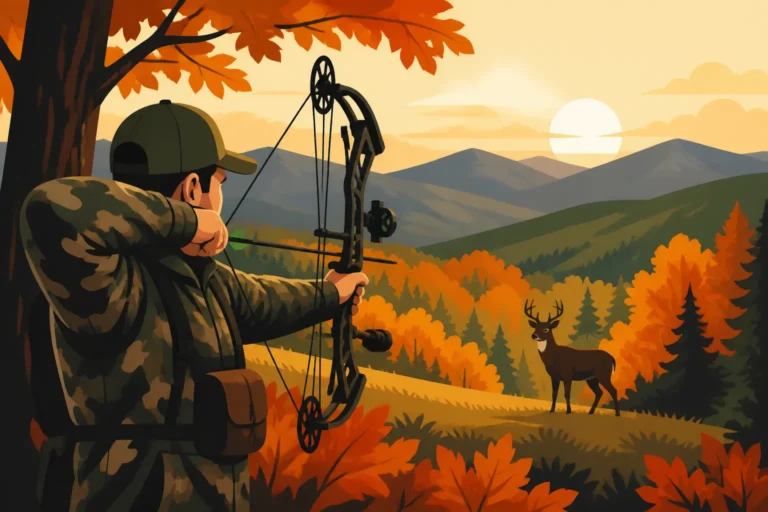
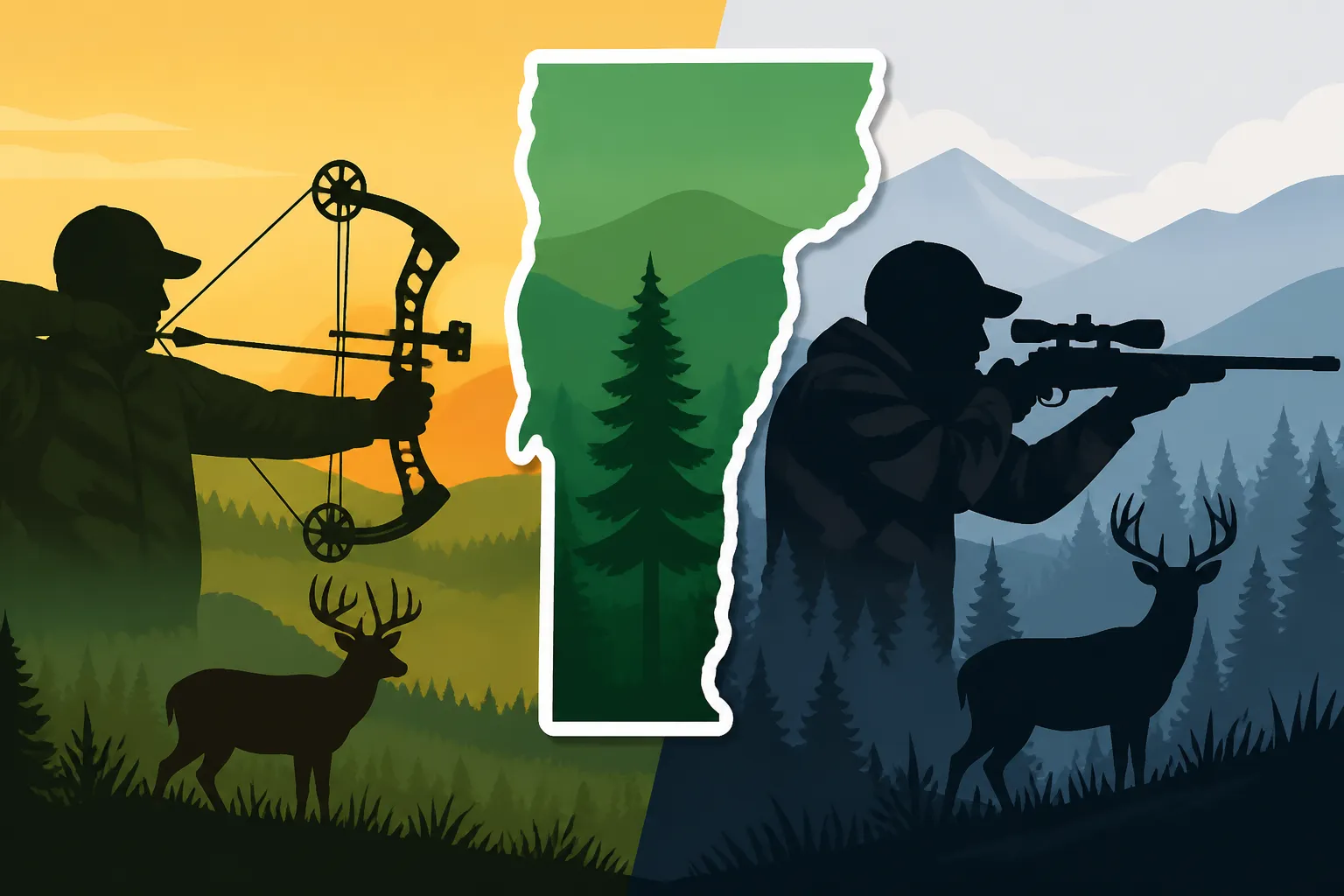
For years, Vermont hunters operated under distinct season structures: archery, then rifle, then muzzleloader. Each had its clear boundaries, and bowhunters often relished the early season, knowing they had the woods to themselves before the firearms seasons opened. That all changed with the advent of the archery-rifle overlap, a significant shift designed to offer more hunting opportunity and adapt to modern deer management goals. This new rule allows licensed archery hunters to continue hunting deer with a bow and arrow during a portion of the regular November rifle season. It's a progressive move that many other states have adopted, and while it brings new opportunities, it also ushers in a new set of considerations for hunters.
The Rationale Behind the Overlap
The Vermont Fish & Wildlife Department continually evaluates hunting regulations to manage deer populations, provide recreational opportunities, and respond to hunter feedback. The decision to implement an archery-rifle overlap was multi-faceted. One primary goal was to increase hunter opportunity, particularly for archers who might prefer to hunt during the peak of the rut, which often falls squarely within the rifle season. By allowing bowhunters to stay in the woods, it broadens the window for deer harvest, potentially aiding in localized deer management efforts without significantly impacting the traditional rifle season. It acknowledges that modern archery equipment and hunter skill have evolved, making bowhunting an effective tool even when sharing the woods with firearms hunters. Plus, it brings Vermont more in line with hunting regulations seen in neighboring states, offering a more consistent experience for hunters who might travel or compare regulations.
When the Overlap Typically Occurs
The specific dates for the archery-rifle overlap can vary slightly from year to year, so it's absolutely crucial to check the most current Vermont Fish & Wildlife digest before heading into the woods. Generally, this period aligns with the latter half of Vermont's two-week regular rifle season, which usually takes place in November. This timing is significant because it often coincides with the peak of the whitetail rut in many parts of the state. Imagine being able to chase a lovesick buck with your bow during a time when traditionally, you'd be limited to a rifle or waiting for muzzleloader season. It presents a thrilling opportunity, but also demands heightened awareness and adherence to safety protocols. For a full picture of all the seasons, make sure to read up on Vermont's New Archery-During-Rifle Overlap Rule. Knowing the exact dates is your first step to planning a safe and productive hunt.
Key Regulations and Safety Protocols
When you're out there during the archery-rifle overlap, it's not just about knowing when you can hunt, but how you can hunt, and what specific rules are in place to keep everyone safe. This isn't your typical archery season where camo is king and stealth is the only concern. The presence of rifle hunters changes the entire dynamic, and Vermont has specific regulations to address this mixed-weapon environment. Ignoring these rules isn't just a risk to your hunt; it's a risk to your safety and the safety of others.
Mandatory Blaze Orange Requirements
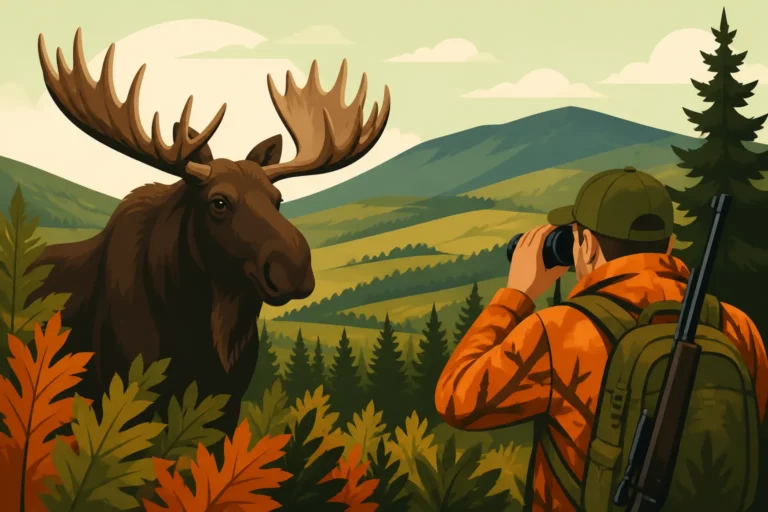
This is perhaps the most critical distinction for bowhunters during the overlap period. During the regular firearms season, all hunters, regardless of weapon choice, are required to wear blaze orange. For archery hunters, this means stowing away your favorite camo patterns and donning highly visible hunter orange. The current regulation mandates wearing at least 50% of an outer garment above the waist in blaze orange, as well as a blaze orange head covering. This isn't just a suggestion; it's the law, and it's designed to make you easily identifiable to other hunters, dramatically reducing the risk of accidental shootings. Think about it: a deer in brown camouflage is almost impossible to spot against the backdrop of Vermont's fall woods, but a hunter in vibrant orange stands out. Even if you're bowhunting from a treestand, the blaze orange is essential. It's about maximizing visibility and mitigating risk in a very busy time of year. Don't compromise on this, even if you feel it gives away your position – safety always comes first. For more detailed information, look into Blaze Orange Requirements.
Legal Weapons and Ammunition Restrictions
During the overlap, while you as an archer are restricted to bow and arrow, rifle hunters are using firearms. It's essential to understand that while you're sharing the woods, the rules for your equipment don't change just because firearms are present. You must still adhere to all standard Vermont archery regulations. This means no crossbows unless you have a specific permit (e.g., a disabled hunter permit), and your bow must meet the minimum draw weight requirements. Broadheads must also be legal for hunting deer in Vermont. You can't suddenly carry a firearm for self-defense or as a secondary weapon just because it's rifle season. Conversely, a rifle hunter cannot use archery equipment during this time unless they also hold a valid archery license and are following all archery rules, including the blaze orange. This clear distinction prevents confusion and ensures each hunter category abides by their specific weapon regulations. It's all about keeping things clear: if you're bowhunting, you're a bowhunter with a bow, even if rifle shots are echoing through the timber.
Tagging and Reporting Requirements
The tagging and reporting process for deer harvested during the archery-rifle overlap follows the same protocols as any other deer harvested in Vermont. Once you've successfully harvested a deer with your bow, you must immediately attach your valid archery tag to the deer. This tag must be filled out completely and accurately, showing the date, time, and specific location of the kill. Following that, you are required to report your deer within 48 hours of harvest. Vermont offers several convenient ways to do this, including online reporting via the Fish & Wildlife Department's portal or through their official app. You can also visit an authorized deer check station. It's imperative that you complete this step promptly and correctly. The data collected from reported harvests is crucial for the department's biologists to monitor deer populations, assess herd health, and make informed decisions about future regulations, including the continuation and structure of seasons like the archery-rifle overlap. Understanding Reporting a Deer Through Vermont's App can make this process even smoother.
| Requirement/Feature | Archery-Only Season (e.g., September/October) | Archery-Rifle Overlap (November) |
|---|---|---|
| Legal Weapon | Bow and arrow | Bow and arrow (for archers) |
| Blaze Orange | Not required (Camo typically worn) | Mandatory |
| Minimum Draw Weight | Yes, standard VT regulations apply | Yes, standard VT regulations apply |
| Crossbows | Permit required | Permit required |
| Bag Limit | Dependent on licenses/WMU | Dependent on licenses/WMU (e.g., bonus antlerless) |
| Tagging | Immediately after harvest | Immediately after harvest |
| Reporting | Within 48 hours | Within 48 hours |
| Other Hunters Present | Primarily archers | Archery and rifle hunters |
Strategic Advantages for Archery Hunters
The archery-rifle overlap isn't just a regulatory hurdle; it's a unique opportunity that, when approached strategically, can significantly enhance your chances of success as a bowhunter. While the presence of rifle hunters can seem daunting, it can also play directly into the hands of a savvy archer who understands deer behavior and hunter dynamics. This period, especially as it often aligns with the peak rut, presents scenarios that aren't available during the archery-only window.
Capitalizing on the Rut
The biggest boon of the archery-rifle overlap is undoubtedly the timing. Falling in mid-November, this window often perfectly coincides with the peak of the whitetail rut in Vermont. Bucks are on the move, actively seeking does, often throwing caution to the wind in their pursuit. This means increased daytime movement, a phenomenon that can be rare during other parts of the season. As an archer, having the opportunity to hunt a fully active rut with your bow is a dream come true. You might see more deer, and those deer, particularly mature bucks, might be less inhibited by their usual nocturnal tendencies. This is when rattling, grunting, and even decoying can become incredibly effective. If you’ve spent your early archery season seeing only does and small bucks, the overlap can introduce you to the bigger, older bucks that have been holding tight in thick cover. For a deep dive into deer behavior during this exciting period, consider reading Hunting the Rut in Early-to-Mid November.
Deer Movement Driven by Rifle Pressure
While rifle hunters might seem like competition, their presence can actually work to your advantage. Increased hunter activity in the woods can push deer out of traditional bedding areas and into thick, dense cover where they feel safer. These areas, often too thick for a rifle shot, become ideal ambush points for a bowhunter. Deer will also often use specific escape routes or travel corridors to avoid pressure, creating predictable funnels. By carefully scouting these transition zones and understanding how deer react to pressure, you can position yourself for success. Imagine a deer herd moving through a timber block to escape pressure on an adjacent open ridge. If you're set up quietly and patiently in the thick stuff along their escape route, your chances of an archery shot increase. This isn't about avoiding rifle hunters entirely, but understanding how their activity influences deer behavior and using that knowledge to your benefit.
Targeting Overlooked Sanctuaries
During the hustle and bustle of rifle season, many hunters gravitate towards easily accessible areas, logging roads, or clearings. This often leaves certain parcels of thick, difficult-to-access cover largely untouched. These overlooked sanctuaries become prime bedding and hiding spots for deer seeking refuge from the increased pressure. As a bowhunter, with the inherent advantage of being able to hunt silently and effectively in dense woods, you can target these areas. This might mean walking a little further, navigating steeper terrain, or pushing into thicker tangles that most rifle hunters avoid. Utilize tools like GoHunt or other mapping apps to identify these overlooked pockets of cover, especially those surrounded by more open, easily hunted terrain. Often, these sanctuaries are adjacent to food sources, creating natural travel routes as deer move between security and sustenance. The key is to think like a pressured deer and anticipate where they will go to feel safe.
Challenges and Considerations for Overlap Hunting
While the archery-rifle overlap offers exciting new possibilities, it's not without its complexities. The shared woods bring a different dynamic, and understanding these challenges is key to a safe, enjoyable, and successful hunt. It’s not just about wearing blaze orange; it’s about anticipating how the woods will feel and how other hunters might behave.
Increased Hunter Density and Pressure
Let's be realistic: November in Vermont is traditionally a busy time in the deer woods, and adding archers to the mix only increases the overall hunter density. This means more trucks at trailheads, more footsteps on logging roads, and a higher likelihood of encountering other hunters, whether they're carrying a rifle or a bow. Increased pressure can make deer more nocturnal, skittish, and less predictable in their movements. You might find that your favorite early-season stand location, once a hotspot, is now on a well-traveled route for other hunters. This demands a change in strategy, often pushing you further into less accessible areas or forcing you to adapt your tactics to hunt during times of lower pressure, like midday. Scouting before the season, even with the aid of mapping software or services like GoHunt, is paramount to finding those pockets of less-pressured deer. Understanding Hunting Pressure on Vermont Public Land is vital for adapting to this reality.
Navigating Different Hunting Styles and Ethics
The overlap brings together hunters with different traditions, equipment, and sometimes, different expectations. Rifle hunters might employ deer drives, still-hunting large tracts, or sit in elevated blinds overlooking fields. Bowhunters, on the other hand, often rely on stealth, patience, and close-range encounters. This difference in styles can sometimes lead to misunderstandings or ethical clashes if not approached with respect and awareness. For example, a rifle hunter doing a drive might push deer directly towards a waiting bowhunter, which could be a boon, or it could feel like their hunt was disrupted. Conversely, a bowhunter quietly still-hunting might unknowingly move through an area where rifle hunters are set up. Communication, if possible, is always a good idea, but most importantly, practicing utmost respect for other hunters' space and methods is critical. Everyone is out there for the same reason – to enjoy the outdoors and pursue deer – and a shared understanding makes the experience better for all.
Ethical Shot Selection in Mixed Conditions
For bowhunters, shot selection is always critical, but it takes on an even greater importance during the overlap. In addition to the usual considerations of deer angle, distance, and obstacles, you must factor in the potential for other hunters to be nearby. A marginal shot that leads to a long tracking job could put you in a situation where you're following a wounded animal into an active rifle hunting area. This isn't just dangerous; it's unethical. The goal should always be a clean, quick kill. This means ensuring your bow is perfectly tuned, practicing at varying distances, and committing to only taking high-percentage shots within your effective range. If there's any doubt about a clean kill or safe recovery, it's always better to let the deer walk. Responsible hunting during this period means making ethical decisions that prioritize animal welfare and hunter safety above all else.
Essential Gear and Setup for the Overlap Season
Hunting during Vermont's archery-rifle overlap requires a careful assessment of your gear. While your primary weapon remains your bow, the conditions and the presence of firearms hunters necessitate specific adjustments to your clothing, safety equipment, and even how you carry your gear. This isn't just about what helps you kill a deer; it's about what keeps you safe and comfortable in a dynamic environment.
Bowhunting Specifics and Broadhead Selection
Your bow setup needs to be dialed in for this critical season. The cooler November temperatures often mean bulkier clothing, so practice shooting with your hunting layers on to ensure clearance and comfort. Make sure your bow is perfectly tuned, especially for broadhead flight. With the rut in full swing, you might get a fleeting shot opportunity, and you need to be confident in your equipment. When it comes to broadheads, the debate between fixed-blade and mechanical continues, but during the overlap, reliable penetration is paramount. Given that deer might be on the move, bumped by rifle hunters, or moving through thick cover, you want a broadhead that performs consistently. Many Vermont hunters opt for a durable fixed-blade broadhead for its reliability and deep penetration, especially if they anticipate hitting a shoulder or bone. However, well-designed mechanical broadheads can also be devastatingly effective. Researching Best Broadhead for a Vermont Whitetail can help you make an informed choice based on your setup and hunting style.
Layering and Blaze Orange Integration
November in Vermont can throw all kinds of weather at you, from crisp, sunny days to driving rain or even early snow. Effective layering is non-negotiable for comfort and endurance. You'll need a good base layer to wick moisture, insulating layers for warmth, and a waterproof/windproof outer shell. The real challenge, however, is integrating your mandatory blaze orange into this layering system. You can't just throw a cheap vest over your heavy hunting coat and expect it to fit comfortably or allow for full range of motion. Look for blaze orange outer shells, vests, or even full suits designed for layering. Some hunters prefer a blaze orange beanie or baseball cap paired with a vest over their camo outer layer. Others might invest in a full blaze orange jacket. The key is to ensure the orange is genuinely visible (at least 50% above the waist) and doesn't hinder your ability to draw your bow smoothly and quietly. Remember, being comfortable in varying conditions allows you to stay on stand longer, increasing your chances of success. For more on staying visible while hunting, check out Blaze Orange Layering Options.
Navigation Tools and Communication Devices
Hunting in areas with increased pressure, especially if you're venturing into new, overlooked sanctuaries, demands reliable navigation. A dedicated GPS unit or a robust hunting app like GoHunt on your smartphone is essential. Pre-download maps for offline use, as cell service can be spotty in many parts of rural Vermont. These tools allow you to pinpoint your location, mark key sign (like fresh rubs or scrapes), track deer movement, and navigate safely back to your vehicle, especially in low light or unfamiliar terrain. Knowing where you are relative to property lines and other hunting zones is also critical. Furthermore, consider carrying a satellite communication device (like a Garmin InReach or Zoleo) for emergencies. In a busy woods with potentially isolated locations, having a way to call for help, even without cell service, is a smart safety measure for you and your family. Learn more about navigating with technology by exploring GPS and Mapping Apps for Vermont Public Land.
Tactics for Success in Mixed-Weapon Zones
Hunting the archery-rifle overlap requires a flexible and adaptable approach. The deer are behaving differently due to rut activity and hunter pressure, and your tactics need to reflect this reality. It's about being smart, patient, and leveraging the unique characteristics of this season.
Hunting Transitional Areas and Funnels
During the overlap, deer are constantly seeking security while still needing to access food and find mates. This makes transitional areas and funnels absolute goldmines for bowhunters. Think about thickets bordering open woods, narrow strips of timber connecting larger blocks, saddles between ridges, or pinch points along creek bottoms. These are natural pathways that deer will use to travel from bedding to feeding, or, crucially, to escape pressure. Rifle hunters tend to spread out, often pushing deer. If you can anticipate these escape routes or areas where deer feel safer moving between larger blocks of cover, you can position yourself strategically. A small, overlooked thicket that connects two larger woodlots could see significant deer movement as animals skirt the edges of more exposed areas. Spend time scouting these spots; fresh tracks, rubs, and scrapes will tell you where deer are moving. For more on these types of areas, consider Hunting a Funnel Between Two Woodlots.
Still-Hunting and Stalking in Thick Cover
While sitting in a treestand is a classic archery tactic, the archery-rifle overlap often favors a more active approach, particularly in areas of dense cover where deer seek refuge. Still-hunting, which involves moving very slowly and deliberately through the woods, pausing frequently to observe and listen, can be incredibly effective. Focus on areas with thick spruce, dense briars, or regenerating clear-cuts – places where a rifle shot is difficult, but an archery shot could be possible at close range. The key is to move against the wind, take one or two steps, then stop and scan every shadow and branch. Deer will often bed in these areas during daylight hours to avoid pressure. Similarly, if you spot a buck moving slowly through thick brush, a patient stalk might present a shot opportunity. This takes immense patience, discipline, and the ability to move silently, but it's a highly rewarding way to hunt when done correctly. For insights into active hunting methods, check out Still-Hunting Green Mountain National Forest Timber.
Utilizing Midday Lulls and Weather Shifts
Many hunters, particularly during firearms season, tend to hunt hard at first light and last light, then take a break during the midday hours. This creates a predictable lull in human activity, which deer are quick to exploit. Often, the midday period (roughly 10 AM to 2 PM) during the overlap can be some of the most productive for bowhunters. Deer that have been bumped by morning hunters might begin to move again, cautiously making their way to new bedding areas or checking scrapes. Be prepared to stay on stand or continue still-hunting through these midday hours. Furthermore, pay close attention to weather shifts. A cold front, a fresh dusting of snow, or a break in a period of heavy rain can all trigger increased deer movement. Hunting the day after such a shift, especially if it coincides with a midday lull in hunter activity, can be extremely productive. Deer want to feed and move when conditions are favorable and pressure is low, and you can be there to capitalize on it.
Finding and Utilizing Public and Private Land
Hunting during the archery-rifle overlap means being particularly astute about where you hunt. Public lands will see increased pressure, but still offer opportunities. Private land, if you can gain access, might be less pressured but comes with its own set of rules. Understanding both is crucial for a successful season.
Public Land Strategies for Reduced Pressure
Vermont offers a significant amount of public hunting land, including portions of the Green Mountain National Forest and various Wildlife Management Areas (WMAs). During the archery-rifle overlap, these areas will likely be popular. To find success on public land, you need to think differently. First, use mapping tools like GoHunt to identify parcels that are harder to access – areas that require a longer walk, traverse steep terrain, or are simply off the beaten path. Most hunters will stick close to roads and easy trails, so by pushing a little deeper, you can find pockets of less-pressured deer. Secondly, focus on areas with dense, undesirable cover for rifle hunters. Think thick softwood stands, tangled clear-cuts, or swamps. These are places deer will naturally gravitate towards for security, and where an archery shot is more feasible than a rifle shot. Thirdly, scout thoroughly before the season. Look for rubs, scrapes, and bedding areas in these deep cover spots. Even though it's public land, finding ground that others walk past is key to consistent success. For more on scouting, explore Scouting Vermont Public Land Before Season.
Gaining Private Land Access During the Overlap
Securing private land permission can be a game-changer during the archery-rifle overlap. Many landowners might be less inclined to grant access during the rifle season due to liability concerns or simply because they have friends or family hunting. However, a polite, well-prepared approach can often open doors. Start by identifying smaller, often overlooked parcels of private land, perhaps those not large enough for a group of rifle hunters to effectively conduct a drive. Knock on doors well in advance of the season, not the week before. Present yourself respectfully, explain that you are an archery hunter, and emphasize your commitment to safety, ethical hunting, and respect for their property. Offer to help with chores, share venison, or assist in checking trail cameras. Highlight that bowhunting is a quieter, less intrusive method of hunting. Some landowners may be open to archers but not rifle hunters, making the overlap a unique opportunity. Always get explicit permission, and clarify boundaries and any specific rules they might have. For practical tips, refer to Knocking on Doors in Champlain Valley Farm Country.
Respecting Boundaries and Posted Land
Whether on public or private land, respecting boundaries and posted land is paramount. During a busy season like the overlap, it's easy to get disoriented, especially if you're pursuing a wounded animal. Always use a GPS device or mapping app to keep track of your location relative to property lines. Never assume permission or cross onto posted land without explicit consent. In Vermont, posted land means no trespassing, and violating this can lead to fines and loss of hunting privileges. If you wound a deer that crosses onto posted land, you must attempt to contact the landowner for permission to retrieve it before crossing the boundary yourself. This is where a good relationship with neighboring landowners, even if you don't hunt their property, can come in handy. Upholding these ethical and legal standards not only keeps you out of trouble but also helps maintain a positive image for all hunters.
Ethical Hunting and Hunter Responsibility
The privilege of hunting in Vermont comes with significant responsibilities, particularly during a unique period like the archery-rifle overlap. Your actions in the field reflect on all hunters, and maintaining high ethical standards is crucial for the future of our sport.
Prioritizing Safety Above All Else
During the archery-rifle overlap, safety must be your absolute top priority. This goes beyond simply wearing blaze orange. It means being constantly aware of your surroundings, identifying potential hazards (both natural and human-made), and making safe decisions. Before you take a shot, whether at an animal or even for practice, always be aware of what lies beyond your target. Understand your effective range as an archer and stick to it, especially when visibility might be reduced by heavy cover or low light. If you hear rifle shots nearby, take a moment to assess the situation. Are they far away? Are they getting closer? Adjust your position if you feel unsafe. This heightened awareness is critical for Staying Safe Bowhunting Alongside Rifle Hunters. Always inform someone of your hunting plans – where you're going, when you expect to return, and who to call if you don't check in. A sound mind and clear focus are your best tools for safety.
Practicing Ethical Shot Placement and Tracking
As discussed earlier, ethical shot placement is non-negotiable for bowhunters, especially in a mixed-weapon season. Your goal is always a clean, quick kill to minimize animal suffering. This means waiting for the ideal broadside or quartering-away shot, ensuring no obstacles will deflect your arrow, and only shooting at distances you've practiced extensively. If you make a less-than-ideal shot, the responsibility to diligently track and recover that animal falls squarely on you. During the overlap, this can be challenging due to other hunters. If you have to track a deer for a significant distance, particularly into unfamiliar territory or near other hunters, do so cautiously. Make noise, speak loudly, or even carry a blaze orange flagging ribbon to mark your path and alert others to your presence. Never abandon a wounded animal. Doing so is not only unethical but can also lead to public relations issues for hunting as a whole. For help with difficult recoveries, consider reading Tracking a Deer in Fresh Green Mountain Snow.
Advocating for Hunter Conservation and Education
Being a responsible hunter during the archery-rifle overlap also means being an ambassador for our sport. Support conservation efforts through license purchases, participate in hunter education programs, and mentor new hunters, especially youth. Educate yourself and others about wildlife management and the reasons behind regulations like the overlap. Understand that the Vermont Fish & Wildlife Department works hard to balance opportunity with conservation, and by staying informed, you can contribute positively to these efforts. Your actions and words in and out of the woods help shape public perception. By demonstrating respect for wildlife, land, and fellow hunters, you ensure that hunting remains a valued tradition in Vermont for generations to come.
Disclaimer
The information provided in this guide is for general informational purposes only and does not constitute legal advice. Hunting regulations in Vermont are subject to change. Always consult the most current Vermont Fish & Wildlife Department hunting regulations and laws before participating in any hunting activity. Your safety and compliance with all laws are your sole responsibility.