Why the Rifle Season Runs Just Two Weeks
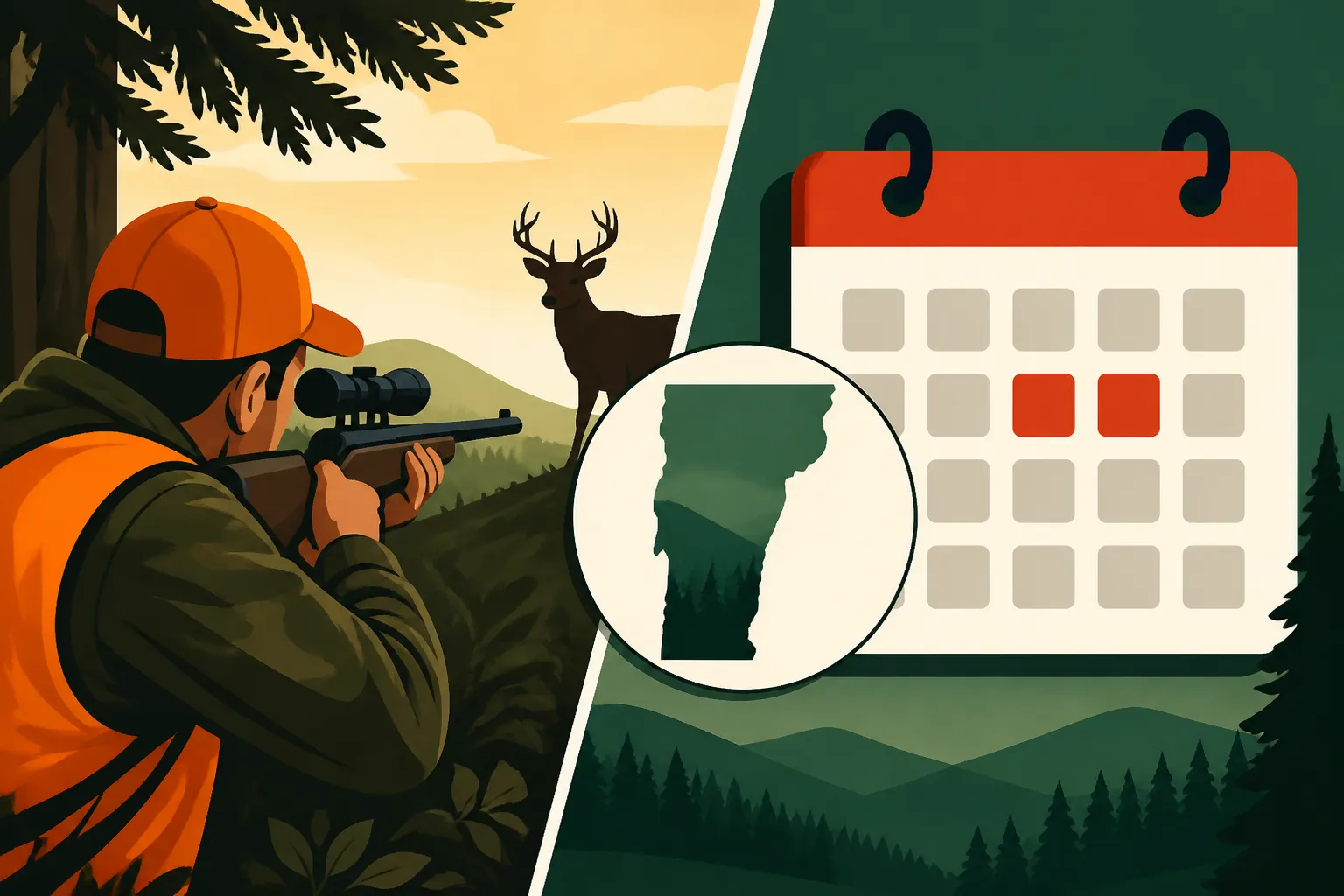
It’s a common moment for both seasoned hunters and newcomers alike: you pick up the Vermont hunting regulations booklet or pull up the season dates online, eager to plan your fall deer hunt, and then you see it. Just two short weeks for rifle season. For many, especially those accustomed to longer seasons in other states, this can feel incredibly restrictive, almost like the Green Mountain State is teasing you with a brief glimpse of prime hunting before snatching it away. This tight window often leads to frustration and a scrambling to maximize every precious hour afield. But there's a method to Vermont Fish & Wildlife's apparent madness, and understanding the 'why' behind this short rifle season is key to appreciating Vermont's unique hunting heritage and effectively planning your hunt.
This guide delves deep into the reasoning behind Vermont's distinct two-week rifle season, exploring its historical underpinnings, the critical role it plays in deer management, and how hunters can strategically adapt to make the most of this intense, action-packed period. We'll unpack the conservation philosophies at play, examine the impact on deer populations and hunter experiences, and offer practical advice to help you navigate this brief but often productive segment of the Vermont deer season.
The Historical Roots of Vermont's Short Rifle Season
Vermont's hunting traditions are deeply woven into its fabric, shaped by generations of hunters, evolving conservation science, and the state's unique landscape. The rifle season's duration isn't an arbitrary choice; it's a carefully considered element of a larger management strategy, influenced by decades of observation and policy.
Early Conservation Efforts and Public Sentiment
Back in the late 19th and early 20th centuries, Vermont's deer herd, like many across the Northeast, faced significant challenges. Unregulated hunting, coupled with widespread habitat loss from logging and agriculture, pushed deer populations to critically low levels. Early conservation efforts were primarily focused on herd restoration, often involving tight restrictions, outright bans on deer hunting, and later, managed reintroductions. As the deer population slowly rebounded, a more structured hunting season emerged. The emphasis was always on sustainable harvest, ensuring the herd could continue to grow and thrive.
The public sentiment during these formative years played a huge role. There was a strong desire to bring deer back and to protect them once they were here. This often translated into more conservative hunting regulations compared to some other regions, focusing on shorter seasons and specific bag limits to prevent overharvest. The idea was to allow for recreational hunting but to err on the side of caution, ensuring the long-term health of the deer population. This conservative approach set a precedent that continues to influence Vermont's hunting regulations, including the duration of its rifle season. It's a testament to the state's long-standing commitment to wildlife conservation, even if it means a shorter window for hunters.
The Evolution of Deer Management Philosophy
Vermont's deer management philosophy has always been progressive, adapting to scientific understanding and ecological changes. In the mid-20th century, as deer populations stabilized and even grew in some areas, the focus shifted from pure restoration to population control and herd health. Wildlife biologists understood that too many deer could lead to overbrowsing, habitat degradation, and increased disease transmission. However, managing deer in a state with diverse habitats, from the rugged Green Mountains to the agricultural Champlain Valley, required a nuanced approach.
The decision to maintain a relatively short rifle season, primarily in November, aligns with several key management objectives. Firstly, it concentrates hunter effort during a prime time of year – the rut. This maximizes the biological impact of the harvest, particularly on the buck population, which helps manage the buck-to-doe ratio. Secondly, a shorter season limits overall hunter days afield with the most effective weapon, reducing the total potential harvest while allowing a high quality hunting experience for those who participate. It’s a way to keep the pressure on deer sustainable, avoiding the kind of intense, prolonged pressure that could negatively impact the herd's long-term health or significantly reduce the average age of bucks. This balanced approach is what has led to a robust and healthy deer population across the state, even with diverse hunting methods allowed throughout the fall, as detailed in guides like our comprehensive look at White-Tailed Deer Across Vermont.
Deer Population Dynamics and Management Strategy
The rifle season isn't short just for the sake of it; it's a finely tuned instrument in the broader orchestra of Vermont's deer management strategy. It directly impacts herd health and shapes hunter success.
Balancing Harvest Objectives with Herd Health
Vermont Fish & Wildlife has a clear mandate: manage the state's deer herd for long-term health and sustainability, while also providing ample recreational hunting opportunities. A significant challenge is balancing the desire for robust deer numbers with ecological carrying capacity – how many deer the land can realistically support without negative impacts on forests, farms, and the deer themselves. A short rifle season, intentionally timed during the peak of the rut, helps achieve this balance.
By concentrating the most effective deer hunting method (rifle hunting) into a two-week period during November, the department can achieve specific harvest objectives without subjecting the herd to undue stress for an extended time. This strategy allows a targeted removal of deer, particularly mature bucks that are more vulnerable during the rut, contributing to a healthy buck-to-doe ratio and genetic diversity within the herd. It ensures that the annual harvest remains within sustainable limits, preventing population crashes or overpopulation issues that could lead to widespread starvation during harsh Vermont winters. The focus is always on a healthy, resilient herd, and the short rifle season is a critical component in maintaining that delicate ecological equilibrium. The effectiveness of this system can be seen in Vermont's annual Vermont Deer Harvest Records, which consistently show a well-managed population.
Controlling Hunter Pressure and Success Rates
Imagine if Vermont had a six-week rifle season. The sheer amount of hunter pressure on the deer herd, especially in popular public land areas or accessible private woodlots, would be immense. A short, intense rifle season acts as a pressure valve. It channels a significant portion of the hunting effort into a condensed timeframe, creating a high-energy, exciting hunting experience, but then quickly releases that pressure. This allows deer to return to more natural movement patterns for the remainder of the late season, reducing chronic stress on the animals.
Moreover, concentrating hunters during the rut inherently increases success rates for many. Bucks are more active, less cautious, and moving more during daylight hours. This means that even with a shorter season, hunters have a statistically good chance of encountering deer. It ensures that opportunities are available to a wide array of hunters, from those targeting a trophy buck to those simply looking to fill their freezer. It's a calculated trade-off: a shorter season, yes, but one optimized for both deer management and hunter opportunity. This approach, along with the state's careful allocation of antlerless permits, helps keep the Vermont Deer Population Estimate healthy and within target ranges.
The Hunter's Perspective Navigating a Brief Window
While the short rifle season serves important biological and management goals, for the individual hunter, it presents a unique set of challenges and opportunities. It demands a different kind of preparation and a sharp focus during those critical two weeks.
Intensified Scouting and Preparation
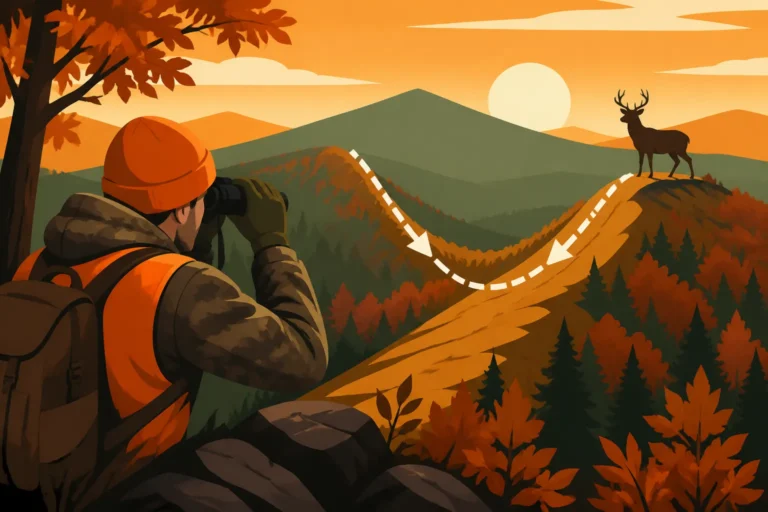
With only two weeks on the calendar for rifle hunting, procrastination isn't an option. This compressed timeframe forces hunters to be incredibly diligent in their pre-season scouting. You simply don't have time to wander around learning the land once the season opens; you need to know exactly where you're going and what the deer are doing. This means hitting the woods long before opening day, looking for fresh sign, identifying bedding areas, feeding routes, and travel corridors. Many dedicated Vermont hunters spend significant time in the summer and early fall using tools like GoHunt, poring over aerial maps to identify potential hotspots, understanding terrain features, and pinpointing pinch points or funnels.
This intense preparation often includes setting up trail cameras, understanding prevailing winds and thermals in your chosen hunting grounds, and even practicing shooting from various positions that mimic real-world hunting scenarios. The goal is to eliminate as many unknowns as possible so that when the season finally arrives, you can immediately focus on the hunt itself. It’s a period of intense focus, where every piece of information gleaned during scouting, whether it's reading a Green Mountain Deer Yard or understanding Wind and Thermals in Steep Green Mountain Terrain, becomes invaluable. This preparation isn't just about efficiency; it's about respect for the limited opportunity and the game itself.
Maximizing Limited Opportunity on Public and Private Land
The brevity of the rifle season means every hunt must be approached with a strategic mindset. You can't afford to waste days. On public land, this often means venturing deeper than other hunters, finding those overlooked pockets where deer feel secure. Knowing how to read aerial photos for Reading Aerial Photos for Green Mountain Deer can be a game-changer here, helping you identify remote benches, thick softwood swamps, or hidden food sources that others might pass by. The competition can be high, especially on Public Hunting Land in Vermont during the opening days, so having a solid plan for your entry and exit routes, and understanding how deer react to pressure, is crucial.
For hunters with access to private land, the focus shifts slightly. While still requiring diligent scouting, private parcels might offer more predictable deer movements and less competition. Building and maintaining good relationships with landowners is paramount, as this exclusive access can significantly increase your chances of success during the short window. Whether on public or private ground, hunters are often focused on the peak rut period, which typically falls within Vermont's rifle season. This is when bucks are actively searching for does, making them more susceptible to rattling, grunting, or simply being caught on the move during daylight hours. Every minute in the woods during this season is precious, making it an adrenaline-fueled dash to seize the opportunity.
Comparing Vermont's Rifle Season to Other Deer Opportunities
Vermont’s deer hunting landscape isn’t just about the rifle season. It's a diverse calendar of opportunities, each with its own duration, weapon restrictions, and strategic importance in the overall management scheme. Understanding how the rifle season fits into this larger picture is vital.
Integrating Archery and Muzzleloader Seasons
The short rifle season is intentionally complemented by much longer archery and muzzleloader seasons. These extended periods allow for a more distributed harvest and cater to different hunting preferences and skill sets. For instance, Vermont's expanded archery season often starts in September, offering hunters a chance to pursue deer before significant hunting pressure sets in. This season, explored in detail in Bowhunting Vermont's Expanded Archery Season, provides a long, low-impact hunting window. Similarly, the muzzleloader season, often split into an October antlerless window and a December season, extends opportunities into the late fall and early winter.
These longer seasons are less impactful on the overall deer population than a long rifle season would be, due to the inherent limitations of the weapons. Bowhunting, for example, typically has lower success rates per hunter day compared to rifle hunting. Muzzleloader hunting also presents unique challenges with range and reloading time. By offering these diverse, longer seasons, Vermont ensures that hunters have ample time afield, spreading out the harvest pressure and allowing different types of hunting experiences. It's a smart way to provide extensive hunting access without compromising the careful balance achieved by the short, impactful rifle season.
| Season Type | Duration (Typical) | Primary Weapon | Harvest Focus | Notes |
|---|---|---|---|---|
| Expanded Archery | Early September – Mid-December | Vertical Bow/Crossbow | Any-Deer, Antlerless | Specific WMUs only |
| Regular Archery | Early October – Mid-December | Vertical Bow/Crossbow | Any-Deer, Antlerless | Statewide, overlaps with rifle |
| October Muzzleloader | Roughly 5 days in mid-October | Muzzleloader | Antlerless-Only | Specific WMUs, for population control |
| Rifle Season | 16 Days (mid-November) | Centerfire Rifle, Shotgun | Any-Deer | Peak rut, high hunter participation |
| December Muzzleloader | Roughly 9 days in December | Muzzleloader | Any-Deer, Antlerless | Late season, often snow, cold |
| Youth & Novice | Specific weekend days | All legal methods | Any-Deer, Antlerless | Mentored hunting opportunity |
How Vermont Compares Regionally
When you look at Vermont's hunting regulations in the context of its neighboring states, the pattern of shorter rifle seasons isn't entirely unique but is certainly on the more conservative side. States like New York, New Hampshire, and Maine often have longer rifle seasons, sometimes spanning several weeks or even a month in certain zones. However, these states also have different deer population densities, habitat types, and management goals.
Vermont's approach reflects its particular circumstances: a more mountainous and forested landscape where deer can be harder to track, combined with a strong historical commitment to sustainable, high-quality hunting experiences. The short, intense rifle season is a hallmark of Vermont hunting, creating a unique culture where hunters truly live for those two weeks in November. It’s a period where the woods come alive, drawing hunters from all corners of the state and beyond, all focused on the challenge and reward of pursuing a deer in the Green Mountain State. This unique regulatory framework contributes to the distinct character of Vermont Hunting Licenses and What They Cost, shaping the overall experience.
Practical Tips for a Successful Two-Week Hunt
Understanding the "why" behind the short rifle season is just the first step. The next is learning how to thrive within its confines. Success in this condensed window demands focused effort and adaptable strategies.
Focusing on Key Deer Behaviors and Habitats
Given that Vermont's rifle season typically falls during the peak of the whitetail rut in early-to-mid November, understanding deer behavior during this critical time is paramount. Bucks are on the move, actively seeking does, and often letting their guard down. This means focusing your efforts on areas where does congregate, such as late-season food sources like acorn flats if it's a good mast year, or abandoned apple orchards. Crucially, pay attention to transition areas – the edges of thick cover, saddles between ridges, and pinch points where deer are funneled through. These are often high-traffic zones during the rut.
Rather than trying to cover vast amounts of ground, a more effective strategy is often to pick a promising location based on your scouting and patiently wait. Learning how to identify Scrape Lines Along a Logging Road or fresh rub lines can tell you where a dominant buck might be cruising. Understanding how deer use topography to their advantage, especially in rugged terrain, will also be beneficial. Many hunters swear by rattling and grunting during this period, as bucks are often eager to investigate perceived rivals. Tools like GoHunt can help you mark these potential hot zones and navigate stealthily. Focus on understanding the deer's primary needs – food, cover, and breeding – and you'll put yourself in a much better position during these two intense weeks.
Adapting to Weather and Terrain Challenges
Hunting in Vermont in November means being prepared for anything Mother Nature can throw at you. From crisp, clear mornings to bitter cold, driving rain, or even early snow, the weather can change dramatically within hours. This requires meticulous planning, especially in terms of layering your clothing to stay warm and dry, as highlighted in guides like Layering for Vermont's Long Hunting Season. A cold, wet hunter is rarely an effective one.
Beyond the weather, Vermont's diverse terrain presents its own set of challenges. The steep, rugged slopes of the Green Mountains demand physical fitness and sturdy, reliable boots. The dense, thick cover in many parts of the state means shots are often close and fast, requiring proficiency with your rifle. Meanwhile, the open agricultural fields of the Champlain Valley might call for longer shots and different tactics, such as setting up on a Hanging a Stand on a Champlain Valley Field Edge. Being adaptable is key. If the weather turns foul, don't just pack it in; deer often move well in light rain or snow. Adjust your hunting style, perhaps switching from a stationary stand hunt to still-hunting through thick cover, slowly and deliberately. The short season forces you to be a versatile and resilient hunter, constantly reading the signs from both the deer and the environment. Learning strategies for Hunting the Rut in Early-to-Mid November can be particularly beneficial, as the unique challenges of the season align perfectly with this prime hunting period.
Disclaimer
The information provided in this article is for general informational purposes only and does not constitute legal advice or a definitive interpretation of Vermont hunting regulations. Hunting laws and regulations can change, and it is the hunter's responsibility to review the current Vermont Fish & Wildlife Department regulations annually before engaging in any hunting activities. Always prioritize safety, ethical hunting practices, and compliance with all applicable laws.