Hunting Bear Before the November Close
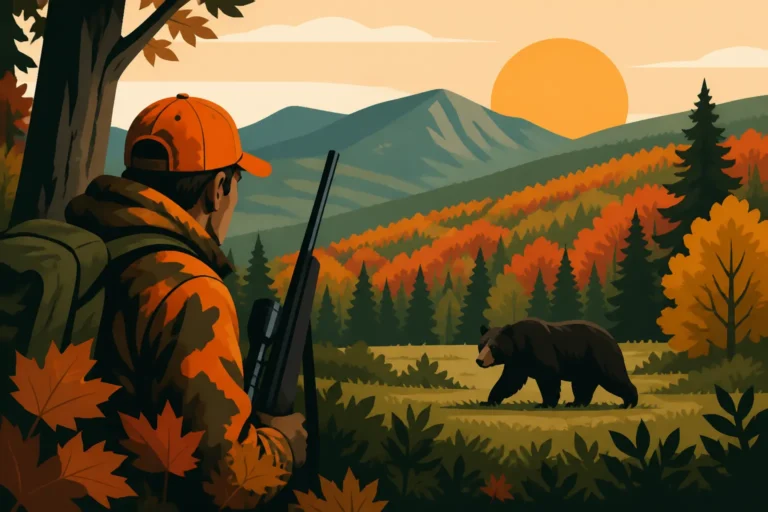
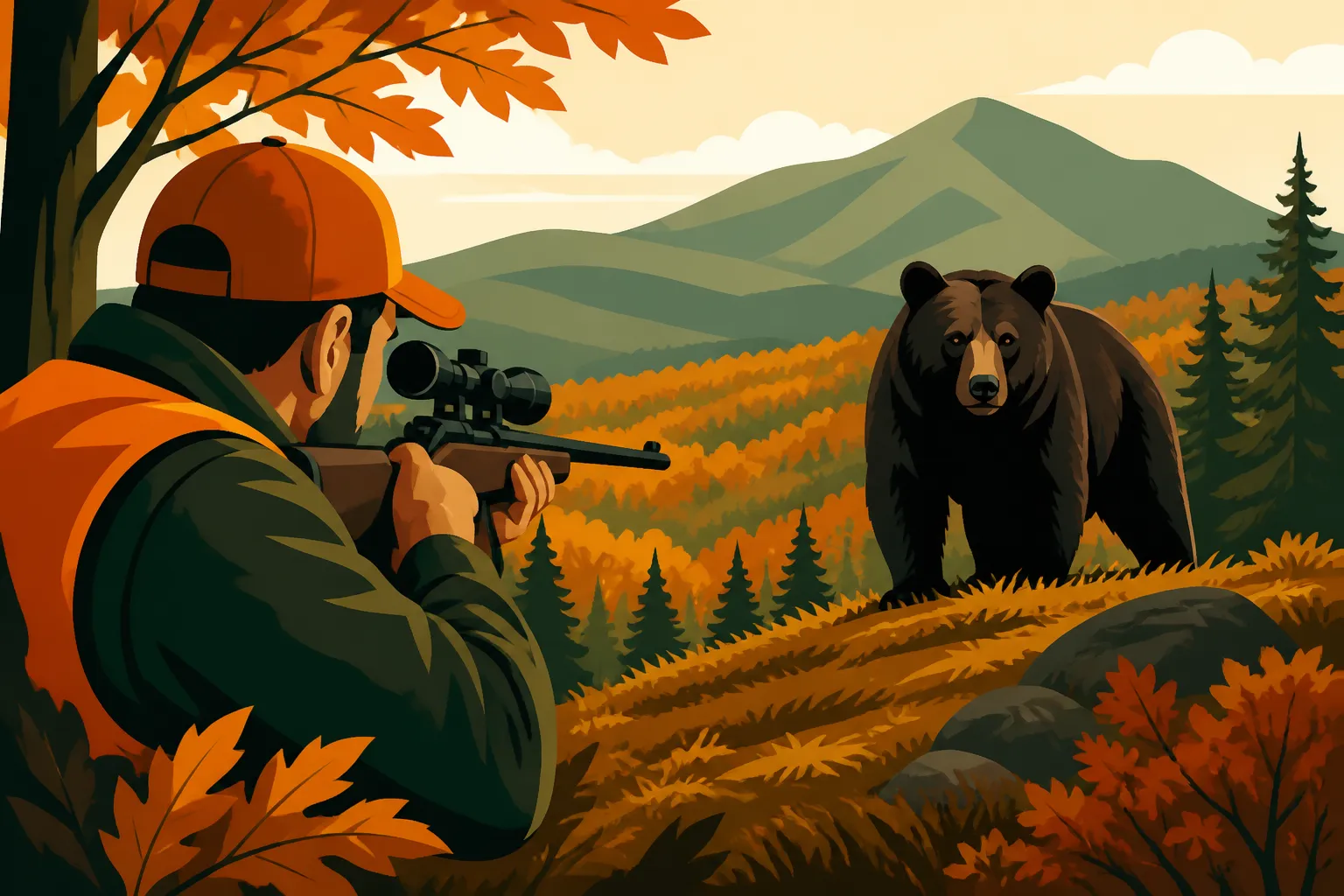
As the vibrant fall foliage of Vermont gives way to the starker landscape of late autumn, many bear hunters face a unique challenge: finding elusive bruins before the season officially closes in November. This period, often marked by fluctuating weather and shifting bear behavior, can be incredibly frustrating if you don't know where to focus your efforts. This guide will walk you through the nuances of hunting black bears in Vermont during these final critical weeks, helping you understand their late-season patterns, refine your tactics, and ensure you're prepared for the elements.
Understanding Late-Season Bear Behavior in Vermont
The weeks leading up to the November bear season close are a transitional time for black bears in Vermont, driven by a primal urge to pack on as much weight as possible before denning for the winter. This period often presents a unique set of challenges and opportunities for hunters. The availability of food sources changes drastically, and colder temperatures begin to influence where bears spend their time.
The Urge to Hyperphagia and Fat Reserves
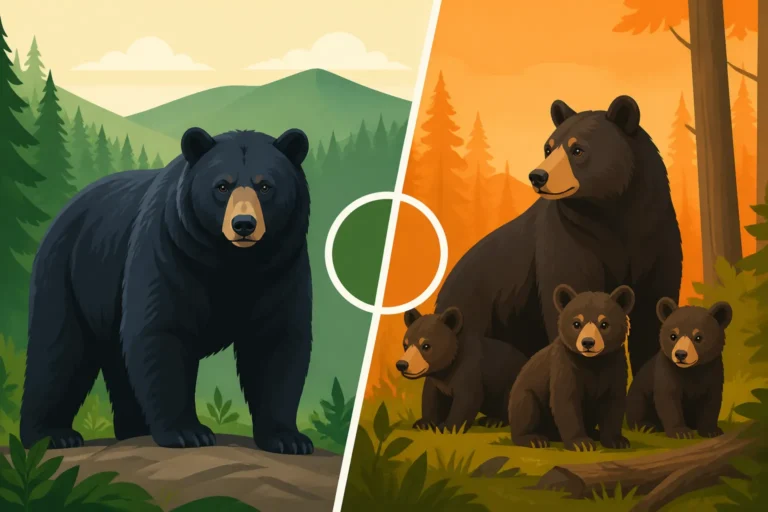
Bears in late fall are in a state of hyperphagia, meaning they are consuming an excessive amount of calories to build up fat reserves for hibernation. This isn't just about survival; it's about making it through the lean winter months and ensuring successful reproduction come spring. Their focus is almost entirely on food, and they will expend significant energy to find the richest, most calorie-dense sources available. This drive makes them somewhat predictable, if you know what to look for, but also incredibly wary as they are pushing hard and often feel more exposed in the thinner cover.
Historically, Vermont's bear population has shown robust growth, and understanding their general patterns, as outlined in our piece on Vermont Bear Population Estimate, can give you an edge. As days shorten and temperatures drop, bears become even more nocturnal in heavily pressured areas, often feeding under the cover of darkness and bedding in thickets during the day. This requires a shift in hunting strategy, focusing less on casual encounters and more on intercepting them between bedding and feeding areas at dawn and dusk. The exact timing of the Vermont Bear Season Closing Date can vary slightly each year based on weather and biological factors, making it crucial to stay updated on the Vermont Fish and Wildlife Department's official announcements.
Shifting Food Sources in Late Autumn
Early fall might have been all about acorns, beechnuts, and soft mast, but by late October and into November, many of these prime sources are depleted or covered by fallen leaves and early snow. Bears will transition to whatever remaining hard mast they can find, but increasingly, they turn their attention to agricultural areas. Farmers harvesting corn, soybeans, or even apples can inadvertently create irresistible late-season buffets for bears. These fields, especially those near dense cover, become high-value targets.
Identifying these late-season food sources is paramount. Look for cornfields that have been recently harvested, paying close attention to the edges where bears might slip in and out. Apple orchards, even if picked over, might still hold a few windfalls, especially in forgotten corners or older, less-maintained plots. Beech ridges, if they had a good mast crop, will be scoured by bears for remaining nuts, and you might find significant claw marks on trees. Using mapping tools, such as those integrated into the GoHunt platform, can help you identify agricultural areas adjacent to public lands or large tracts of timber where bears might be venturing for these last-ditch meals.
Tactics for Hunting Bears in the Weeks Leading Up to November
Hunting bears in the final weeks before the November close requires a blend of meticulous scouting, strategic patience, and an understanding of how these animals react to the changing environment and increased hunting pressure. This isn't the time for random wandering; it's about focused effort where the odds are highest.
Intensive Scouting for Fresh Sign
Before you even consider setting foot in the woods with your rifle, you need to scout, and scout hard. Late-season bear hunting is largely a scouting game. Focus on areas known for hard mast production, especially beech and oak stands, and agricultural fields. Look for fresh tracks in the mud around field edges, under power lines, or along logging roads. Bear scat can tell you what they're eating – if you find corn kernels or apple seeds, you know you're in the right neighborhood.
Another key sign is claw marks on trees, particularly on beech trees, where bears climb to access nuts. Look for fresh bark peels and rub marks. With the leaves largely off the trees, visibility improves, which can be both a blessing and a curse. It makes spotting bears easier, but also makes you more visible to them. Our guide on Scouting Vermont Public Land Before Season offers broader tips that are especially relevant for this late-season focus, emphasizing the need for thorough reconnaissance. A quality mapping application can become your best friend, allowing you to mark potential feeding areas, travel corridors, and bedding cover. Utilize the satellite imagery and topographical maps, perhaps even those found on GoHunt, to identify promising funnels and dense cover adjacent to food sources.
Still-Hunting and Stand Placement
Still-hunting can be incredibly effective during this late period, especially on windy or rainy days when the rustling leaves help mask your movements. Move slowly, taking one or two steps, then stopping for several minutes to scan, listen, and glass. Focus on transition areas between dense bedding cover and known food sources. Bears will be moving during the low light hours, so being in their travel corridor at dawn or dusk is paramount.
When it comes to stand placement, think about pinch points. These are natural funnels that bears are likely to use when traveling from bedding to feeding. This could be a narrow strip of timber between two fields, a saddle on a ridge, or a bottleneck in a swamp. Position your stand downwind, and consider ground blinds if the cover allows for a quick setup and concealment. Given the colder temperatures, a comfortable, insulated stand or blind will be key for long, patient sits. For those interested in Hunting Bear Through the Long September Season, the tactics for stand placement might differ as early-season food sources and bear patterns vary. However, the principles of wind direction and scent control remain universal.
Glassing Openings and Agricultural Fields
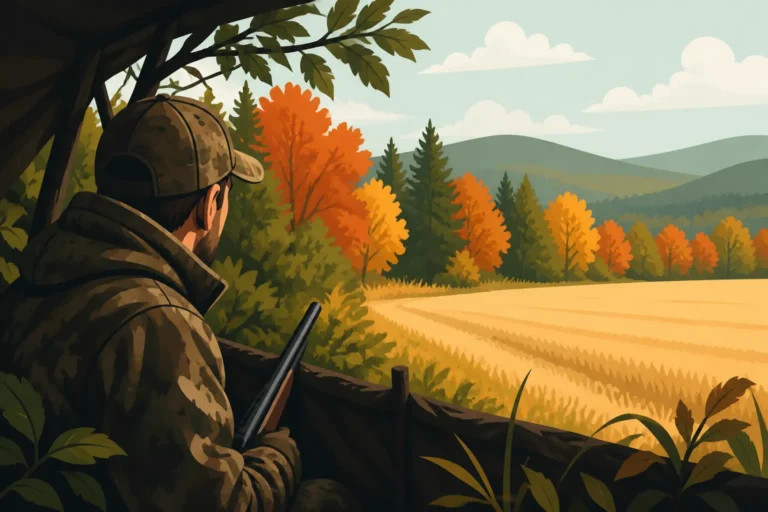
With much of the foliage gone, glassing becomes a much more viable tactic. Find a vantage point that overlooks a large agricultural field, a clear-cut, or a beech ridge. Spend dedicated time at dawn and dusk, using high-quality binoculars or a spotting scope. Bears often blend surprisingly well into the landscape, even with fewer leaves, so slow, methodical glassing is essential. Pay attention to subtle movements or dark shapes that seem out of place.
This approach is similar to Spot-and-Stalk Bear Hunting Vermont Ridges, though the focus shifts more towards identifying a stationary bear feeding rather than actively pursuing one through dense timber. Be prepared for long waits and cold conditions. The colder the weather gets, the more energy bears need, which means they might spend longer periods feeding. Having reliable optics, as discussed in our guide to Optics for Vermont's Green Mountain Terrain, will significantly increase your chances of spotting a distant bruin.
Essential Gear and Preparation for Late-Season Bear Hunts
The shift to late fall in Vermont means a serious change in weather, demanding careful consideration of your gear. From personal comfort and safety to the tools you need for success, being adequately prepared is non-negotiable for hunting bears before the November close.
Layering for Vermont's Variable November Weather
Vermont's late-season weather can be famously unpredictable. You might start your day with crisp, frosty air, only for it to warm up to a mild afternoon, or a cold rain might sweep in, followed by plummeting temperatures and even snow. Proper layering is not just about comfort; it's about survival. You need a system that allows you to add or shed layers easily to regulate your body temperature. Start with a moisture-wicking base layer, add an insulating mid-layer like fleece or down, and top it off with a waterproof and windproof outer shell.
Our comprehensive guide on Layering for Vermont's Long Hunting Season delves into the specifics, but for late-season bear, prioritize warmth and water resistance. Consider insulated gloves, a warm hat, and a neck gaiter to protect against biting winds. Cold hands and feet can quickly end a hunt, so invest in quality hand warmers and heavily insulated, waterproof boots, especially if you anticipate snow or crossing wet terrain.
Navigation, Safety, and Communication
Hunting in late fall often means lower light conditions, thicker undergrowth that might hide hazards, and potentially more remote locations. Reliable navigation is critical. While a traditional GPS unit is excellent, modern mapping apps on your smartphone, like those offered through GoHunt, can be incredibly powerful. Just make sure to download offline maps before you leave cell service, and carry a portable charger. Understanding how to Reading Aerial Photos for Green Mountain Deer can also apply directly to bear hunting, helping you visualize terrain features and potential travel routes.
Safety is paramount. Given that other seasons like archery for deer may still be open, or rifle season might be overlapping, ensuring you meet all blaze orange requirements is vital. Refer to Blaze Orange Requirements for specific Vermont regulations. Carry a first-aid kit, a headlamp with spare batteries, a fire starter, and know how to use them. A satellite communicator can be a lifesaver in areas without cell service, allowing you to call for help in an emergency.
Tracking and Field Dressing Tools
Should you be successful, having the right tools for tracking and field dressing is crucial. While a bear might not leave the same distinct track as a deer, being able to follow a blood trail, especially in fallen leaves or patchy snow, requires patience and a good eye. If snow arrives, understanding Tracking a Deer in Fresh Green Mountain Snow can be adapted to following a bear, though bear tracks are much larger and more distinct.
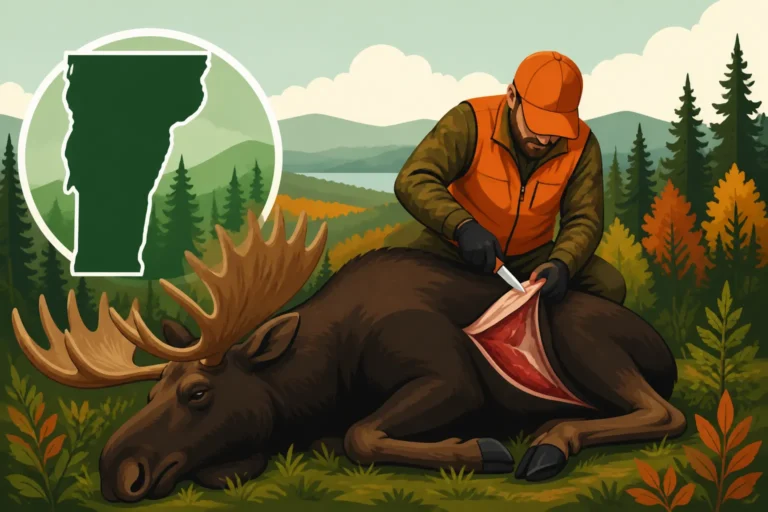
For field dressing, a sharp, sturdy knife is essential. Many hunters also carry a bone saw for easier quartering, especially with a larger bear. Game bags are important for keeping the meat clean and allowing it to cool properly, which is vital for preserving the quality of the meat, particularly if you have a long haul back to the vehicle. A good headlamp will be indispensable if you're field dressing after dark, which is a common occurrence on late-season hunts. Remember to always check and adhere to Vermont's deer reporting requirements for bears, as quickly registering your harvest is a legal obligation.
Navigating Regulations and Ethical Considerations
Successfully harvesting a bear in Vermont is only part of the equation; understanding and adhering to all regulations and ethical considerations is equally important. The state has specific rules designed to manage the bear population responsibly and ensure fair chase.
Key Dates and Permit Requirements
First and foremost, you need to be absolutely certain about the current season dates and any specific permits required. While this guide focuses on Hunting Bear Before the November Close, the exact opening and closing dates for bear season can vary slightly year to year and may depend on whether you purchased an early bear permit or are hunting during the regular archery or rifle seasons that overlap. Always consult the most current Vermont Fish & Wildlife Department hunting guide.
For instance, Vermont has an early bear season that requires a specific permit, but bears can also be hunted during the regular archery and rifle deer seasons, provided you have the appropriate licenses and meet weapon requirements. Make sure your general hunting license is up-to-date, and if you're a non-resident, be aware of the specific non-resident license options and costs. Ignorance of the law is never an excuse, so a quick check of the Vermont Fish & Wildlife website, or even an app like GoHunt which often integrates regulatory summaries, is always a good idea.
Baiting Regulations and Fair Chase
Vermont has regulations regarding the use of bait for bears, and it's essential to understand these nuances. While Baiting Bears Legally in Vermont can be an effective method, there are strict rules about what constitutes legal bait, how far bait sites must be from roads or dwellings, and when bait can be placed and removed. For late-season hunting, if you plan to utilize bait, make sure you're entirely compliant with all regulations. If you're not using bait, focus on natural food sources and travel corridors as discussed previously.
Beyond legality, consider the ethics of your hunt. Fair chase principles dictate that you provide the animal with a reasonable opportunity to escape. This means no pursuing bears with vehicles, no shooting from roads, and always ensuring you have a clean, ethical shot to minimize suffering. It also means respecting private property and always obtaining permission before hunting on private land. These considerations uphold the integrity of hunting and ensure a positive image for the hunting community.
Reporting and CWD Prevention
After a successful harvest, reporting your bear is a legal requirement in Vermont. The Vermont Fish & Wildlife Department uses this data to manage the bear population effectively, track harvest numbers, and assess overall herd health. This can often be done online or through designated check stations, and it needs to be completed within a specific timeframe after the harvest. Failure to report can result in penalties.
Furthermore, Vermont is committed to preventing the spread of Chronic Wasting Disease (CWD). While Vermont's deer herd remains Vermont's CWD-Free Deer Herd, vigilance is critical. Pay attention to any CWD prevention rules, especially if you've hunted in other states and are bringing parts back into Vermont. These rules often include restrictions on transporting certain carcass parts that could carry the prions responsible for CWD. Always clean your vehicle and gear thoroughly, and cooperate fully with any CWD surveillance programs the state may have in place.
| Aspect | Early/Mid-Fall Bear Hunting (Sept-Oct) | Late-Fall Bear Hunting (Oct-Nov Close) |
|---|---|---|
| Primary Focus | Maximizing calorie intake; Soft & hard mast | Hyperphagia; Last-ditch calorie intake |
| Key Food Sources | Acorns, beechnuts, apples, berries, wild grapes | Agricultural fields (corn, apples), remaining hard mast |
| Activity Level | Often active during daylight, especially in unpressured areas | Increased nocturnal activity; focused movement between bedding/feeding |
| Hunting Pressure | Can be moderate; specific early season pressure | Generally higher due to overlap with deer seasons |
| Habitat Focus | Diverse: ridges, swamps, orchards, timber | Transition zones, field edges, dense bedding cover |
| Scouting Emphasis | Identifying mast crops, fresh tracks, scat | Identifying active agricultural feeding, clear tracks/sign in thinning cover |
| Weather Conditions | Mild to cool; less severe | Cold, windy, rain, potential for early snow, freezing temps |
| Gear Priority | Mobility, scent control, basic insulation | Extreme cold weather layering, waterproof, optics for low light, tracking gear |
Disclaimer
Please note: Hunting regulations and seasons can change. Always consult the most current Vermont Fish & Wildlife Department official guide and local regulations before planning any hunting trip. This content is for informational purposes only and does not constitute legal advice.