Vermont Coyote Diet in Farm Country
If you've spent any time at all around Vermont's sprawling farm country, whether it's the dairy lands of the Champlain Valley or the smaller, more diverse agricultural pockets nestled into the Green Mountains' foothills, you know that coyotes are a persistent presence. They're often seen as shadowy figures on the edge of a cornfield, or their tell-tale howls echo across frosty hayfields at dusk. Understanding what these highly adaptable predators eat in these specific landscapes isn't just academic; it’s crucial for landowners, farmers protecting livestock, and hunters managing game populations. This guide is going to dig deep into the dinner plate of the Vermont coyote when they’re living right alongside our farms, helping you grasp their dietary habits and the implications for the wider ecosystem.
The Opportunistic Palate: What Drives Vermont Coyote Diets in Farm Country
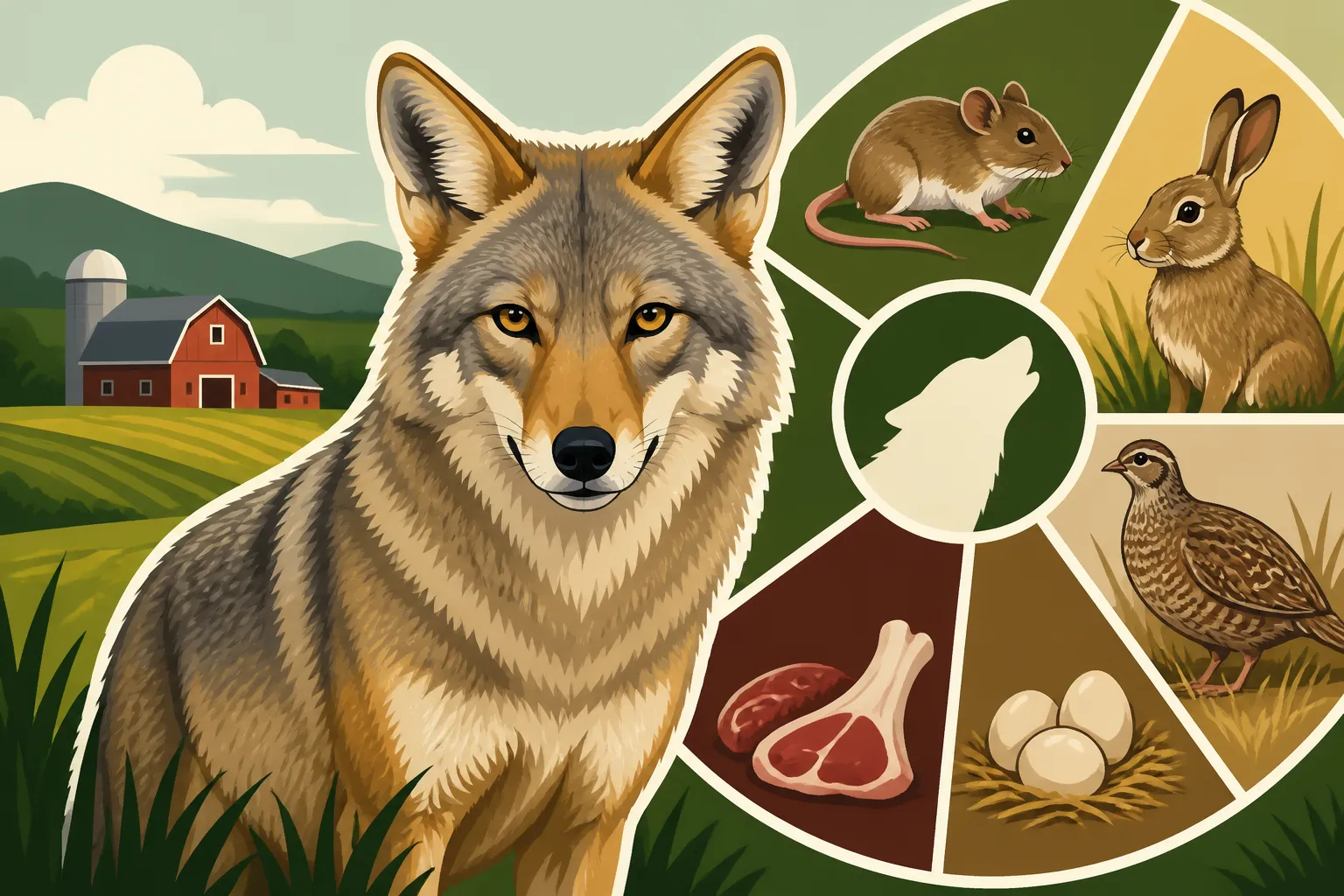
Coyotes, much like us Vermonters, are incredibly resourceful. They don't have the luxury of being picky eaters, especially when living in areas where human activity and agriculture reshape the landscape. In Vermont's farm country, their diet is less about a single preferred meal and more about what's readily available, easy to catch, and provides the most caloric bang for their buck. This incredible adaptability is precisely why they've thrived across North America, including right here in our backyard.
Think about it: a coyote patrolling the edge of a hayfield isn't going to pass up a vole scurrying through the grass just because it prefers deer. It's going to seize the opportunity. This opportunistic nature means their diet is incredibly varied, shifting not just season to season, but sometimes week to week, depending on what bounty the land, and sometimes the local farm operations, provide. They are masters of taking advantage of the "path of least resistance" when it comes to finding food, which makes them both fascinating to study and, at times, a challenge for farmers and wildlife managers. We're talking about an animal that can be chasing a whitetail one day and gleaning discarded apples from an orchard the next.
General Foraging Strategies in Agricultural Settings
In agricultural settings, coyotes employ a range of foraging strategies that are a direct reflection of their intelligence and adaptability. They are not merely random wanderers; they learn patterns, observe prey movements, and even understand human routines to maximize their hunting success. For instance, after a farmer cuts a hayfield, coyotes will often move in quickly, knowing that voles, mice, and other small rodents have lost their protective cover and are easier to pinpoint. This isn't just instinct; it's a learned behavior, passed down through generations of coyotes.
Another common strategy is patrolling the edges of fields and woodlots, which often act as natural travel corridors for deer, rabbits, and other game. These transitional zones, where cover meets open ground, are prime hunting spots. Hunters often use mapping tools like GoHunt to identify these very same edges and funnels when scouting for deer, and coyotes are doing much the same thing, just with a different end goal. They'll also frequent areas around barns or outbuildings, not necessarily to hunt livestock directly, but because these areas often attract rodents or provide shelter for smaller prey species. Their acute senses of smell and hearing allow them to detect even the slightest movement or scent, turning them into highly efficient hunters in these complex environments.
The Role of Prey Availability and Landscape Features
The specific features of a farm landscape heavily influence what a coyote can, and will, eat. A dairy farm with expansive cornfields might offer different dietary opportunities than a small, diversified farm with numerous hedgerows and smaller pastures. The availability of natural prey like Vermont Deer Herd Size and Squirrel Hunting Vermont Hardwoods is a huge factor. If deer populations are robust, coyotes will naturally key in on fawns in spring and vulnerable or injured adults year-round. Conversely, if small mammal populations are booming, coyotes will shift their focus to these easier targets.
Landscape features such as creek bottoms, dense brush lines, stone walls, and old logging roads all create microhabitats that either concentrate prey or provide cover for coyotes to hunt from. A thick fencerow, for example, can be a highway for mice and voles, making it a prime hunting ground. Similarly, areas where crops are harvested, leaving residual grains or discarded produce, become temporary buffet lines for various small animals, which in turn attract coyotes. The presence of water sources also plays a critical role, as all animals need to drink, concentrating them in predictable locations. Understanding these connections helps us predict where coyotes might be focusing their feeding efforts at any given time.
Primary Food Sources: From Deer to Rodents on the Farm Edge
When we talk about what Vermont coyotes eat in farm country, it's a mixed bag, but some items consistently rank higher on their menu. They're not just scavenging; they're actively hunting, and their prey choices reflect a blend of nutritional needs and opportunistic hunting.
White-Tailed Deer: A Significant but Variable Component
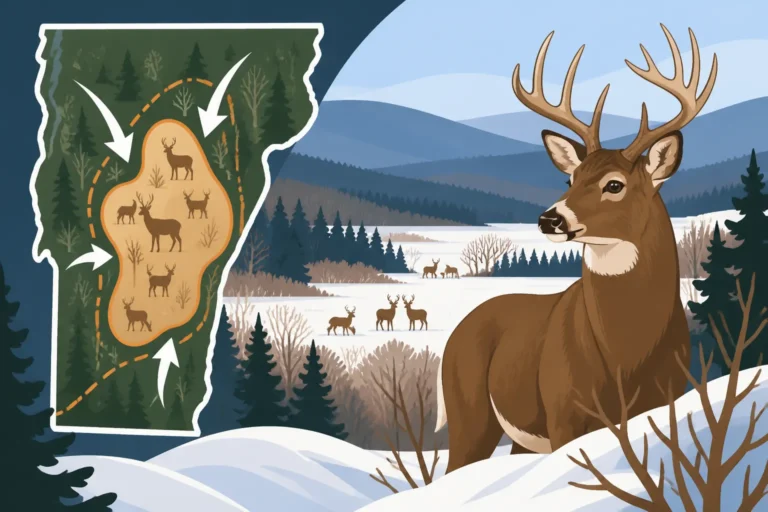
Deer, particularly white-tailed deer, can be a significant part of a coyote's diet, especially in areas where deer populations are healthy, such as many parts of the Champlain Valley. However, it’s important to understand that coyotes aren't generally bringing down healthy adult deer on a daily basis. Their success rate on mature, healthy deer is relatively low. Instead, they often target vulnerable individuals.
This includes fawns during the spring and early summer, which are highly susceptible due to their small size and initial lack of speed and agility. A coyote stumbling upon a bedded fawn is often a successful hunt. Later in the year, particularly during harsh winters or periods of deep snow, coyotes may prey on deer that are weakened by disease, old age, or injury. They also capitalize on deer that have been hit by vehicles or died of natural causes, turning carrion into a vital food source. You might be out Shed Hunting on Vermont Public Land in late winter and find evidence of coyotes having fed on a winter-killed deer. While they are capable hunters, they are equally efficient scavengers when it comes to larger game like deer.
Small Mammals: The Unsung Heroes of the Coyote Diet
If there's one group of animals that forms the absolute backbone of a coyote's diet in farm country, it's small mammals. Think voles, mice, shrews, rabbits, and even squirrels. These creatures are abundant, relatively easy to catch, and provide a consistent food source year-round. A coyote can spend hours diligently "mousing" in a field, pouncing repeatedly on unseen prey beneath the grass or snow. This is where their incredible hearing really shines, allowing them to pinpoint the exact location of a tiny rodent.
Rabbits, especially the eastern cottontail and snowshoe hare, are also important, particularly in areas with good brushy cover or thickets adjacent to open fields. Snowshoe Hare in Vermont are a challenging quarry for a coyote, but one that offers a substantial meal when caught. These small prey items are easy to process, require less energy expenditure to hunt compared to a deer, and are constantly regenerating their populations. For a coyote, a field teeming with voles is like a supermarket aisle fully stocked, offering reliable sustenance.
Wild Birds: From Turkeys to Game Birds
While not as dominant a food source as small mammals or deer, wild birds certainly find their way onto the coyote's menu. Ground-nesting birds, their eggs, and their chicks are particularly vulnerable. This includes species like wild turkeys, which have seen a remarkable comeback in Vermont. A coyote will certainly take advantage of a turkey nest discovered during the spring nesting season, or opportunistically grab a young poult separated from its mother.
Game birds like ruffed grouse and woodcock, though often flushed by hunters' dogs, can also fall prey to coyotes, especially when they are nesting or roosting on the ground. Waterfowl, particularly ducks nesting in marshy areas adjacent to farmland, can also be a food source. Again, it's largely an opportunistic endeavor. A coyote isn't likely to spend extensive time specifically hunting adult, healthy flying birds, but if the chance presents itself, especially with young or injured birds, they won't hesitate.
Seasonal Shifts and Scavenging: Adapting to Vermont's Agricultural Calendar
Vermont's distinct seasons and the rhythm of farming operations create a dynamic food environment for coyotes. Their diet isn't static; it's a constantly evolving smorgasbord dictated by what's available and what's easiest to obtain.
Spring and Summer: Fawns, Nests, and Young Prey
Spring is a season of abundance for coyotes in farm country. This is when fawns are born, turkey hens are nesting, and countless small mammal litters emerge. It’s a literal feast of young, inexperienced, and vulnerable prey. Coyotes will key into deer birthing areas, often finding fawns hidden in tall grass or brush along field edges. This is also when they'll be on the lookout for ground-nesting bird nests, consuming eggs and then chicks once they hatch.
As summer progresses, insect populations boom, and berries and fruits ripen. While not a primary caloric intake, coyotes will absolutely eat berries like blueberries, raspberries, and apples, especially those that drop from trees in abandoned orchards or along field edges. They are truly omnivores in this sense, making use of whatever natural food sources are plentiful. Farm operations, like the first cutting of hay, also provide a windfall of displaced rodents, making those freshly mown fields prime hunting grounds for a few days.
Fall and Winter: Scavenging, Carrion, and the Hunt for Survival
As the vibrant colors of fall sweep across Vermont and the hunting seasons begin, the coyote's diet shifts once more. With fawns grown larger and more elusive, and many bird species migrating, their focus often turns to larger prey, but also increasingly to scavenging. The rifle and muzzleloader seasons, for example, can inadvertently provide a source of carrion through gut piles left in the field. This is a common, often overlooked, food source for coyotes and other scavengers. Blood Trailing After Dark in Vermont for a deer can sometimes reveal coyote tracks already investigating the area.
Winter is the leanest time of year. Deep snows and bitter cold make hunting small mammals more challenging. This is when coyotes become even more reliant on carrion, including deer that succumbed to severe winter conditions, vehicle collisions, or hunting wounds. They will also form larger groups, sometimes called "packs," to cooperatively hunt larger prey, often focusing on deer weakened by the harsh conditions. This cooperative hunting increases their success rate on adult deer, which is a major reason why Vermont Moose Population Decline Since the 1990s due to winter ticks is such a concern; coyotes also contribute to predation on weakened moose calves. The agricultural fields, now largely barren, offer less in terms of rodents, pushing coyotes into adjacent woodlots and deeper into forested areas in search of sustenance.
Understanding the Impact: Coyotes and the Balance of Farm Life
The coyote's adaptable diet in farm country has significant implications, creating a complex interaction between wildlife, livestock, and human activities. It's rarely a simple black-and-white situation.
Livestock Predation: A Real Concern for Farmers
For farmers, the most immediate and often most frustrating aspect of coyotes in farm country is the potential for livestock predation. While small mammals are the dietary backbone, coyotes are undeniably opportunistic, and if an easy meal presents itself in the form of a lamb, a calf, or poultry, they will take it. This isn't necessarily about maliciousness; it's about survival. A weak or unattended young animal is simply another food source from a coyote's perspective.
The severity of livestock depredation varies greatly depending on the specific farm, management practices, and local coyote population dynamics. Farms with free-range poultry or those lambing in open pastures might experience higher losses. This is where active management, such as the use of guardian animals, improved fencing, or proactive deterrents, becomes critical. Many farmers keep a close eye on their herds, knowing that the presence of coyotes requires vigilance, and tools like GoHunt can help them monitor potential travel routes coyotes might use to approach pastures.
Impacts on Game Species and Hunting Opportunities
Beyond livestock, the coyote's diet directly influences populations of game species that hunters pursue. Their predation on fawns can certainly affect local deer numbers, especially in areas where deer populations are already stressed or in decline. However, it's also worth noting that coyotes often remove sick or weak animals, which can, in some ways, contribute to a healthier overall deer herd by reducing disease transmission.
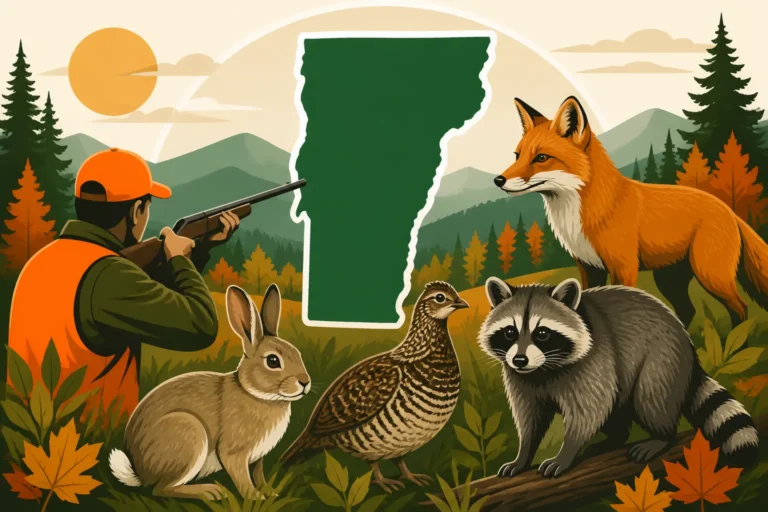
Similarly, coyote predation can impact populations of Vermont Turkey Population Trends, especially during the nesting and brooding periods. Hunters who spend time Calling an Early May Gobbler Off the Roost are acutely aware of the various predators, including coyotes, that turkeys face. Small game species like rabbits and grouse are also part of the coyote's natural diet. While coyotes are a part of the natural ecosystem, their presence and dietary habits are always a consideration for wildlife managers and hunters working to maintain healthy game populations. Understanding these dynamics is a key part of responsible Small Game and Predator Hunting in Vermont.
Coexisting and Management Strategies
Given their permanent presence, coexistence with coyotes in farm country is often about mitigation and smart management rather than outright eradication. For farmers, this means implementing robust deterrents to protect livestock, whether it's specific fencing designed to keep predators out, using LGDs (livestock guardian dogs), or ensuring all livestock are secured at night. It's about making the easy meal harder to get.
For hunters, understanding coyote behavior and diet can actually enhance their own hunting strategies. Knowing where coyotes are likely to hunt based on available prey can help you locate deer or avoid areas with high coyote pressure if your primary goal is deer. Conversely, for those interested in Coyote Calling Vermont Farm Country, knowing their preferred food sources helps identify prime calling locations. It's about respecting their role in the ecosystem while also managing their impacts on our shared landscape.
| Primary Diet Component | Prevalence in Farm Country | Seasonal Importance | Impact on Humans/Game |
|---|---|---|---|
| Small Mammals (voles, mice, rabbits) | Very High | Year-round | Low direct impact, crucial for coyote survival |
| White-tailed Deer (fawns, weakened adults, carrion) | High | Spring (fawns), Fall/Winter (carrion, weakened) | Can impact deer populations, provides hunting opportunities for coyotes |
| Wild Birds (turkeys, grouse, waterfowl, eggs) | Moderate | Spring/Summer (nests, young) | Can impact bird nesting success |
| Insects, Fruits, Berries | Low to Moderate | Summer/Fall | Opportunistic, supplementary diet |
| Livestock (lambs, poultry, calves) | Variable, typically low but can be significant locally | Year-round, especially vulnerable young | Direct economic loss for farmers |
| Scavenged Refuse (gut piles, discarded crops) | Moderate | Fall/Winter (hunting season, harvest) | Reduces waste, can draw coyotes closer to human activity |
Ultimately, the Vermont coyote's diet in farm country is a testament to its incredible ability to adapt. From the smallest mouse to a discarded apple, they utilize every available resource, playing a vital role in the complex tapestry of our rural landscape.
Disclaimer
This article is for general informational purposes only and does not constitute professional advice. Laws, prices and regulations vary by location and change over time. Consult a qualified professional for guidance on your specific situation.