Hunting the Champlain Islands
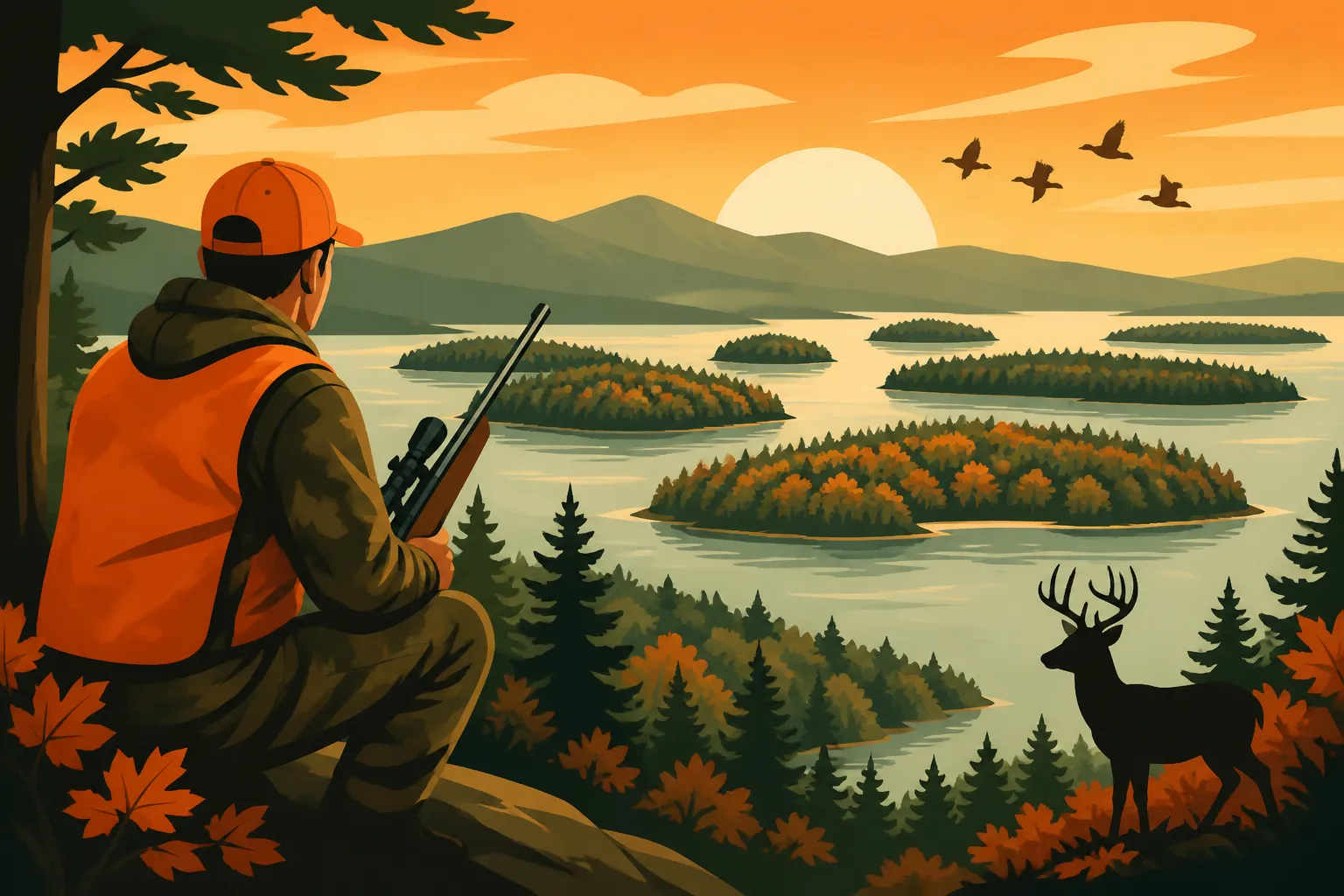
The Champlain Islands, stretching like a string of pearls across the vast expanse of Lake Champlain, present a truly unique and often overlooked hunting landscape in Vermont. While many hunters gravitate towards the deep woods of the Green Mountains or the expansive wilds of the Northeast Kingdom, the islands offer a distinctive blend of agricultural fields, dense shoreline cover, and fragmented woodlots that can be incredibly productive for those willing to put in the legwork. However, navigating this patchwork of private land and smaller public parcels requires a specific approach and a deep understanding of game behavior in this particular environment. This guide is here to help you unlock the potential of hunting the Champlain Islands, from understanding the terrain to ethically securing access and tailoring your tactics for success.
The Unique Landscape of the Champlain Islands for Hunters
Hunting the Champlain Islands isn't like hunting anywhere else in Vermont. You're not dealing with endless tracts of public forest, but rather a mosaic of working farms, residential areas, and pockets of wildland, all surrounded by the immense presence of Lake Champlain itself. This geography creates both challenges and incredible opportunities for the prepared hunter.
Geography and Habitat: A Patchwork of Opportunities
The Champlain Islands consist primarily of four main islands: Grand Isle, North Hero, Isle La Motte, and South Hero. Each has its own character, but they share common features that define the hunting experience. Imagine rolling agricultural fields – corn, hay, soybeans – stretching across the land, interspersed with small, often dense woodlots. These woodlots might be mere slivers along a fencerow, or more substantial blocks of timber, but they are almost always bordered by open ground. Then there's the shoreline itself, a mix of rocky points, sandy beaches, and marshy bays that draw waterfowl like a magnet.
This blend of habitats is a magnet for wildlife, particularly deer and turkeys. Deer thrive on the abundant food sources provided by agriculture, finding refuge and bedding in the thicker woodlots and brushy fencerows. Turkeys also utilize this edge habitat, often roosting in taller trees near fields and foraging in the stubble. The lake, of course, is the highway for migratory birds, making it a prime spot for waterfowl hunting. The consistent wind off the lake can also influence game movement, making those leeward edges particularly attractive for deer seeking shelter. It's a landscape that rewards keen observation and adaptability, where a small, overlooked thicket can hold a surprisingly large buck.
Understanding Access and Land Ownership
Here's where hunting the Champlain Islands truly sets itself apart: the vast majority of the land is privately owned. Unlike the expansive Green Mountain National Forest or many Vermont Wildlife Management Areas, you won't find thousands of contiguous acres open to public hunting. This reality means that securing private land permission is not just helpful, it's often absolutely essential for a successful hunt.
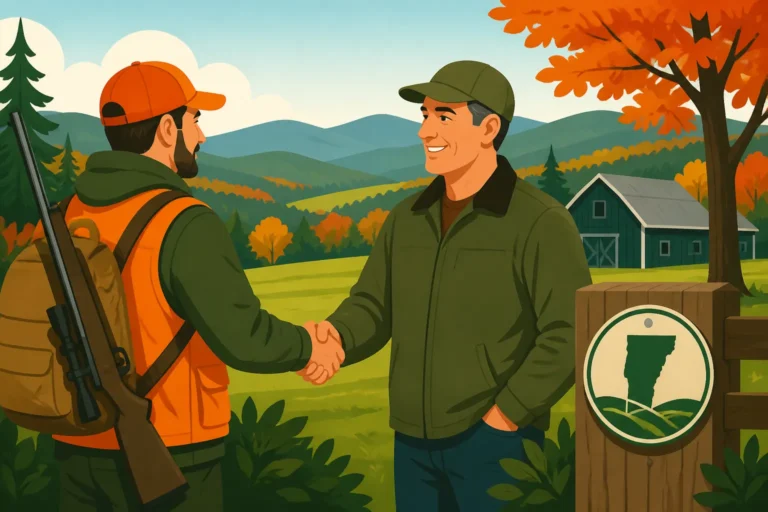
Many hunters find this prospect daunting, but it doesn't have to be. Farmers and landowners on the islands are often receptive to polite, respectful hunters who offer to help manage deer populations that can sometimes be a nuisance to crops. The key is to approach them well in advance of the season, introduce yourself, explain your intentions, and perhaps offer to lend a hand with chores or share some venison. Building these relationships takes time and effort, but the rewards are often exclusive access to prime hunting ground.
To navigate this private land puzzle, digital mapping tools are an absolute game-changer. Platforms like onX Hunt are invaluable for identifying property boundaries, landowner names, and potential access points. This allows you to scout effectively from your couch, pinpointing parcels that might offer good hunting and then focusing your efforts on contacting those specific landowners. While there are some public access spots – certain state parks, small town forests, or tiny WMAs – they are typically heavily pressured. Your best bet for a quality, unpressured hunt will almost always come down to forging those relationships for private land access. Remember, the dense residential presence on the islands means that discretion and respect for property are paramount, and knowing exactly where you are at all times is not just good practice, it's a legal necessity.
Target Species and Tactics for the Champlain Islands
With its unique blend of agricultural land and lake-effect habitat, the Champlain Islands offer diverse opportunities for various game species. Understanding their habits in this particular environment and tailoring your tactics accordingly will be key to filling your freezer and enjoying your time afield.
Deer Hunting Strategies: Field Edges and Woodlot Secrets
White-tailed deer are undeniably the primary draw for many hunters on the Champlain Islands. The abundant food from agriculture allows deer to grow to impressive sizes, and the fragmented nature of the habitat means they often stick to predictable patterns between feeding and bedding areas.
Your strategies for deer hunting here will often revolve around these agricultural fields. Deer will consistently enter fields to feed, especially in the evening and early morning. Setting up stands or ground blinds along the edges of corn, hay, or soybean fields is a classic and highly effective tactic. Look for natural funnels – narrow strips of woods, fencerows, or pinch points where deer are forced to travel in a confined space between two open areas. A small drainage ditch or a single line of trees connecting two larger woodlots can be a superhighway for deer. Think about where deer might enter a field, where they might pause before stepping out, or where they might stage just inside the timber line. Hunting a Champlain Valley Dairy Farm Edge is a prime example of this strategy, focusing on those transition zones.
During the rut, these field edges and funnels become even more crucial, as bucks will cruise them looking for does. Consider using rattling antlers or grunt calls judiciously, especially if you're set up on a travel corridor. The small, dense woodlots themselves, even those just a few acres in size, can serve as bedding areas. Still-hunting through these thicker patches, moving slowly and deliberately with the wind in your face, can sometimes surprise a bedded deer. In the late season, after crops are harvested, deer will focus on any remaining food sources, making those last standing corn fields or isolated apple trees particularly attractive. Keep an eye out for fresh Scrape Lines Along a Logging Road or rub lines in these smaller woodlots, indicating buck activity.
While the primary seasons (archery, rifle, muzzleloader) follow statewide regulations, the milder island climate compared to the deep woods can sometimes mean deer activity extends a bit later into the fall before harsh winter weather truly sets in. This can offer longer periods of comfortable hunting, particularly if you are in pursuit of an antlerless deer using an Vermont October Muzzleloader Antlerless Window tag.
Waterfowl Opportunities: Lake-Effect Flight Paths
Lake Champlain is a major migratory highway on the Atlantic Flyway, and the islands sit right in the middle of it. This makes waterfowl hunting a vibrant pursuit here, drawing a variety of ducks and geese.
Mallards, black ducks, and various diving ducks (like scaup and goldeneye) are common, along with Canada geese. Your tactics will depend on the species you're targeting and the specific habitat you find. For dabbling ducks and geese, marshy bays, shallow shorelines, and flooded agricultural fields are prime locations. Decoy spreads are king here. For ducks, a spread of mallards and a few black ducks can be highly effective in a marsh setting. Decoying Ducks on Lake Champlain offers excellent insights into setting up for these conditions. When geese are feeding in harvested corn or hay fields, setting up a layout blind surrounded by a spread of full-body goose decoys can be incredibly productive, as detailed in Layout Blind Hunting a Champlain Valley Field.
For divers, open water spreads further out from shore can be effective, often requiring a boat and specialized decoys. Jump-shooting smaller creeks or isolated ponds is another option, though it requires stealth and knowing where birds like to loaf. Access for waterfowl often involves public boat launches or securing permission from landowners who control shoreline access. Be mindful of wind direction, as birds will almost always try to land into the wind, and position your decoys and blind accordingly.
Turkey and Small Game: Underrated Island Hunts
While deer and waterfowl often steal the spotlight, the Champlain Islands also offer solid opportunities for wild turkeys and various small game species.
Wild turkeys have made a remarkable comeback across Vermont, and the islands are no exception. You'll often find them congregating in the mixed hardwood and softwood patches that border agricultural fields. In the spring, listening for gobblers off the roost can reveal their general location, and then using locator calls and careful setups to bring them into range is the classic approach. During the fall, hunting turkeys is often about finding flocks that are feeding in harvested fields or woodlots, then using tactics like breaking up a flock and calling them back in. Hunting the Statewide Fall Archery Turkey Season provides a great overview of these methods. The presence of numerous residential areas might limit shotgun opportunities in some parts, making archery a particularly versatile tool for island turkey hunting.
For small game, the dense fencerows, small woodlots, and reverting fields provide excellent habitat. Squirrels are abundant in the hardwood trees, especially during years with good mast crops. A quiet still-hunt through a stand of oaks or hickory can often yield a limit of bushy-tails, as explored in Squirrel Hunting Vermont Hardwoods. Cottontail rabbits and snowshoe hare can be found in the thicker brush and briar patches, often providing fast-paced hunting, especially with a good dog. These smaller parcels, which might be too small for deer hunting, can be perfect for a quick small game outing, adding another layer of opportunity to the island hunting experience.
Navigating the Challenges and Maximizing Success
Hunting the Champlain Islands, while rewarding, definitely comes with its own set of unique challenges. It’s not simply a matter of heading into vast public woodlands. To truly maximize your success, you need to be strategic, prepared, and above all, respectful of the local community and environment.
The Criticality of Permission and Scouting
We can't stress this enough: obtaining private land permission is the linchpin of successful island hunting. Without it, your options become severely limited to often heavily pressured public parcels, which are few and far between on the islands. Think of it as your primary hunting skill for this area. Start early, well before the season. A friendly, polite, in-person visit is always better than a phone call or letter. Introduce yourself, explain that you're interested in hunting deer or turkeys, and assure them you are a safe and ethical hunter. Offer to help with chores, share venison, or simply leave the property exactly as you found it. Showing respect for their property and livelihood goes a long way. Many landowners appreciate responsible hunters who can help manage game populations.
Once you have permission, the real scouting begins. Even with a small woodlot, understanding how deer move through it is critical. Look for obvious trails, fresh rubs and scrapes, and areas where deer enter and exit fields. Pay attention to changes in elevation, even subtle ones, that might create natural funnels. Identify bedding areas – often dense thickets or areas with good thermal cover. Tools like onX Hunt are indispensable here. You can literally sit at home and identify potential travel corridors, pinch points, and bedding areas on aerial maps. Use the app to mark property lines clearly, so there's no confusion once you're in the field. When you're out physically scouting, look for clues like Reading Vermont Mud for Fresh Deer Movement to confirm activity and pinpoint high-traffic areas. The Vermont Fish and Wildlife Department also offers a fantastic app, which can be useful for general regulations and WMA locations, and serves as an excellent companion to private land maps like Scouting With the Vermont Fish and Wildlife App.
Gear and Preparedness for Island Hunting
The specific environment of the Champlain Islands also dictates certain gear considerations. While much of your standard hunting kit will apply, there are a few nuances that can significantly enhance your comfort and success.
Layering for Variable Weather: Being surrounded by a large body of water like Lake Champlain means weather can change rapidly and often feels colder due to wind chill, even if the thermometer doesn't show it. Effective layering is crucial. Start with a good base layer to manage moisture, add insulated mid-layers for warmth, and top it off with a waterproof and windproof outer shell. Even on sunny days, a stiff breeze off the lake can cut right through inadequate clothing.
Footwear for Mixed Terrain: You'll likely be traversing a variety of terrain: muddy field edges, wet marshes, dense woods, and possibly rocky shorelines. Good quality, waterproof boots with excellent ankle support are essential. You might consider knee boots or even chest waders if waterfowl hunting in marshy areas is on your agenda.
Optics for Open Spaces: While not wide-open plains, the agricultural fields on the islands offer opportunities for longer glassing sessions. A good pair of binoculars (8x or 10x magnification) will be invaluable for scanning field edges at dawn and dusk, spotting deer emerging from cover, or identifying distant waterfowl. You won't typically need a massive spotting scope like you might for mountain hunting, but clear, reliable binoculars are a must. A phrase like Best Binoculars for a Northeast Kingdom Bog might refer to a different habitat, but the principle of using quality glass for open-area observation remains true.
Mapping Tools and Communication: Beyond onX Hunt for property boundaries, having a reliable GPS or mapping app on your phone (with downloaded offline maps!) is critical. Cell service can be spotty in some island areas, and knowing your exact location relative to property lines, roads, and your stand is paramount. A small compass and physical map are good backups. Given the proximity to residential areas, knowing exactly where you are and where you can safely shoot is not just a recommendation, it's a legal and ethical imperative.
Regulations and Ethical Considerations Specific to the Islands
Hunting in any populated area, even one as rural as the Champlain Islands can feel, comes with added responsibilities. It’s not just about knowing the statewide rules, but also understanding how those rules interact with a landscape dotted with homes, farms, and recreational users. Being a good ambassador for hunting is especially important here.
Understanding Local and State Regulations
While Vermont's hunting regulations apply uniformly across the state, their practical application on the Champlain Islands often requires extra diligence. Here are some key points to remember:
- Setback Distances: Vermont has strict rules regarding discharge of firearms near occupied dwellings. You absolutely must understand and abide by these setback distances. For most firearms, this means being a certain distance from a dwelling, and it’s even further for certain types of hunting or closer to roads. Violating these rules is serious and can lead to fines, license revocation, and the loss of hunting privileges. Always double-check the latest regulations regarding Vermont Firearms Discharge Setback Rules before setting up your hunt.
- Targeting and Backstops: In areas with mixed residential and agricultural use, always be acutely aware of your target and what lies beyond it. A safe backstop is non-negotiable. An open field might seem like a clear shot, but remember what's behind that deer – another field, a road, a house, or even Lake Champlain itself.
- Deer Reporting: Every deer harvested in Vermont, including on the islands, must be reported. This can be done online or at a designated reporting station. Make sure you understand the Vermont Deer Reporting Requirements and the deadline for reporting your harvest. This data is crucial for wildlife management.
- Waterfowl Zones: The Champlain Islands fall within the Lake Champlain Waterfowl Zone. Make sure you are familiar with the specific season dates, bag limits, and shooting hours for this particular zone, as they can differ from the Interior or Connecticut River Zones. Don't forget your Vermont Migratory Bird Certification and federal duck stamp.
- Crossbows: If you plan to hunt with a crossbow, be aware of the specific Vermont Crossbow Equipment Rules and ensure your equipment meets all legal requirements.
- Urine-Based Lure Ban: Vermont prohibits the use or possession of natural urine-based deer lures to prevent the spread of Chronic Wasting Disease (CWD). This applies statewide, so be sure to use synthetic alternatives only.
Always carry a copy of the current Vermont Hunting Guide and refer to the Vermont Fish and Wildlife Department's official website for the most up-to-date information. Ignorance of the law is never an excuse.
Being a Responsible Island Hunter
More than just following the law, being a responsible hunter on the Champlain Islands means being a good neighbor and ambassador for the sport.
- Respect for Private Property: This cannot be overstressed. Even with permission, treat the land as if it were your own – or better. Don't drive off established paths, avoid disturbing livestock or crops, and leave gates as you found them. If you're parking on private land, make sure it's in a designated spot that doesn't block access or annoy the landowner.
- Minimizing Your Impact: Pack out everything you pack in. This includes spent shell casings, food wrappers, and any other trash. If you're using a treestand on private land, ensure you have permission to do so and remove it promptly at the end of the season. On public land, follow all posted rules regarding stands and blinds.
- Consideration for Non-Hunters: The islands are a popular spot for tourism and recreation. You'll encounter hikers, birdwatchers, cyclists, and residents out enjoying the scenery. Be discreet, keep a low profile, and always act courteously. Your actions reflect on all hunters. Avoid open displays of harvested game near public areas or homes if possible.
- Thorough Tracking and Recovery: In a fragmented landscape, a wounded animal can quickly cross property lines or move into residential areas. Always make every effort to track and recover your game quickly and ethically. Knowing how to Blood Trailing After Dark in Vermont is a critical skill, but sometimes you may need to ask for additional permission to enter neighboring private land for recovery. Build those relationships in advance if possible. If you lose a blood trail, do not give up easily. Utilize all resources available to you.
- Reporting Violations: If you witness unethical or illegal hunting activity, report it to the Vermont Fish and Wildlife Department. Protecting the reputation of hunters and the integrity of the resource is everyone's responsibility.
Hunting the Champlain Islands offers a truly unique Vermont experience. It challenges you to hone your skills not just as a woodsman, but as a communicator and a considerate member of the community. By respecting the land, its owners, and its other users, you can enjoy some fantastic hunting opportunities in one of Vermont's most picturesque regions.
Champlain Islands Hunting Opportunities Overview
To help you visualize the diverse hunting landscape of the Champlain Islands, here's a quick overview of the primary game species and the considerations that come with them:
| Game Species | Primary Habitat | Key Tactics | Access Considerations |
|---|---|---|---|
| White-tailed Deer | Agricultural fields (corn, hay, soybeans), small woodlots, fencerows, dense thickets | Field edge stands, funnel ambushes, still-hunting woodlots, small deer drives | Primarily private land permission; limited public land |
| Waterfowl | Lake Champlain shoreline, marshy bays, flooded fields, smaller ponds | Decoying (ducks/geese), layout blinds in fields, jump-shooting creeks | Public boat launches; shoreline permission; WMA access |
| Wild Turkey | Wooded edges of farm fields, mixed hardwood/softwood forests, open clearings | Calling (spring/fall), ambushing feeding flocks, breaking up fall flocks | Mix of private land permission and some public woodlots |
| Small Game | Dense brush, thickets, reverting fields, mature hardwoods | Still-hunting thick cover, walking fencerows, squirrel hunting hardwoods | Similar to deer, often accessible on smaller private parcels |
Disclaimer
This article is for general informational purposes only and does not constitute professional advice. Laws, prices and regulations vary by location and change over time. Consult a qualified professional for guidance on your specific situation.