Predator Calling Green Mountain Backcountry
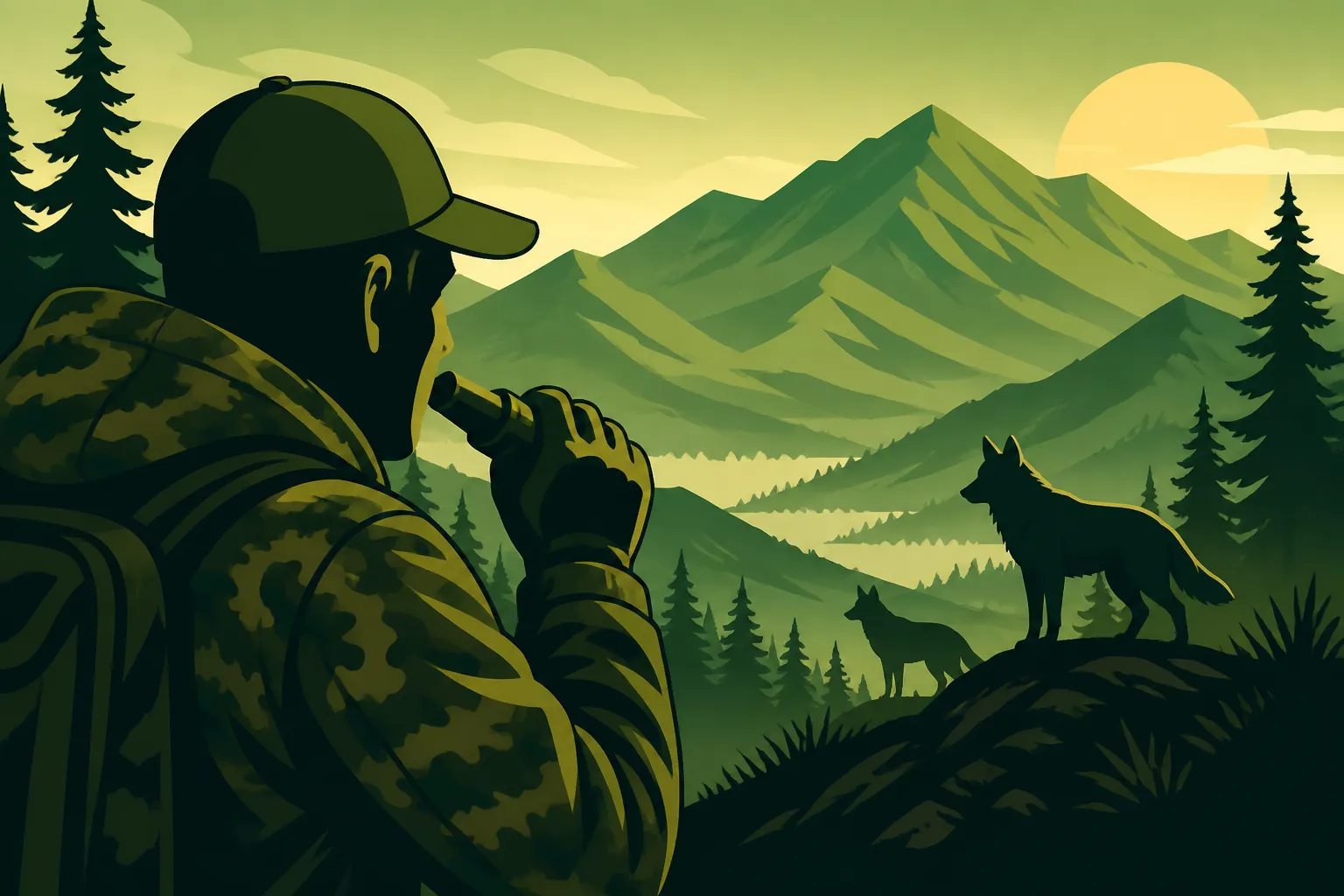
Hunting predators in Vermont's Green Mountain backcountry presents a unique and often frustrating challenge. The dense forests, steep inclines, and unpredictable thermals can make locating and calling in coyotes, bobcats, or even fox feel like finding a needle in a haystack. This guide aims to demystify the process, offering practical strategies and gear advice specifically tailored to the rugged beauty and inherent difficulties of hunting the Green Mountains.
Understanding the Green Mountain Backcountry Predator
The Green Mountain backcountry is a vast, wild landscape that truly tests a hunter's resolve. Unlike open farmland or rolling hills, the dense cover and elevation changes here mean predators move, hunt, and respond to calls differently. To be successful, you need to understand the animals you're pursuing and how they interact with this specific environment.
Primary Predator Species and Their Behavior
When you're out there braving the steep slopes and thick timber of the Green Mountains, your primary targets are most often coyotes, followed by bobcats, and occasionally fox. Each of these animals has evolved to thrive in this challenging terrain, and understanding their typical behavior is the first step to calling them in.
Coyotes in the Green Mountains, often referred to as Eastern Coyotes, are incredibly intelligent and adaptable. They range widely, covering vast territories that can include high ridges, deep valleys, and dense softwood thickets. They're often on the move, constantly searching for food, whether it's snowshoe hares, deer fawns, or even scavenging on winter-killed deer. Their keen senses of smell and hearing are amplified in the quiet, undisturbed backcountry, making them exceptionally wary. When you're out there, expect them to circle downwind, approaching with extreme caution, often melting into the shadows before you even know they're there. This is a stark contrast to how you might approach Coyote Calling Vermont Farm Country, where visibility and wind are managed very differently. For more on their presence, check out Vermont Coyote Range and Density.
Bobcats, while less numerous than coyotes, are the ultimate stealth hunters of the Green Mountains. These elusive felines prefer the dense cover of spruce and hemlock stands, rocky outcrops, and blowdowns – places where they can stalk prey unseen. They are notoriously difficult to call in, often responding to calls with extreme patience, sometimes taking 20-30 minutes to make an appearance, if they appear at all. Their movements are often confined to specific travel corridors within their territory, such as old logging roads, game trails, or stream beds. Understanding Vermont Bobcat Population Trends can give you a better appreciation for their rarity and the challenge they present.
Fox, primarily red fox, also inhabit the Green Mountains, though they tend to prefer the edges of open areas more than the deep, unbroken forest. However, they can certainly be found in the backcountry, especially where smaller clearings or old pastures border the dense woods. They are often less wary than coyotes or bobcats, sometimes responding more quickly and aggressively to calls, particularly during the colder months when food sources are scarce. They're opportunistic hunters, preying on small rodents, birds, and insects.
The Impact of Terrain and Habitat on Predator Movement
The Green Mountain terrain isn't just scenic; it dictates everything about how predators live and how you should hunt them. Steep hills, rocky ledges, and thick timber create natural barriers and travel corridors that influence where these animals spend their time and how they react to calls.
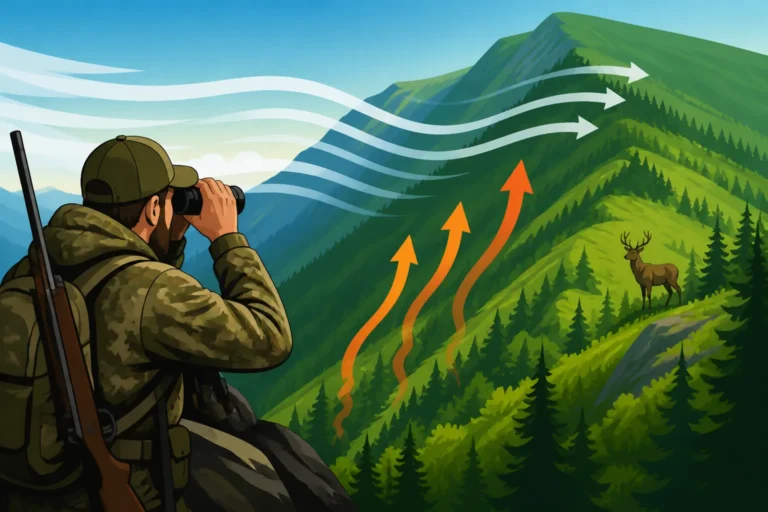
One of the biggest factors is elevation. Predators will use high ground to survey their territory and avoid danger. Ridges and saddles become natural highways, especially for coyotes moving between feeding areas. Valleys and hollows, particularly those with dense thermal cover like evergreen stands, provide bedding and denning sites. Understanding how thermals work here is critical; cold air sinks into valleys at night and early morning, then rises up the slopes as the sun warms the ground. Predators will use these thermal currents to their advantage, often approaching from downwind and downhill. Neglecting to account for Wind and Thermals in Steep Green Mountain Terrain is a surefire way to educate a predator or send it scurrying.
Habitat diversity is another key. Patches of dense softwood offer excellent thermal cover and bedding for all predators, as well as prime habitat for their prey like snowshoe hares. Areas of mixed hardwoods, especially those with good mast crops like acorns or beech nuts, attract deer, which in turn attract predators. Old logging cuts, even those that are now severely overgrown, create thick new growth that provides excellent cover and forage for smaller game, making them natural predator hunting grounds. When scouting, look for these transitions – where different habitat types meet – as they often act as natural funnels for wildlife movement.
Essential Gear for Backcountry Calling
Hunting the Green Mountain backcountry demands a specific approach to gear. You're not just calling in animals; you're often climbing significant elevation, navigating dense brush, and enduring unpredictable weather. Lightweight, durable, and reliable equipment isn't a luxury; it's a necessity. Skimping on the right tools can quickly turn a hopeful hunt into a miserable slog.
Calls and Decoys for the Steep Woods
Your calling arsenal is the centerpiece of your predator hunting strategy. In the Green Mountains, you need versatility and volume, but also subtlety. Both electronic and mouth calls have their place, and often, a combination is best.
Electronic calls are incredibly effective in the backcountry, primarily due to their volume and realism. They can project sound much farther through dense timber and up and down slopes than a mouth call, helping to reach coyotes or bobcats that might be a quarter-mile away. Look for units with a wide variety of sounds, including distress calls (rabbit, fawn, bird), pup howls, and even feline sounds. Brands like FoxPro or Convergent Hunting Solutions offer robust, reliable e-callers that stand up to the rigors of mountain hunting. When setting up, place your e-caller 20-50 yards upwind and in front of your position. This draws the predator's attention away from you, giving you a crucial advantage if they try to circle. Battery life is a critical consideration; carry spare batteries or a power bank, especially for longer hunts in cold weather.
Mouth calls, including diaphragms, open-reed, and closed-reed calls, are invaluable for their portability and the immediate control they offer. They're perfect for subtle sounds or finishing a wary animal that's hung up at a distance. A good distress call, like a jackrabbit or cottontail squeal, is a must. Incorporating a pup howl or a female invitation howl can also be incredibly effective, especially if you suspect there's a dominant male coyote in the area. The ability to quickly switch between sounds and adjust volume manually can be a game-changer when a predator appears unexpectedly close. Many experienced Green Mountain callers will use an e-caller for initial long-range attention, then switch to a mouth call for precise, close-range interaction.
Decoys can also play a vital role, especially for coyotes and sometimes fox. A simple, motion decoy, like a rabbit-fur spinner or a small electronic decoy, can provide that visual stimulation to draw a predator in the last few yards. When a predator hangs up at 100 yards, a decoy can sometimes be the missing piece that convinces them to commit. Place your decoy near your e-caller, slightly away from your position, to further draw the animal's focus. The key is realism and movement; a stationary, fake rabbit isn't nearly as convincing as one that appears to be struggling.
Optics and Navigation for Rugged Terrain
Effective predator calling in the Green Mountains isn't just about sound; it's about seeing the animal before it sees you, and knowing exactly where you are. Good optics and reliable navigation tools are absolutely essential.
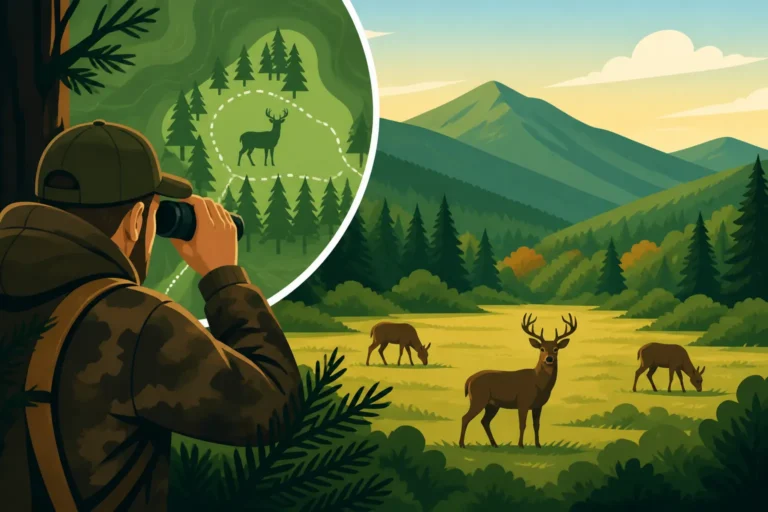
Binoculars are your best friend for scanning dense cover and spotting incoming predators. Look for a pair that offers a good balance of magnification (8x or 10x is ideal) and light-gathering capability (42mm objective lens or larger). High-quality glass makes a significant difference in low light conditions, such as dawn, dusk, or heavily shaded timber. Instead of constantly looking through your rifle scope, which narrows your field of view and can lead to eye fatigue, use your binoculars to systematically pick apart the terrain in front of you. This allows you to spot a twitching ear or a patch of fur that might otherwise go unnoticed. For glassing a clear-cut or a distant ridge, check out the recommendations on Binoculars for Glassing a Northeast Kingdom Bog.
A rangefinder is also crucial. Knowing the exact distance to potential shooting lanes or landmarks helps you make accurate shots when a predator finally presents itself. In the steep, broken terrain of the Green Mountains, judging distance by eye can be incredibly deceptive. Many modern rangefinders also include angle compensation, which is invaluable for uphill or downhill shots.
Navigation is paramount, especially when you're delving deep into the Green Mountain National Forest or other remote public lands. GPS units or robust mapping apps like onX Hunt or GoHunt are non-negotiable. These tools allow you to pinpoint your exact location, track your movement, mark calling setups, and identify property boundaries. Features like satellite imagery, topographic maps, and public/private land overlays are incredibly useful for e-scouting and identifying potential predator hotspots before you even set foot in the woods. Ensure you download offline maps, as cell service is often nonexistent in the deeper backcountry. This is crucial advice you'll also find for Using the Fish and Wildlife App Without Cell Service and for understanding onX Layers for Vermont Land Status. Always carry a compass and a physical map as a backup, and know how to use them.
Clothing and Footwear for Stealth and Comfort
Your clothing and footwear choices directly impact your comfort, stealth, and ultimately, your success in the rugged Green Mountains. This isn't a stroll in the park; you'll be putting in miles and sitting still in potentially harsh conditions.
Layering is key for managing your body temperature, especially with the elevation changes and varied activity levels (hiking versus sitting). Start with a moisture-wicking base layer to pull sweat away from your skin. Add insulating mid-layers, such as fleece or synthetic puffy jackets, that you can shed or add as needed. An outer shell that is both windproof and waterproof is essential for protection against rain, snow, and biting winds common in higher elevations. Choose quiet fabrics that won't rustle when you move or adjust your position, as sound travels far in the quiet woods. For more on this, consider the advice on Layering for Vermont's Long Hunting Season.
Camo patterns should blend into the dominant vegetation, which in Vermont usually means patterns designed for mixed hardwoods and conifers. While blaze orange is required during specific firearm seasons, during early archery or dedicated predator seasons, you can opt for full camouflage. Even when orange is required, ensure your camo base is effective.
Footwear might be the most critical gear choice. You need boots that provide excellent ankle support for navigating uneven terrain, a stiff sole for side-hilling, and superior traction on wet leaves, mud, and slippery rocks. Waterproofing is non-negotiable; wet feet quickly become cold, miserable feet. Look for boots with good insulation for colder weather, but ensure they breathe well enough to prevent sweat buildup during strenuous climbs. High-quality hiking or hunting boots from brands like Kenetrek or Schnee's, designed for rugged mountain terrain, are worth the investment. It's not just about comfort; it's about preventing injuries in remote areas. Consider these points when choosing Best Boots for Green Mountain Ridge Terrain.
Finally, don't forget essential accessories like a comfortable, properly fitting backpack to carry all your gear (including extra layers, food, water, and emergency supplies), gloves, a warm hat, and a headlamp. When packing for a remote hunt, the principles discussed for Best Pack for a Northeast Kingdom Moose Hunt can be surprisingly relevant to predator hunting, even if the prey is smaller.
Strategic Setup and Calling Techniques
Successfully calling predators in the Green Mountain backcountry is less about luck and more about strategic planning, meticulous execution, and adapting to the animals' behavior. This means carefully selecting your calling locations, mastering a versatile repertoire of calls, and constantly respecting the elements.
Reading the Landscape for Setup Locations
Choosing the right setup location is arguably the most crucial decision you'll make when predator calling in rugged terrain. It directly impacts your visibility, concealment, and how well your calls carry. The Green Mountains demand a keen eye for detail and an understanding of predator movement patterns.
First, consider the wind and thermals. These are non-negotiable in the mountains. Always approach your setup from downwind, keeping your scent from reaching the area where you expect a predator to approach. During the morning, as the sun warms the earth, thermals will typically rise. In the afternoon and evening, as things cool, they'll sink. This means a morning setup on a ridge might have thermals carrying your scent uphill, while an afternoon setup in a valley might have them carrying it downhill. The ideal is to have the wind (or rising thermal) carrying your scent away from where you expect the predator to come from, and ideally, for the animal to approach upwind of your call, but downwind of you. This is a complex dance that takes practice to master, but getting it wrong will bust your hunt every time.
Second, seek out natural funnels and travel corridors. Look for saddles between ridges, narrow draws, old logging roads, game trails, or edges where dense cover meets more open timber. These are the routes predators naturally use as they move through the landscape. Setting up overlooking these areas increases your chances of intercepting a traveling animal. Consider areas where different habitat types converge, like a pine stand transitioning to a hardwood ridge, or where a stream bottom meets a steep slope.
Third, prioritize concealment and visibility. You need a backdrop that breaks up your outline, like a thick cluster of spruce, a large boulder, or a blowdown. But you also need a clear view of the terrain where you expect the predator to appear. This often means finding a slightly elevated position, like a small knoll or bench, that allows you to see down into a draw or across a flat without being silhouetted. Avoid skylining yourself on top of a ridge. If possible, have multiple shooting lanes to cover different approach angles, as coyotes and bobcats are notorious for circling downwind. Set your e-caller 20-50 yards out in front of you, slightly off-angle, to draw their attention away from your hiding spot.
Mastering Call Sequences for Wary Green Mountain Predators
Once you're set up, your calling sequence is what brings the animals in. Green Mountain predators are often wary and educated, so a dynamic and adaptable calling approach is key. Don't just blast a single call repeatedly; think of it as telling a story.
Start with a loud, attention-grabbing distress sound. A rabbit in severe distress, a fawn bleat, or a bird in agony will cut through the timber and alert distant predators. Let this call run for 30-60 seconds, then pause for several minutes. Observe, listen, and scan the landscape with your binoculars. If you don't get an immediate response, repeat the sequence. This initial phase is about getting their attention.
If after 10-15 minutes you've heard nothing or seen no response, you might introduce some coyote vocalizations. Pup distress howls, lone howls, or challenge howls can provoke a territorial response. A lone howl might draw in a curious coyote, while a challenge howl could bring in an aggressive alpha. Remember, you're trying to appeal to their hunger, curiosity, or territorial instincts. For specifics on how coyotes respond, information regarding Coyote Calling at First Light might offer some parallel insights into their early morning behaviors.
Vary your volume and intensity. In dense cover, less volume might be needed if you suspect an animal is close. In wide-open areas or on windy days, you'll need to increase your volume to project the sound. Don't be afraid to experiment with different calls. Sometimes a bird distress call will work when a rabbit call won't, especially if predators are accustomed to one specific sound.
Patience is a virtue, especially for bobcats. While coyotes might come in relatively quickly, bobcats can take a long time to commit. Extended calling sequences, sometimes 30-45 minutes or even longer, are often necessary. Mix in some rodent squeaks or bird chirps during your pauses to mimic small prey activity.
Know when to stop calling. If a predator is clearly committed and heading your way, sometimes going silent is the best strategy. The natural inclination is to keep calling, but an animal focused on the last sound it heard might walk right into your lap. If it hangs up, then introduce a subtle, soft sound to coax it the rest of the way.
The Importance of Wind and Thermals in Mountain Calling
I can't stress this enough: understanding and utilizing wind and thermals is the single most critical factor for success in Green Mountain predator calling. Ignore them at your peril, and you'll find yourself wondering why no animals are responding to your perfect calls.
The Green Mountains are a labyrinth of microclimates and unpredictable air currents. What the wind is doing at the top of a ridge might be completely different from what it's doing in the valley below. Thermals are essentially localized air currents driven by temperature differences. As the sun heats slopes, the air rises (updrafts). As areas cool, air sinks (downdrafts). These shifts are most pronounced during the first few hours after dawn and the last few hours before dusk.
Your primary goal is to keep your scent away from the areas where predators are likely to approach. This almost always means positioning yourself downwind of where you expect the animal to come from. However, in mountain terrain, "downwind" isn't a simple straight line.
Here's how to think about it:
- Morning Hunts: As the sun rises, thermals typically start to lift air up the slopes. If you're calling from a valley floor, your scent will likely rise with the thermals. If you're on a ridgeline, your scent might initially fall into the valley before rising as the day progresses. The safest bet is often to set up on a high point, calling into a lower area, with the expectation that rising thermals will carry your scent over the animals below.
- Afternoon/Evening Hunts: As the day cools, thermals reverse, and air begins to sink down the slopes. If you're calling from a ridge, your scent will now likely fall into the valley. Setting up on a lower bench or in a valley, calling uphill, might be a good strategy, allowing your scent to be carried downhill and away from where the animals would be coming from.
- Crosswinds: A true crosswind can be tricky. You want your scent to blow across an area after the predator has passed it, or ideally, for it to blow entirely away from the probable approach path.
- Swirling Winds: These are the bane of every mountain hunter. When the wind is unpredictable, it's often best to find a setup that mitigates the risk, perhaps a very tight funnel where animals must approach from a limited direction, or to simply reconsider hunting that spot until conditions improve.
Always carry a wind checker (a small bottle of powder or milkweed down works great) and use it constantly. Before you even walk into your calling stand, check the wind. During your setup, check it again. And throughout your calling sequence, periodically check the wind to ensure it hasn't shifted unexpectedly. Predators will almost always circle downwind of the sound source to catch a whiff of what's making the noise. If they catch your scent, the game is over. For a deeper dive into this vital topic, consult Wind and Thermals in Steep Green Mountain Terrain.
Overcoming Common Backcountry Challenges
The Green Mountains are stunning, but they don't give up their secrets easily. Hunting predators here means facing a unique set of challenges that can derail even the most well-planned hunt. Knowing what to expect and how to mitigate these issues is crucial for success and safety.
Dealing with Hunting Pressure and Educated Animals
Vermont's public lands, while vast, do see hunting pressure. This is especially true on accessible state lands or portions of the Green Mountain National Forest. Predator hunters, just like deer hunters, will gravitate towards easier-to-reach areas. This means many of the coyotes and bobcats in these spots have heard calls before, making them exceptionally wary and "call-shy."
The primary frustration is often the "hang-up" – where a predator approaches to a certain distance, then stops, refusing to commit further. They might circle downwind, or simply stand and stare, trying to pinpoint the source of the sound without exposing themselves. They're looking for movement, a visual cue that doesn't quite match the distress call they're hearing. This is where a good motion decoy placed near your e-caller can make all the difference, drawing their attention away from your hiding spot.
To counter educated animals, you need to employ a few tactics:
- Hunt Deeper: The further you are willing to walk from roads and parking areas, the less pressure you'll likely encounter. Predators in these remote areas are often less wary simply because they've had fewer encounters with humans. For tips on finding less-pressured ground, read Finding Ground Others Walk Past.
- Vary Your Calls: If everyone in a particular area is blasting a rabbit distress call, try something different. Fawn bleats, bird distress, or even mouse squeaks can be unexpected and more effective. Experiment with pup howls or even a challenge howl if you suspect an alpha male.
- Extended Calling Sequences: As mentioned earlier, patience is key. Instead of calling for 10-15 minutes, extend your sets to 30-45 minutes, especially for bobcats. Wary animals take more time to commit.
- Silence and Subtlety: Sometimes, less is more. After an initial aggressive sequence, switch to very soft, subtle sounds. A few soft whimpers or mouse squeaks can sometimes pull in a predator that's hung up and trying to locate the exact source.
- Aggressive Finishes: If a predator is clearly hanging up, consider an aggressive finish – a quick burst of intense distress, or even a challenge howl if it's a coyote. This can sometimes push them over the edge, but it's a risky move that can also send them running.
Remember, every encounter is a learning experience. Pay attention to how animals respond (or don't respond) in different areas and adjust your tactics accordingly.
Navigating Dense Cover and Steep Ascents
The Green Mountains are aptly named. The terrain is often steep, rocky, and covered in dense timber, thick brush, or unforgiving spruce thickets. This makes navigation and movement a constant challenge.
Movement noise: Moving quietly through dense cover is nearly impossible. Twigs snap, leaves rustle, and boots scrape rocks. This means your approach to a calling stand needs to be as quiet and deliberate as possible. Plan your routes carefully, using existing game trails, old logging roads, or contours that allow for quieter movement. Avoid busting through thickets if you can help it. The sound you make approaching could alert predators within earshot long before you're ready to call.
Physical demands: Steep ascents and descents are physically demanding, especially when carrying gear. You need to be in reasonably good shape, or you'll quickly become fatigued, making quiet movement and long sits difficult. Invest in high-quality boots that provide excellent support and traction to prevent slips and falls. A good backpack with a comfortable suspension system will also make a huge difference in managing the load.
Visibility: Dense cover severely limits visibility, both for you and for the incoming predator. This makes spotting an animal before it spots you incredibly difficult. When selecting a setup, prioritize an area with a reasonable shooting lane and a clear line of sight in the most likely direction of approach. Be prepared for close-range encounters, as predators can materialize silently out of thick brush within bow range.
Navigation: Getting lost in the vastness of the Green Mountain National Forest or other remote public lands is a very real concern, especially when you're off-trail. Rely on your GPS or mapping app, and constantly orient yourself with landmarks. Before you head out, make sure you know How Many Acres Green Mountain National Forest Covers and the sheer scale of the wilderness you're entering. Having offline maps downloaded is critical since cell service is unreliable. A compass and paper map are essential backups. Always tell someone where you are going and when you expect to return.
Safety Considerations in Remote Vermont Wilderness
Hunting in the remote Green Mountain backcountry isn't without its risks. Beyond the challenges of the hunt itself, you need to prioritize your personal safety.
Weather: Vermont weather can change rapidly and unpredictably, especially in the mountains. A sunny morning can quickly turn into a cold, driving rain or even snow. Carry emergency rain gear, extra layers, a fire starter, and a small emergency blanket. Hypothermia is a serious risk, even in moderate temperatures if you get wet and the wind picks up.
Wildlife Encounters: While rare, encounters with larger wildlife like moose or even bears are possible. Knowing Where Vermont Bucks Bed in Thick Cover might hint at areas where other large mammals might also be bedding. Be aware of your surroundings, especially if you're approaching dense cover. Carrying bear spray is a wise precaution, particularly during bear season.
First Aid and Emergency Communication: You are often hours from medical help. A comprehensive first aid kit is essential, including supplies for cuts, sprains, and blisters. If you're venturing deep into truly remote areas, consider carrying a satellite communication device (like a Garmin inReach or Zoleo) for emergency communication. Cell service is unreliable, so don't count on your phone to call for help.
Blaze Orange: During any firearm season (deer, bear, moose), wearing blaze orange is a legal requirement in Vermont. Even during archery or predator-only seasons, if other hunters are likely to be in the woods, wearing a visible amount of orange can significantly increase your safety. When Bowhunting During Vermont's Rifle Season, for instance, blaze orange is still mandated, emphasizing its importance for hunter safety.
Hydration and Nutrition: Pack plenty of water and calorie-dense snacks. The physical exertion of climbing and navigating can quickly lead to dehydration and fatigue. Having enough fuel will keep your mind sharp and your body performing.
Seasonal Nuances of Backcountry Predator Calling
The Green Mountains undergo dramatic seasonal transformations, and successful predator calling requires adapting your strategies to these changes. What works in a vibrant fall might be entirely ineffective in a silent, snowy winter.
Fall Calling Strategies in Exploding Foliage
Autumn in Vermont is breathtakingly beautiful, but the dense, colorful foliage presents its own set of challenges and opportunities for predator callers. This is a time of transition, with animals focused on fattening up for winter.
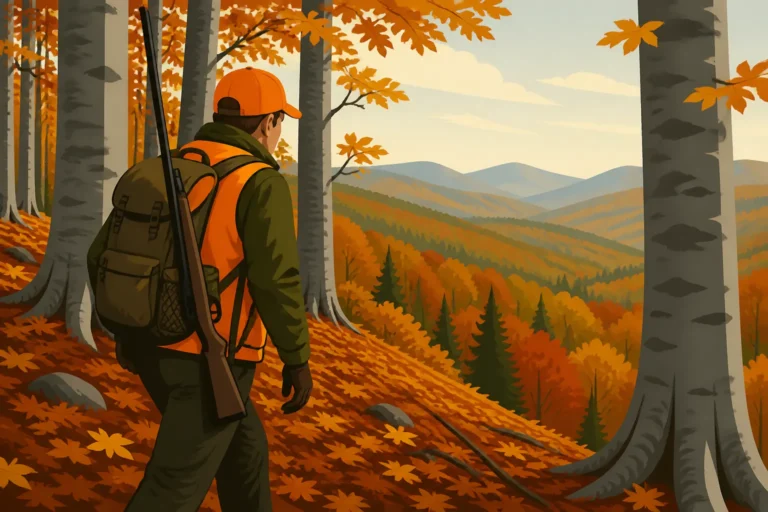
Visibility: The glorious fall foliage, while stunning, can be a major hindrance to visibility. Leaves on the trees limit your line of sight, making it harder to spot an approaching predator. Once the leaves drop, visibility improves dramatically, but until then, you need to pick your setups carefully, focusing on natural openings, logging roads, or sparse timber. This also means predators have more cover to approach undetected, so constant scanning with binoculars is paramount.
Food Sources: Fall is a time of abundance. Deer are active, mast crops like acorns and beech nuts are falling, and small game populations are often at their peak. Predators, particularly coyotes, are busy capitalizing on these food sources. They may be less eager to respond to distress calls if they're already gorging on a fresh kill or a deer carcass. This means your calls need to be particularly enticing or hit a territorial nerve. Fawn bleats can be highly effective, as can distress calls mimicking a deer in trouble.
Activity Levels: As the rut approaches for deer, coyotes will be highly active, shadowing deer herds and looking for opportunities to prey on fawns or weak individuals. This increased activity can make them more responsive to calls, especially howls. Bobcat activity might also increase as they hunt for squirrels, rabbits, and grouse that are more visible before the deep snows arrive.
Thermals and Wind: Early fall might still see rising thermals in the mornings, but as the temperatures drop, particularly in late October and November, sinking thermals become more prevalent in the evenings. Pay close attention to these shifts. The advice for Hunting the Regular Archery Opener in October often touches on these environmental conditions relevant to any hunter in the woods.
Winter Calling: Snow and Cold Tactics
Winter transforms the Green Mountains into a stark, silent landscape of snow and ice. This is arguably the most challenging, but also the most rewarding, time to hunt predators. Trackability is a huge advantage, but the cold and snow bring their own difficulties.
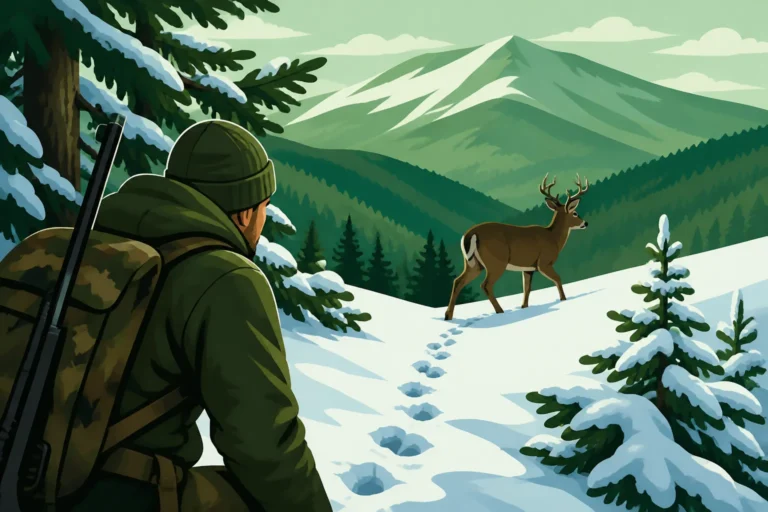
Trackability and Scouting: Snow is a game-changer. Fresh snow reveals every track, allowing you to scout effectively even on hunting days. Look for fresh coyote, bobcat, or fox tracks on ridges, logging roads, and stream beds. These tell you exactly where animals are traveling and concentrating their efforts. You can pinpoint travel corridors and key feeding areas before you even make a call. This is where Tracking a Deer in Fresh Green Mountain Snow can teach you a lot about interpreting animal movement in winter.
Food Scarcity: Winter is a lean time in the Green Mountains. Natural food sources become scarce, and predators are constantly hungry. This makes them much more susceptible to calls. A well-placed distress call in winter can often elicit a more aggressive and quicker response from a hungry coyote or bobcat.
Visibility: With leaves gone and snow on the ground, visibility is greatly enhanced. You can see farther into the woods, and animals stand out against the white background. This makes spotting incoming predators easier, but it also means they can spot you more easily. Concealment is still crucial.
Movement and Silence: Snow can muffle sound, allowing you to move more quietly if you know how to walk in it. However, crusty snow can be incredibly noisy. Choose your routes carefully. When calling, the stillness of the winter woods means sounds carry much farther. Adjust your call volume accordingly.
Cold and Comfort: Extreme cold is a constant battle. You need insulated, waterproof clothing and boots that can handle sub-zero temperatures and deep snow. Consider hand warmers, a thermos of hot coffee or soup, and a thick foam pad to sit on. Staying comfortable and warm is vital for maintaining focus during long sits. The challenges of Cold-Weather Sitting Strategy in the Northeast Kingdom are highly applicable here.
Calling Sequence: In winter, don't be afraid to be aggressive with your distress calls. Prolonged, high-volume sequences are often effective at drawing in hungry predators. Mix in howls to challenge dominant coyotes. For bobcats, continue with your patient, extended sets, focusing on rodent squeaks and bird chirps.
| Call Type | Primary Target | Best Use Case in Green Mountains | Notes |
|---|---|---|---|
| Electronic Calls | Coyote, Bobcat | Long-range attraction, high volume through cover | Versatile sounds, set 20-50 yards out from hunter. Batteries crucial. |
| Rabbit Distress | Coyote, Fox | All seasons, most common and effective | High-pitched squeals, mimic injured prey. Often a good opener. |
| Fawn Distress | Coyote, Bobcat | Fall, especially during deer hunting season | Appeals to opportunistic predators. Can be very effective for educated animals. |
| Bird Distress | Coyote, Fox | Year-round, especially good for wary animals | Less common, can offer a unique sound not often heard by pressured predators. |
| Pup Howls | Coyote | Territorial response, especially dominant males | Mimics young in distress, can draw in protective or curious adults. |
| Challenge Howls | Coyote | Provoking dominant males/females | Aggressive sound, use sparingly on educated coyotes. Best for remote areas. |
| Mouse Squeaks | Fox, Bobcat | Subtle, close-range finishes | Very soft, often used to coax an animal the last few yards or when hung up. |
| Motion Decoys | Coyote, Fox | Visual attraction for wary animals | Placed near e-caller, draws focus away from hunter. |
Disclaimer
Hunting involves inherent risks, including but not limited to those associated with firearms, archery equipment, wildlife encounters, and outdoor conditions. Always prioritize safety, adhere to all Vermont Fish & Wildlife Department regulations, and obtain appropriate licenses and permits. The information provided in this guide is for informational purposes only and should not replace proper hunter education, professional training, or personal judgment. Be aware of your surroundings, respect private property, and practice ethical hunting principles.