Vermont Deer Harvest Records
You've put in the time scouting, practiced your shots all summer, and now the seasons are opening up. But sometimes, despite all that effort, you wonder: am I hunting the right areas? Are the deer even there like they used to be? It's easy to get frustrated when you feel like you're chasing ghosts, and that's why diving into the hard data, like Vermont's deer harvest records, can be an absolute game-changer. This comprehensive guide will peel back the layers of those numbers, showing you exactly what they mean for your hunts and how to use them to your advantage.
Understanding Vermont's Deer Harvest Data Collection
When we talk about deer harvest records in Vermont, we're not just throwing around anecdotal stories from camp. We're talking about real, verifiable data collected by the Vermont Fish and Wildlife Department, and it's a treasure trove of information if you know how to read it. These numbers are the backbone of how the state manages its deer herd, ensuring healthy populations for future generations of hunters. For us, they offer invaluable insights into where the deer are, what they're doing, and even how successful hunters are in different areas.
The Deer Reporting Process and Its Significance
Every single deer taken in Vermont, regardless of the season—be it archery, rifle, or muzzleloader—must be reported to the Vermont Fish and Wildlife Department. This isn't just a formality; it's a critical step in the data collection process. Traditionally, this meant visiting a designated check station, where game wardens or official agents would gather information on the deer, including its weight, sex, antler points (if a buck), and the Wildlife Management Unit (WMU) where it was harvested. In recent years, recognizing the need for convenience and efficiency, the state has also implemented an online and app-based reporting system. Hunters can now report their deer from the comfort of their home or even directly from the field via the Fish and Wildlife app, as detailed in Reporting a Deer Through Vermont's App.
This meticulous reporting system is vital because it provides wildlife biologists with a clear snapshot of the deer herd's health and distribution. Without accurate data from hunters, it would be incredibly difficult to make informed decisions about season lengths, bag limits, and antlerless permit allocations. Each reported deer contributes to a larger picture, helping the department understand population trends, monitor herd health, and identify areas that might need different management strategies. So, when you take the time to report your deer, you're not just fulfilling a legal obligation; you're actively participating in the scientific management of Vermont's cherished whitetail resource.
Why These Harvest Records Matter to Hunters
Beyond the scientific and management aspects, these harvest records hold immense practical value for individual hunters. Let's be honest, we all want to increase our chances of success, and this data provides a tangible way to do that. By looking at historical harvest numbers, you can identify WMUs or even specific regions that consistently produce higher deer harvests. This can guide your scouting efforts, helping you decide where to focus your attention, whether you're planning for Bowhunting Vermont's Expanded Archery Season or strategizing for Vermont's November Rifle Season.
Moreover, the records often break down harvests by season and deer type (buck vs. antlerless). This level of detail allows you to fine-tune your approach. For example, if you notice a particular WMU has a high antlerless harvest but a low buck harvest, it might indicate a dense deer population that could benefit from antlerless removal, or perhaps a lower buck-to-doe ratio. Conversely, an area with a strong buck harvest might suggest better habitat or more mature deer. Platforms like GoHunt, which often integrate publicly available harvest data with mapping tools, make it incredibly easy to visualize these trends and start forming a strategy before you even step foot in the woods. Understanding these nuances can save you countless hours of unproductive hunting and put you in areas with a higher probability of success.
Key Metrics and Trends in Vermont Deer Harvest
Delving into the actual numbers reveals fascinating patterns and shifts in Vermont's deer population over time. It's not just about the raw count of deer taken; it's about the bigger picture these statistics paint, from long-term population health to the dynamics between buck and antlerless harvests. Observing these trends can help hunters adapt their strategies and understand the current state of the herd.
Historical Harvest Overview and Fluctuations
Vermont's deer harvest numbers aren't static; they fluctuate year by year, influenced by a myriad of factors. Looking at the total deer harvest over the past decade, for instance, provides a baseline understanding of the herd's general health and resilience. Some years might see a dip due to severe winter conditions, which can lead to increased winter mortality, particularly in regions like the Northeast Kingdom where harsh winters are common. Other years, mild winters and abundant mast crops can contribute to robust fawn survival and a larger overall population, resulting in higher harvest numbers. The Vermont Fish and Wildlife Department publishes detailed annual harvest reports, which are invaluable resources for hunters interested in these long-term patterns, allowing you to Reading a Vermont Harvest Report with a deeper understanding.
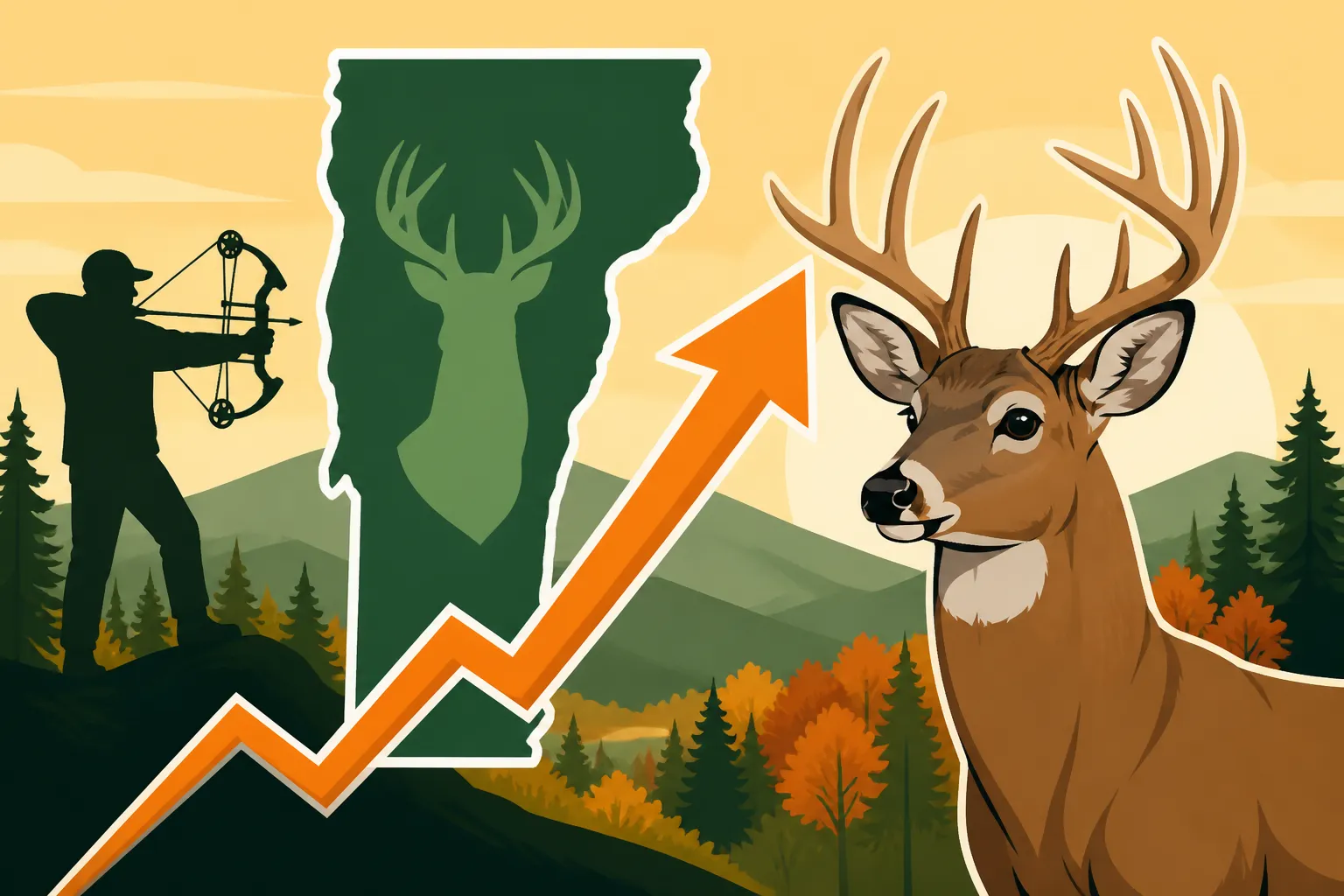
For example, a quick glance at the data might show an average annual statewide harvest of around 15,000 to 18,000 deer, but with noticeable peaks and valleys. These fluctuations aren't necessarily a sign of a struggling herd; often, they reflect the cyclical nature of wildlife populations and environmental conditions. What's crucial is the overall trend. Is the average harvest steadily declining over several years, or does it generally remain stable with natural variations? This big-picture perspective helps hunters appreciate the challenges and successes of deer management in a state with diverse terrain and weather patterns like Vermont.
Analyzing Buck Versus Antlerless Harvest
One of the most critical aspects of deer harvest data is the breakdown between antlered bucks and antlerless deer (does and fawns). This ratio is a direct reflection of the management strategies employed by the Vermont Fish and Wildlife Department and offers insights into the herd's demographic structure. Wildlife managers often use antlerless permits as a primary tool to control population size, particularly in areas where deer numbers are high or causing agricultural damage. A higher antlerless harvest, therefore, generally indicates a concerted effort to reduce the overall deer population in specific WMUs.
Conversely, a consistent harvest of mature antlered bucks, especially those with impressive racks, points to a healthy age structure within the buck population. The goal isn't just to have more deer, but to have a healthy deer herd, and that includes a balanced buck-to-doe ratio and older age classes of bucks. Vermont's Vermont's Dual Antlerless Permit Rule allows hunters to take additional antlerless deer, further impacting this balance. Savvy hunters use this data to inform their decisions. If you're looking for a mature buck, you might prioritize areas with a history of strong buck harvests. If you're simply aiming to fill your freezer, areas with high antlerless harvests might offer more opportunities, especially during specialized seasons like the October antlerless muzzleloader window.
Hunter Success Rates and Participation Trends
Beyond the number of deer harvested, the data also often reveals hunter success rates. This metric, usually expressed as a percentage of hunters who successfully take a deer, can be incredibly insightful. It tells us not just about the deer population, but also about the hunting pressure and the overall "huntability" of different areas. A low success rate in a seemingly deer-rich area might indicate significant hunting pressure or challenging terrain, while a higher rate could point to abundant deer and more accessible hunting opportunities.
Participation trends are also worth noting. Has the number of licensed hunters increased or decreased over the years? Changes in hunter numbers can directly impact hunting pressure and, consequently, harvest outcomes. For example, a surge in hunter numbers during a specific season could lead to increased harvest, but also potentially more crowded public lands. Understanding these dynamics can help you plan your hunts to potentially avoid peak pressure points or target areas that might be overlooked. Platforms like GoHunt allow you to cross-reference these success rates with geographical features, helping you identify pockets of opportunity on both public and private lands.
Here’s a simplified example of how annual harvest data might look, showcasing fluctuations and the buck-to-doe ratio:
| Year | Total Deer Harvest | Antlered Bucks | Antlerless Deer | % Antlered | Hunter Success Rate |
|---|---|---|---|---|---|
| 2021 | 16,250 | 10,100 | 6,150 | 62% | 19.5% |
| 2022 | 17,900 | 11,200 | 6,700 | 63% | 21.0% |
| 2023 | 15,500 | 9,800 | 5,700 | 63% | 18.0% |
| 2024 | 17,100 | 10,700 | 6,400 | 63% | 20.2% |
This table provides illustrative data for demonstration purposes.
Regional Variations in Vermont Deer Harvest
Vermont is a state of incredible diversity, from the fertile farmlands of the Champlain Valley to the rugged peaks of the Green Mountains and the vast wilderness of the Northeast Kingdom. It stands to reason that deer populations and, consequently, deer harvest records, will vary significantly across these distinct regions. Understanding these regional differences is paramount for any hunter looking to maximize their opportunities.
Champlain Valley Versus Northeast Kingdom Deer Density
When you look at Vermont Deer Population Estimate and harvest data, a clear picture emerges: deer density and harvest success are often highest in the Champlain Valley. This region, characterized by agricultural lands, mixed woodlands, and milder winters, provides an abundance of food sources (like corn and alfalfa) and relatively accessible terrain. Deer in the Champlain Valley often have better nutrition, leading to healthier animals, higher fawn survival rates, and often, larger body weights and antler growth. This makes it a popular destination for many hunters, contributing to a consistently strong harvest. The data often reflects more deer taken per square mile in WMUs within this area.
In stark contrast, the Northeast Kingdom, while offering vast tracts of public land and a more remote hunting experience, typically has lower deer densities and, as a result, lower overall harvest numbers. The harsh winters, dense softwood cover, and more limited agricultural food sources mean deer face greater challenges. Survival rates can be lower, and deer often mature slower. However, what the Northeast Kingdom lacks in sheer numbers, it can make up for in the quality of the hunting experience and the potential for true wilderness bucks. Hunters here might work harder for their deer, but the reward of a hard-earned buck from Hunting the Northeast Kingdom can be immensely satisfying. Northeast Kingdom Versus Champlain Valley Deer provides an even deeper dive into these regional differences.
Identifying Top-Performing Wildlife Management Units (WMUs)
Within these broader regions, harvest records pinpoint specific Wildlife Management Units (WMUs) that consistently stand out. These "top-performing" WMUs often boast a combination of favorable habitat, balanced deer populations, and manageable hunting pressure. The Vermont Fish and Wildlife Department's annual harvest reports will list the total deer harvested by WMU, allowing you to easily identify which units yield the most deer. For example, some WMUs along the fertile Connecticut River Valley or in parts of southern Vermont might consistently show higher numbers due to a blend of agricultural resources and diverse forest types.
However, "top-performing" doesn't always mean easy hunting. A WMU with a high harvest might also attract more hunters, leading to increased pressure. The trick is to dig deeper. Are the high harvest numbers a result of a high antlerless harvest due to liberal permit issuance, or is it consistently producing a good number of mature bucks? This distinction can guide your decision-making. Utilizing mapping software like GoHunt, you can overlay historical harvest data onto topographic and land ownership maps. This allows you to not only see which WMUs are productive but also to start visualizing where within those WMUs deer might be concentrated, helping you plan your Scouting Vermont Public Land Before Season more effectively.
Factors Influencing Vermont's Deer Harvest
Deer harvest numbers are a direct reflection of the deer population, and that population is constantly influenced by a complex interplay of natural and human-made factors. It's never as simple as "more deer, more harvest." Understanding these underlying influences helps us appreciate the challenges of wildlife management and why harvest numbers can fluctuate.
Weather and Environmental Conditions
Mother Nature plays a huge role in the health and size of Vermont's deer herd, and consequently, in the harvest numbers. Severe winters, especially those with prolonged periods of deep snow and extreme cold, can be devastating for deer. Deer need to burn more calories to stay warm and move through deep snow, often depleting their fat reserves. This leads to higher winter mortality, particularly among fawns and older, weaker deer, which directly impacts the number of deer available for harvest in subsequent seasons. How Deep Snow Affects Vermont Deer Survival details just how critical these conditions can be.
Beyond winter, other environmental factors like mast crop failures (acorns, beechnuts) can significantly affect deer health and movement patterns. A poor acorn year, for instance, might force deer to travel more widely in search of alternative food sources, making them more vulnerable or altering their usual patterns. Conversely, abundant food sources can lead to robust fawn survival and healthier deer, contributing to higher harvest numbers in future years. Understanding these natural cycles is crucial, and astute hunters often pay close attention to weather forecasts and mast crop reports as part of their season planning.
Regulatory Changes and Season Structures
The Vermont Fish and Wildlife Department actively manages the deer herd through various regulatory mechanisms, and these changes directly impact harvest numbers. Alterations to season lengths, bag limits, and permit structures are all designed to either increase or decrease the harvest to achieve specific management goals. For example, the Vermont's New Archery-During-Rifle Overlap Rule was a significant change that introduced new opportunities for bowhunters, potentially influencing the overall archery harvest during a traditionally rifle-dominated period.
The allocation of antlerless permits is another powerful tool. In areas where deer populations are deemed too high, the department might issue more antlerless permits to reduce herd size and alleviate pressure on habitat or agricultural lands. Conversely, in areas where deer numbers are lower, antlerless permits might be restricted or not issued at all. These regulatory decisions are made based on scientific data, including harvest records, herd health assessments, and citizen input. Staying informed about these changes, which are often communicated through the Fish and Wildlife website and social media, is essential for any hunter.
Population Dynamics and Herd Health
The overall health and dynamics of the deer population itself are fundamental drivers of harvest success. This includes factors like the age structure of the herd, the buck-to-doe ratio, and the prevalence of diseases. A healthy, balanced herd with a good mix of age classes is more resilient and typically provides more consistent hunting opportunities. Vermont Deer Wintering Yards Explained highlights how important specific habitats are for deer survival and population dynamics.
While Vermont's deer herd currently remains Vermont's CWD-Free Deer Herd, ongoing monitoring for diseases like Chronic Wasting Disease (CWD) is a critical component of herd management. Any outbreak could have severe implications for population health and future harvest opportunities, leading to immediate regulatory changes. Predator populations, particularly coyotes, also play a role, especially in fawn recruitment. A high predator load can impact fawn survival, potentially leading to fewer deer in the harvest pool down the line. All these internal population dynamics are constantly monitored by biologists, and the harvest data serves as a key indicator of their findings.
Interpreting Harvest Data for Future Hunts
Looking at historical deer harvest records isn't just an exercise in reviewing numbers; it's a powerful scouting tool that can significantly influence your success in the field. The key is to move beyond simply noting "more deer here" and truly interpret what the data suggests about deer behavior, habitat, and hunter pressure.
Scouting with Data: Pinpointing Potential Hotspots
One of the most practical applications of harvest data is using it to identify potential hotspots long before the season opens. Instead of blindly wandering through the woods, you can use past success rates to guide your pre-season scouting. For instance, if the data consistently shows high buck harvests in a particular WMU, you can then delve deeper into that WMU using mapping tools like GoHunt. Zoom in on areas within that unit that have public land access, or analyze the habitat types. Are there large timber cuts? Areas with diverse mast crops? Water sources? These are all factors that, when combined with strong harvest data, suggest favorable deer habitat.
Consider this: if a specific public land parcel within a high-producing WMU consistently shows good harvest numbers, especially for bucks, it's worth a closer look. You can use satellite imagery on platforms like GoHunt to identify transition areas, pinch points, or bedding cover that might explain the deer activity. This data-driven approach allows you to focus your limited scouting time on areas that have a proven track record of deer activity, rather than simply hoping for the best. It's like having an insider's tip, but it's available to anyone willing to do the research.
Timing Your Hunt: Aligning with Peak Activity
Harvest records also offer clues about the optimal timing of your hunts. While the rut generally peaks in early to mid-November across Vermont, detailed harvest data can sometimes highlight specific windows of increased activity in certain WMUs. For example, you might notice that a particular WMU sees a significant spike in buck harvest during the last week of October, suggesting an earlier pre-rut movement, or a heavier concentration of activity around the second week of November. This information, combined with an understanding of Hunting the Rut in Early-to-Mid November, can help you strategically plan your days off or vacation time.
Furthermore, analyzing data from the various seasons (archery, rifle, muzzleloader) can reveal if deer behavior changes significantly. For instance, the expanded archery season might show consistent harvest numbers earlier in September, while the regular archery season might reflect a later surge as the rut approaches. If you're planning for Hunting a Muzzleloader Tag After Rifle Season Closes, reviewing past December muzzleloader harvest data can give you an idea of where deer might be concentrated during the late season, often around remaining food sources or prime wintering cover. By understanding these seasonal shifts as reflected in the harvest records, you can align your hunting efforts with the times and places where deer activity (and thus hunter success) is historically at its peak.
Vermont's CWD Surveillance and Its Impact on Harvest
Maintaining a healthy deer herd is paramount for the future of Vermont hunting, and one of the most significant threats to deer health across North America is Chronic Wasting Disease (CWD). While Vermont remains CWD-free, the state takes extensive preventative measures, which directly influence harvest regulations and hunter responsibilities.
Preventative Measures and CWD Testing
Vermont's proactive stance against CWD is critical. The Vermont Fish and Wildlife Department operates a robust Vermont's CWD Surveillance Program that includes testing deer harvested in specific areas, especially those near the state's borders or in regions with higher deer densities. This isn't just about waiting for an outbreak; it's about early detection and prevention. While testing isn't typically required for every harvested deer statewide, the department does target specific WMUs or takes samples during routine check station operations. This careful monitoring ensures that if CWD were to ever enter the state, it would be detected as quickly as possible.
Hunters play a vital role in this surveillance. By complying with reporting requirements and participating in voluntary testing programs when asked, you directly contribute to the state's ability to maintain a healthy herd. The cost of a CWD outbreak would be catastrophic for the deer population and for hunting traditions, making these preventative measures, even if they sometimes add a small step to the harvest process, absolutely necessary for the long-term health of White-Tailed Deer Across Vermont.
Carcass Rules and Hunter Responsibility
Because CWD can be spread through infected deer carcasses, Vermont has implemented strict rules regarding the importation of deer, moose, and elk carcasses from outside the state. This is a crucial line of defense. Hunters who travel to other states where CWD is present must be extremely careful about what parts of a harvested animal they bring back into Vermont. Generally, only deboned meat, clean skull plates, antlers, and hides are allowed. Whole carcasses, or parts containing spinal cord or brain tissue, are prohibited.
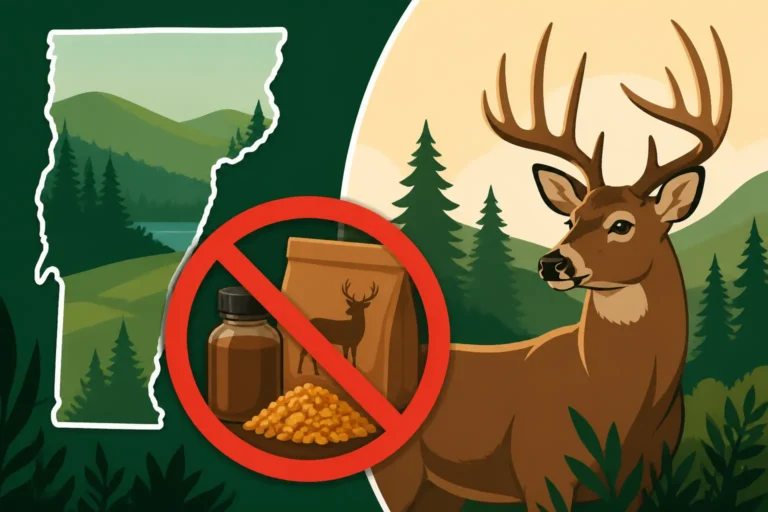
These rules are not just bureaucratic hurdles; they are science-backed measures to protect Vermont's herd. It's a hunter's responsibility to know and follow Vermont's Carcass Import Restrictions to prevent the accidental introduction of CWD. Additionally, Vermont has a rule Vermont's Rule Against Urine-Based Deer Lures for similar reasons, as these products can potentially transmit CWD prions. Understanding and adhering to these regulations is a crucial aspect of ethical hunting and a direct contribution to the continued health of Vermont's deer population, ensuring that our harvest records remain strong and our deer remain healthy for generations to come.
Disclaimer
Please remember that hunting regulations, season dates, and permit requirements in Vermont can change. Always consult the official Vermont Fish and Wildlife Department website or the most current hunting law book before planning and engaging in any hunting activities. This guide is for informational purposes only and does not supersede state regulations.