Why Vermont Has Stayed CWD-Free
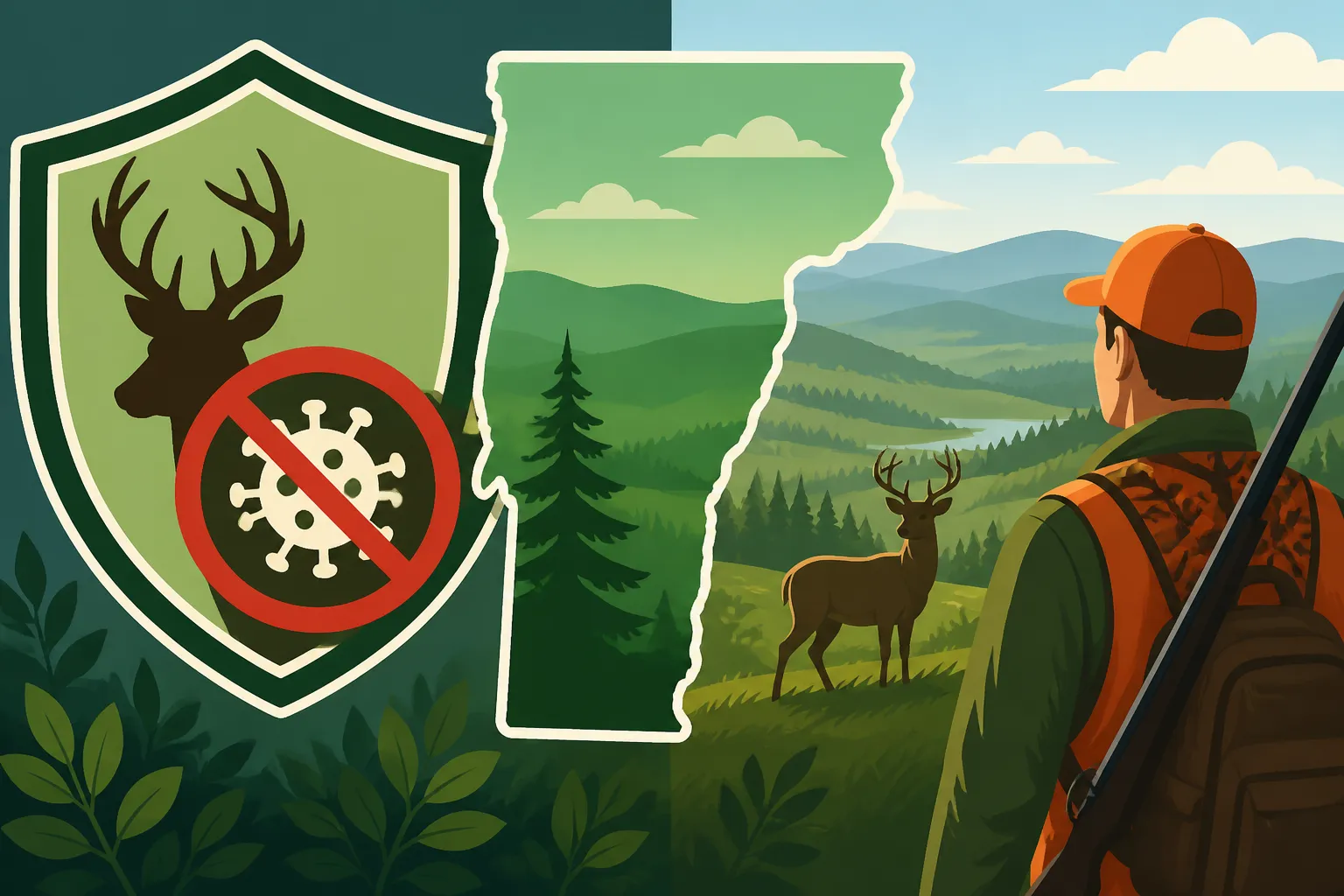
As hunters, the thought of Chronic Wasting Disease (CWD) is a cloud that hangs over our beloved pastime, a stark reminder of how quickly a disease can devastate a deer or moose herd. We’ve all heard the stories from other states, the heartbreak and the drastic measures taken. It's only natural to worry about it spreading to our beloved Green Mountains. The good news is, Vermont has managed to keep its wild deer and moose herds CWD-free, and this guide will dive deep into the comprehensive strategies, natural advantages, and community efforts that have made that possible.
Understanding Chronic Wasting Disease (CWD)
It’s impossible to talk about prevention without first truly grasping what we’re up against. CWD isn't just another deer disease; it's a neurological condition that’s always fatal, affecting cervids like deer, elk, and moose. This isn't caused by a bacteria or a virus, but by abnormal proteins called prions, which slowly attack the animal's brain and nervous system. The signs are heartbreaking to witness: emaciation, abnormal behavior, drooling, and a lack of coordination. Once an animal contracts it, there's no recovery, and the landscape of hunting in that region is irrevocably changed.
The Nature of the Disease and Its Impact
Imagine walking through your favorite patch of Vermont hardwoods, perhaps scouting for a good spot to put up a stand for Hunting Vermont's Regular Archery Season Into December, and you come across a deer that just isn't right. It's thin, disoriented, and has that vacant stare. That's the chilling reality of CWD. The disease essentially creates spongiform holes in the brain, leading to a slow, inevitable decline. Beyond the immediate suffering of the animals, the societal and economic impact on hunting communities is immense. When CWD hits, hunting participation often declines, local businesses that rely on hunters feel the pinch, and the entire wildlife management framework shifts into crisis mode. This isn't just a biological problem; it's a cultural and economic one for states that depend on healthy wildlife populations and robust hunting traditions.
The prions that cause CWD are incredibly resilient. Unlike bacteria or viruses, they aren't easily destroyed by freezing, cooking, or even common disinfectants. This means they can persist in the environment for years, even decades, in soil, plants, and decaying carcasses. This persistence makes containment and eradication incredibly challenging once the disease takes root in a wild population. For a hunter, it raises concerns about consuming venison, although currently, there are no documented cases of CWD transmission to humans. Still, the Centers for Disease Control and Prevention (CDC) recommends against consuming meat from CWD-infected animals. This uncertainty adds another layer of anxiety to hunting in affected areas, highlighting why Vermont's CWD-free status is so important to protect.
How CWD Spreads Among Deer and Moose
Understanding transmission is key to prevention. CWD spreads through direct contact between animals, meaning an infected deer can pass it to a healthy one through saliva, urine, and feces. Think about a deer licking a branch, or a buck rubbing its antlers on a tree – if that animal is infected, those prions can be left behind, ready to be picked up by the next curious cervid. The prions are also shed through decomposing carcasses, meaning that if an infected deer dies in the woods, the soil and vegetation around it can become contaminated, posing a risk to future generations of deer and moose in that area.
Consider a familiar scene in Vermont: a late-season deer pawing through snow to reach acorns, or a group of deer gathered at a field edge. These are moments of potential transmission. Furthermore, the disease can spread indirectly through contaminated environments. For instance, if a captive cervid facility has an infected animal, the prions can contaminate the pens and pastures, creating a long-term reservoir for the disease. The long incubation period of CWD, often 18 to 24 months, is another challenge. An animal can be infected and shedding prions for a long time before showing any symptoms, making early detection incredibly difficult without widespread testing. This insidious nature means that by the time obvious signs appear in a population, the disease could already be widespread, underscoring the necessity of a multi-pronged preventative approach like the one Vermont has adopted.
Why Preventing CWD is Critical for Vermont's Wildlife
For those of us who cherish Vermont's wild places and the hunting heritage, keeping CWD out is paramount. Our White-Tailed Deer Across Vermont and Moose in Vermont's Northeast Kingdom are not just game animals; they are vital components of our ecosystem and our outdoor culture. An outbreak would not only decimate these populations but would also fundamentally change how we interact with our forests and fields. Imagine the fear of finding a sick deer during deer drives with three or four hunters, or the anxiety around field dressing a deer in cold weather, wondering if you're taking a risk.
Beyond the immediate impact on animal health and hunting, a CWD outbreak could lead to significant financial burdens for the state. Testing, management, and potential depopulation efforts are incredibly costly. It would also likely lead to a decline in hunting license sales, impacting conservation funding that supports all wildlife management programs in Vermont. Our CWD-free status is a badge of honor, attracting hunters from outside the state who seek healthy game populations. Protecting this status ensures the continued health of our wildlife, the vitality of our hunting traditions, and the economic well-being of many rural Vermont communities. It means we can continue to enjoy the confidence of knowing that the venison we bring home to our families is safe and sound.
Vermont's Proactive Prevention Strategies
Vermont has not been sitting idly by, hoping CWD doesn't arrive. Instead, the state has implemented a series of robust, proactive measures designed to create a strong protective barrier against the disease. These strategies recognize the various pathways CWD can take to enter a state and aim to close those doors before an infection can ever take hold. It's a testament to thoughtful wildlife management and the understanding that an ounce of prevention is worth a pound of cure, especially with a disease as persistent as CWD.
Stringent Carcass Import Restrictions
One of the most critical pathways for CWD to enter a state is through the importation of infected deer, elk, or moose carcasses or parts from CWD-positive areas. Vermont has very clear and strict rules on this, and honestly, they're common sense when you think about it. If you harvest a deer in a state where CWD is known to exist, you can't just throw the whole carcass in the back of your truck and drive it into Vermont. There are specific parts of the animal that pose a high risk because they are known to concentrate prions, such as the brain, spinal cord, lymph nodes, and spleen.
Therefore, Vermont's regulations, which are part of Moving a Deer Carcass Into Vermont, stipulate that only certain low-risk parts can be brought across the border. This generally includes deboned meat, hides without the head attached, skull caps cleaned free of brain and nervous tissue, and clean antlers. This means that if you're hunting out of state, you need to be prepared to do some serious processing before you come back home. While it might seem like an inconvenience, this rule is a non-negotiable line in the sand, directly addressing one of the most common ways CWD spreads. It ensures that potential infectious material is left behind in the CWD-affected area, rather than being transported into Vermont's pristine environment.
The Ban on Natural Urine-Based Lures
Another significant and often debated measure Vermont has taken is the ban on natural urine-based deer lures. For years, many of us used these lures, thinking they were an essential tool, especially when trying to lure a buck during Hunting the Rut in Early-to-Mid November. However, it became clear that there was a risk, albeit small, that these lures, sourced from farmed cervids, could contain CWD prions. Even if the donor animal didn't show symptoms, it could still be shedding prions that could contaminate the urine product.
Vermont's rule against urine-based deer lures, detailed in Vermont's Rule Against Urine-Based Deer Lures, eliminates this potential vector. While some hunters might grumble about not being able to use their old standbys, the conservation community generally supports this measure as a sensible precaution. There are plenty of synthetic lures on the market that are CWD-safe, offering a similar drawing power without the risk. This ban demonstrates Vermont's commitment to eliminating any potential source of CWD, even those with a low but non-zero risk. It's about taking every reasonable step to protect the herd, even if it means adjusting some long-held hunting practices.
Regulating Captive Cervid Facilities
Captive cervid facilities, like deer farms or elk ranches, have historically been implicated in CWD outbreaks in other states. The close confinement of animals can accelerate disease transmission, and if an infected animal is present, the risk of escape or environmental contamination is high. Vermont understands this vulnerability completely. To mitigate this risk, Vermont maintains strict regulations on any facility that keeps captive cervids.
These regulations encompass a range of measures designed to prevent CWD from entering or spreading within such operations, and critically, from escaping into the wild population. This includes mandatory testing, fencing requirements to prevent interaction with wild deer, and strict rules regarding the acquisition and sale of animals. While Vermont does not have a large captive cervid industry, the regulations in place serve as a critical buffer. They ensure that if any facility were to house cervids, it would operate under a framework designed to protect the integrity of the wild deer herd. This oversight is a crucial component of Vermont's CWD Prevention Rules, showcasing a holistic approach to safeguarding our wildlife.
Geographical and Environmental Factors
While human intervention is crucial, Mother Nature also lends a helping hand in Vermont's CWD-free status. Our unique landscape and how deer populations are distributed naturally create some advantages when it comes to disease prevention. It’s not just about rules and regulations; it’s about the very terrain that makes hunting in Vermont such a special challenge and reward.
Vermont's Lower Deer Densities in Key Areas
One of the most significant natural advantages Vermont possesses is its generally lower deer densities compared to many other states, especially in the vast tracts of the Green Mountain National Forest and parts of the Northeast Kingdom. While areas like the Champlain Valley might have higher concentrations, overall, our deer aren't packed together in the same way they are in some agricultural or suburban landscapes. If you've ever spent time Still-Hunting Green Mountain National Forest Timber, you know it can take a lot of legwork to find those deer.
This lower density is a natural brake on disease transmission. When animals are spread out, the opportunities for direct contact—licking, sniffing, sharing saliva—are significantly reduced. Imagine trying to spread a cold in a sparsely populated town versus a bustling city; the principle is similar. In areas with high deer density, an infected animal can quickly transmit CWD to many others. In Vermont, where the deer have more room to roam, the disease would naturally spread at a slower rate, giving wildlife managers more time to detect and respond if an outbreak were to occur. This ecological factor plays a quiet but powerful role in the state's CWD prevention efforts, complementing the human-implemented strategies. You can often see this reflected in the Vermont Deer Population Estimate, which shows how densities vary by region.
Natural Barriers and Landscape Fragmentation
Vermont's rugged topography, with its mountain ranges, deep river valleys, and extensive forest cover, also acts as a natural barrier to widespread CWD transmission. Unlike flat, open agricultural landscapes where deer can move freely for miles, our mountains and valleys create a fragmented landscape that can limit large-scale deer movements. A deer herd on one side of a significant mountain range might have very little direct contact with a herd on the other side.
Think about the physical challenges deer face moving between different regions, especially the steep, unforgiving terrain of the Green Mountains. These natural divides, along with our extensive mixed forests, mean that deer populations often exist in somewhat isolated pockets. If CWD were to enter one of these pockets, these natural barriers could help contain the spread, preventing it from rapidly sweeping across the entire state. While deer are certainly capable of crossing varied terrain, the energy expenditure and exposure to predators in some of Vermont's more rugged areas can naturally limit wide-ranging dispersal, particularly for older, weaker animals. This natural "compartmentalization" is an understated but crucial aspect of Vermont's CWD-Free Deer Herd status.
Limited Road Systems and Remote Backcountry
Another characteristic of Vermont’s landscape that contributes to CWD prevention is the relatively limited network of major roads and the prevalence of remote backcountry areas, especially in the northern parts of the state like the Northeast Kingdom. While we have plenty of paved and dirt roads, vast expanses of Vermont remain wild and less accessible than many other states. This reduced human footprint, particularly in core deer habitat, minimizes points of human-assisted transmission.
When road systems are extensive and dense, there are more opportunities for vehicle-animal collisions, which can then lead to accidental transport of infected carcasses or parts. Less accessible land also means fewer opportunities for illegal baiting or feeding sites, which can concentrate deer and facilitate CWD spread. The very remoteness that makes hunting in Vermont a true adventure, often requiring extensive scouting with tools like GoHunt and a good understanding of Reading a Green Mountain Deer Yard, also means that wildlife populations are less frequently pressured and less likely to come into unnaturally close contact. This helps maintain the health and wildness of our game, providing an additional layer of defense against infectious diseases like CWD.
Vigilant Surveillance and Testing Protocols
Prevention is one thing, but robust detection is another. Should CWD somehow breach Vermont's defenses, having a strong surveillance system in place is absolutely vital for early detection and rapid response. Vermont's Fish and Wildlife Department is not just relying on luck; they have well-established protocols for monitoring the health of our cervid populations.
Targeted CWD Testing Programs
Vermont operates a strategic, targeted CWD testing program rather than a blanket approach, which is a smart use of resources. This involves focusing testing efforts on specific areas and situations where CWD is most likely to be found, should it exist. For instance, animals exhibiting clinical signs consistent with CWD – the emaciation, behavioral changes, or neurological issues mentioned earlier – are always a priority for testing. Any deer, moose, or elk found dead with no obvious cause, or those involved in vehicle collisions that are brought to official check stations, are also considered for sampling.
This targeted approach helps maximize the chances of detecting the disease early, without the prohibitive cost of testing every single animal harvested. The state also often focuses testing efforts in areas bordering CWD-positive regions in neighboring states or provinces, like Quebec, which has had Vermont's Nearest Confirmed CWD Case in Quebec. Hunters play a crucial role here, as they are often the first eyes on the ground to notice something amiss. GoHunt's mapping features can sometimes help hunters document locations where a sick animal was sighted, which can then be reported to authorities, aiding in these targeted testing efforts. This comprehensive Vermont's CWD Surveillance Program is a cornerstone of our defensive strategy.
Mandatory Reporting and Sample Collection
To support these testing programs, mandatory reporting and efficient sample collection are paramount. While CWD is not present here, Vermont has clear guidelines for what to do if a hunter encounters an animal showing symptoms. Should CWD ever be detected in the state, the Department of Fish and Wildlife would likely implement mandatory check stations or collection points in affected areas, requiring hunters to bring harvested deer for sampling. This ensures a sufficient number of samples are collected to accurately assess the prevalence and distribution of the disease.
Even without CWD present, hunters are encouraged to report any unusually acting or sick-looking deer or moose to the Department. This citizen science aspect is incredibly valuable. Our hunting community acts as an extended network of eyes and ears across the landscape. The easier it is for hunters to comply with reporting and sampling requirements, the more effective the surveillance system becomes. Clear communication from the state about where and how to submit samples, whether it's at a local check station or through a dedicated drop-off, is crucial for success. These proactive steps in Vermont Deer and Moose Disease Monitoring underscore the state's readiness.
Collaboration with Neighboring States and Provinces
CWD doesn't respect state or provincial borders. A deer moving from New York or Quebec into Vermont doesn't carry a passport. Therefore, effective CWD prevention and surveillance require strong collaboration with our neighbors. Vermont actively communicates and shares information with wildlife agencies in New York, New Hampshire, Massachusetts, and particularly Quebec, given the proximity of past CWD detections in that province.
This collaboration involves sharing surveillance data, discussing best practices, and coordinating responses if an outbreak were to occur near a shared border. For example, if CWD is detected close to the Vermont border in New York, Vermont wildlife officials can ramp up surveillance efforts in the adjacent Vermont counties. This cross-border cooperation is a vital component of any robust CWD prevention strategy. It acknowledges that we are all in this together, and a strong regional defense is the best defense. This collaborative spirit ensures that Vermont is not an island, but part of a larger, interconnected network committed to protecting cervid health across the region.
Hunter Education and Community Involvement
Ultimately, rules and natural advantages are only as good as the community that upholds them. Hunters are the frontline defense against CWD. Our collective understanding, vigilance, and commitment to ethical practices are absolutely indispensable in keeping Vermont's herds healthy. Without informed hunters, even the best state-level strategies would struggle to be truly effective.
The Role of Informed Hunters in Prevention
As hunters, we spend countless hours in the woods, observing wildlife and understanding the nuances of deer and moose behavior. This intimate connection with the land and its creatures makes us uniquely positioned to be the best stewards of our wildlife. Being an informed hunter means understanding what CWD is, how it spreads, and what Vermont's specific prevention rules entail. It means knowing about the carcass import restrictions and why we can't bring certain parts of an out-of-state deer back home. It means understanding the ban on natural urine lures and making the switch to synthetic alternatives.
Resources provided by the Vermont Fish and Wildlife Department are crucial, as are platforms like GoHunt that help visualize land boundaries and CWD risk areas in other states. The more we, as hunters, educate ourselves and our hunting partners, the stronger our collective defense against CWD becomes. It's not just about compliance; it's about a deep understanding and personal commitment to protecting the health of the game we pursue. This active participation directly contributes to Why Vermont's CWD Testing Keeps Coming Back Clean.
Reporting Sick Animals and Unusual Behavior
This is where individual hunter vigilance truly shines. If you're out scouting for Hunting the Regular Archery Opener in October or just observing deer from your porch, and you see an animal that appears sick, disoriented, or showing any of the classic CWD symptoms, it is absolutely critical to report it. Do not attempt to approach or handle the animal. Instead, make a note of the exact location, the animal's behavior, and if possible, take a photo or video from a safe distance.
Then, contact the Vermont Fish and Wildlife Department immediately. They have trained personnel who can investigate the report, collect samples, and determine if testing is warranted. Every single report from a concerned hunter is a valuable piece of the surveillance puzzle. It demonstrates a commitment to the health of the herd that goes beyond just filling a tag. This is how we, as a community, act as the first line of defense, potentially catching an early, isolated case before it can spread. It is a fundamental responsibility of being a hunter in Vermont.
Best Practices for Hunters to Mitigate Risk
Even though Vermont is CWD-free, adopting best practices is essential, especially if you ever hunt in CWD-affected areas or interact with hunters who do.
Here’s a table summarizing key best practices:
| Best Practice | Description | Why It Matters |
|---|---|---|
| Know the Rules | Always check Vermont's current CWD regulations, especially regarding carcass importation and baiting/lure bans, before and after hunting. | Ensures compliance and prevents accidental introduction of CWD. |
| Proper Carcass Handling | If hunting out of state, know which parts are restricted and process your animal to only bring back low-risk cuts (deboned meat, clean skull plate, etc.). Use designated disposal sites for high-risk parts. | Minimizes the risk of transporting CWD prions. |
| Avoid Concentrating Deer | Do not bait or feed wild deer. While not directly CWD-related in Vermont's wild population now, it's a practice that concentrates animals, which could facilitate disease spread if CWD were to appear. | Reduces direct animal-to-animal contact, a primary CWD transmission route. |
| Report Sick Animals | Immediately report any deer or moose exhibiting unusual behavior or signs of illness to the Vermont Fish and Wildlife Department. Do not approach or handle them. | Critical for early detection and rapid response if CWD enters the state. |
| Clean Your Gear | Thoroughly clean and disinfect all hunting equipment, vehicles, and boots, especially if you’ve been hunting in a CWD-positive area. This is a practice that also helps prevent the spread of invasive species. | Prions can stick to surfaces; cleaning prevents inadvertent transfer. |
| Stay Informed | Keep up-to-date with CWD news and research. Utilize resources like the Vermont Fish and Wildlife website or reputable hunting platforms like GoHunt for the latest information on Vermont's CWD Prevention Rules. | Knowledge is power; staying informed helps you make responsible decisions for yourself and the herd. |
By integrating these practices into our hunting routines, we do more than just follow rules; we become active participants in safeguarding Vermont’s precious wildlife resources. It's about a commitment that extends beyond the season, ensuring that future generations can continue to enjoy hunting healthy deer and moose in the beautiful Green Mountains.
Disclaimer
This article is for general informational purposes only and does not constitute professional advice. Laws, prices and regulations vary by location and change over time. Consult a qualified professional for guidance on your specific situation.